



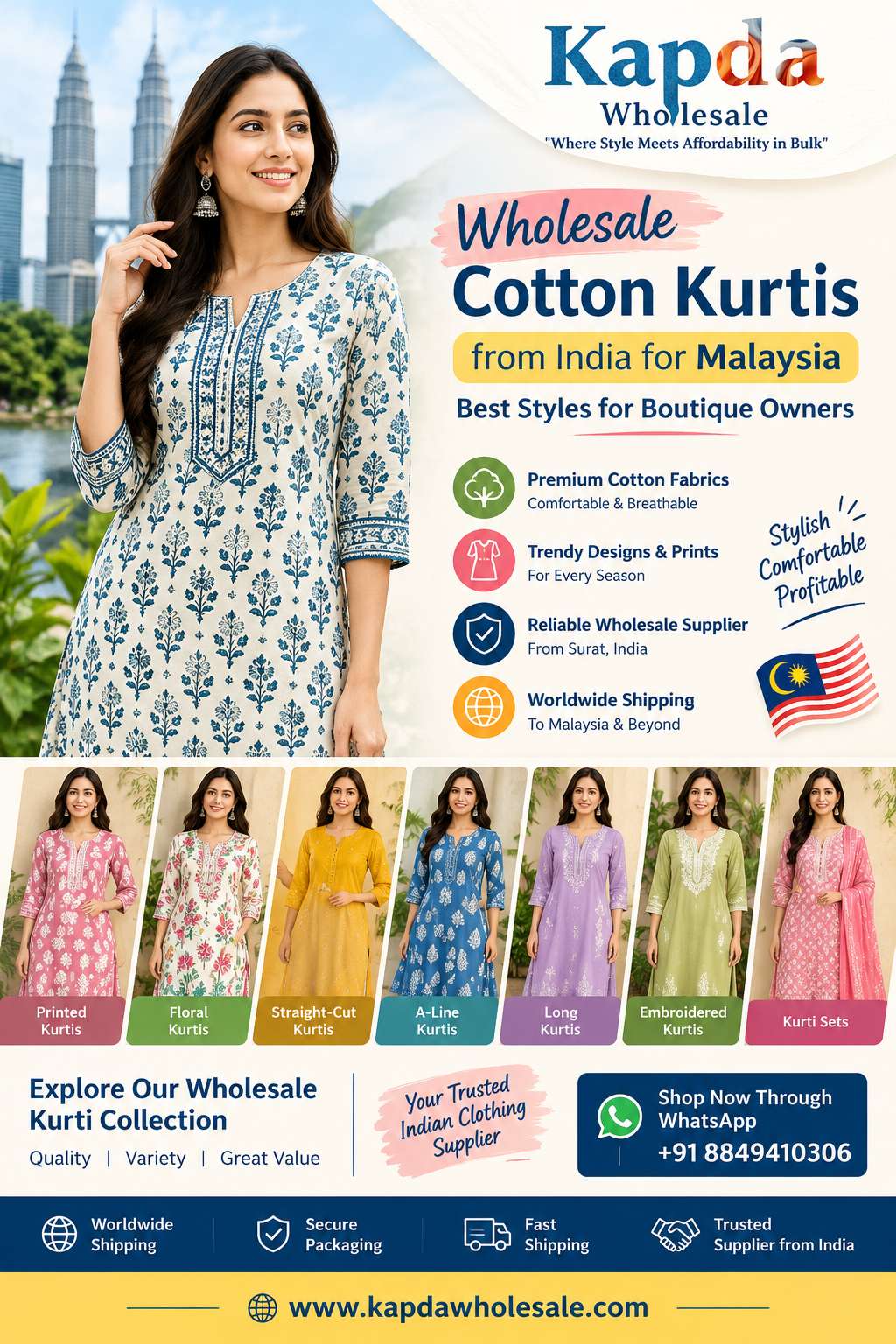
Wholesale Cotton Kurtis from India for Malaysia: Best Styles for Boutique Owners
Malaysian boutique owners and clothing retailers looking to expand their women's fashion collections can explore wholesale cotton kurtis from India. With a wide variety of prints, silhouettes, colours and designs, Indian kurtis offer retailers different options for everyday wear, casual fashion and boutique collections.
For Malaysian businesses, sourcing directly from an Indian wholesale clothing supplier can provide access to diverse designs and a range of wholesale purchasing options. Surat, Gujarat, is an important textile and clothing sourcing hub, making it a useful destination for retailers exploring Indian ethnic wear.
KapdaWholesale.com helps wholesale buyers explore Indian clothing collections, including kurtis and other women's fashion products. This guide explains which cotton kurti styles Malaysian boutique owners can consider, how to select suitable stock and what to check before placing a wholesale order.
Why Malaysian Boutique Owners Should Consider Wholesale Cotton Kurtis from India
Cotton kurtis can be a useful category for boutiques serving customers who prefer comfortable, versatile clothing. In Malaysia's warm and humid climate, lightweight garments may appeal to shoppers, although comfort depends on fabric construction, fit and the specific design.
Here are several reasons retailers may consider adding Indian cotton kurtis to their collections:
- Everyday fashion: Simple and printed kurtis can suit casual outings and daily wear.
- Variety of designs: Floral, geometric, traditional and contemporary prints offer different merchandising options.
- Versatile styling: Kurtis can be paired with trousers, leggings, jeans or other suitable bottoms.
- Different price segments: Retailers can compare basic, mid-range and more detailed designs.
- Boutique-friendly collections: A mix of colours, prints and silhouettes can help create a varied display.
- Online resale opportunities: Product photographs and videos can help retailers showcase available designs on social media and online stores.
Before choosing stock, research your own customers' preferred colours, sizes, styles and spending budgets.
7 Best Cotton Kurti Styles for Malaysian Boutiques
1. Printed Cotton Kurtis
Printed cotton kurtis are worth considering for boutiques that want to offer versatile everyday fashion. Depending on the collection, prints may include florals, geometric patterns, traditional motifs and contemporary designs.
Why consider them?
- Suitable for casual and everyday collections.
- Provide variety without relying on heavy embellishments.
- Can be displayed in multiple colours and prints.
- Offer options for different customer preferences.
Retailers should check whether the prints are consistent, the fabric composition is accurately described and the colours match the supplier's product images.
Explore KapdaWholesale's wholesale kurti collections to review available designs and product details.
2. Floral Cotton Kurtis
Floral prints can bring colour and visual variety to a boutique's everyday clothing selection. Small floral patterns may suit customers who prefer understated designs, while larger prints can create a bolder look.
Consider offering a mix of light, medium and darker colour palettes rather than purchasing too many pieces in one pattern.
When comparing floral kurtis, check the print placement, fabric feel, garment length and stitching quality.
3. Straight-Cut Cotton Kurtis
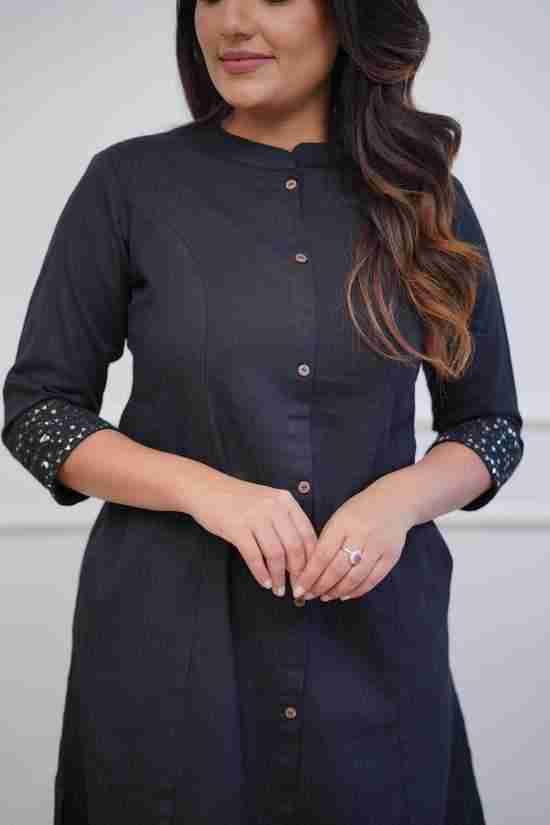
Straight-cut kurtis have a simple silhouette that can be styled with leggings, straight trousers, palazzos or jeans.
They may suit boutiques that want versatile pieces for casual wear, workwear-inspired outfits and everyday fashion.
Before ordering, compare the bust, shoulder, hip and garment-length measurements. A straight-cut design can fit differently depending on the fabric and manufacturer's pattern.
4. A-Line Cotton Kurtis
A-line kurtis generally have a more fitted upper section and a silhouette that widens towards the hem. They can add variety to a collection dominated by straight-cut designs.
Boutique owners can compare plain, printed and lightly embellished A-line styles according to their customers' preferences.
Check the garment's flare, lining requirements, fabric drape and available sizes before making a bulk purchase.
5. Long Cotton Kurtis
Long kurtis can be styled as standalone ethnic wear or paired with trousers, depending on the design and length.
They can help boutiques create a distinct section for customers who prefer longer silhouettes. Consider offering several lengths and sleeve styles where available.
Always check actual garment measurements rather than relying on product names such as “long kurti.”
6. Embroidered Cotton Kurtis
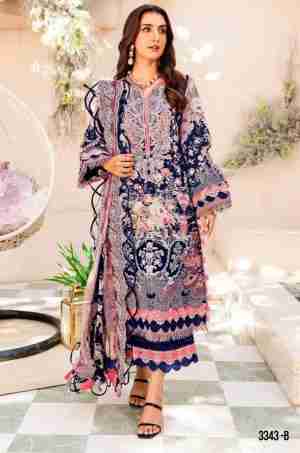
Embroidered cotton kurtis can add a more detailed look to a boutique's collection. Depending on the design, embroidery may appear around the neckline, sleeves, yoke or hem.
These styles can complement basic cotton kurtis and printed designs.
Before purchasing, inspect the embroidery finishing, thread security, fabric quality and wash-care instructions. Compare the wholesale cost against the realistic selling price for your target customers.
7. Cotton Kurti Sets
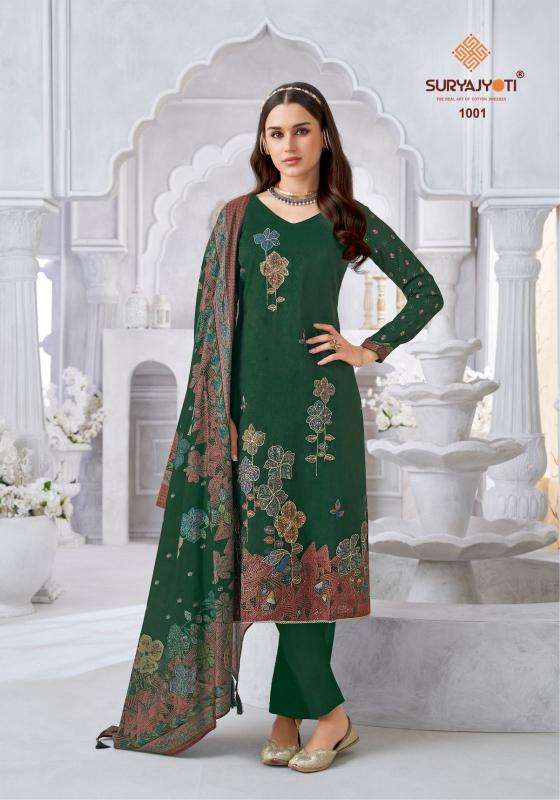
Coordinated kurti sets can offer customers a complete outfit rather than a single garment. Depending on the product, a set may include a kurti with matching trousers and sometimes a dupatta.
Boutique owners should confirm exactly which pieces are included, the fabric used for each component, the available sizes and whether the set is sold as a complete unit.
For related clothing categories, explore KapdaWholesale's website to review its available wholesale collections.
Which Cotton Fabrics Should Malaysian Retailers Choose?
The word “cotton” does not automatically mean that two garments will have the same comfort or quality. Fabric weight, weave, finishing, lining and construction all influence how a kurti feels and performs.
When reviewing wholesale options, consider the following:
| Fabric or finish | What retailers should check |
|---|---|
| Lightweight cotton | Breathability, opacity and durability |
| Printed cotton | Print quality, colour consistency and wash care |
| Cotton blends | Exact fibre composition and fabric feel |
| Embroidered cotton | Stitching, embroidery backing and finishing |
| Heavier cotton | Weight, drape and suitability for the intended use |
Ask the supplier for the actual fabric composition and care instructions. If possible, request a sample or begin with a manageable test order before investing heavily in one collection.
How to Choose the Right Cotton Kurti Sizes
Choosing the right size range is important when sourcing wholesale kurtis for Malaysia.
Do not assume that an Indian size label will match the measurements expected by your local customers. Compare the supplier's size chart with your sales experience and customer requirements.
Check:
- Bust and waist measurements.
- Shoulder width and sleeve length.
- Hip measurements where relevant.
- Garment length.
- Available sizes, including larger sizes if offered.
- Whether the supplier sells individual sizes or fixed size sets.
For online retailers, publishing accurate measurements can also help customers choose suitable garments and reduce avoidable size-related returns.
How Malaysian Boutique Owners Can Buy Wholesale Cotton Kurtis from India
Use this practical process when evaluating an Indian wholesale supplier.
Step 1: Define Your Target Customer
Decide whether your boutique mainly serves everyday clothing shoppers, working women, younger fashion customers or buyers looking for traditional ethnic wear.
This helps you select styles that fit your business rather than buying products solely because they look attractive in photographs.
Step 2: Compare Available Designs
Review several collections before choosing your first order. Compare printed, straight-cut, A-line, embroidered and coordinated styles.
You can begin by exploring wholesale kurtis from Surat.
Step 3: Verify Product Quality
Ask for current product photographs, videos, fabric details, measurements and close-up views of stitching. Confirm whether the images show the actual available stock.
For more guidance, read How to Find Export-Quality Indian Clothing for Malaysian Retailers.
Step 4: Confirm Wholesale Prices and MOQ
Ask the supplier for the current wholesale price, minimum order quantity (MOQ), available sizes and design-wise stock availability.
Do not assume every collection has the same MOQ or pricing. Confirm the terms for the specific products you intend to purchase.
Step 5: Calculate the Total Landed Cost
Your product cost is only one part of the final expense. For shipments to Malaysia, consider applicable freight charges, insurance if used, import duties, taxes, customs-related fees and other handling costs.
Calculate the total landed cost per garment before setting your retail price.
For additional planning advice, see Wholesale Clothing Buying Guide: Get Better Prices and Higher Margins.
Step 6: Confirm Shipping and Import Requirements
Ask the supplier about available shipping methods, dispatch arrangements, estimated transit times and export documentation.
Verify the Malaysian import requirements applicable to your products and shipment with your freight forwarder or customs adviser before placing the order.
For a broader overview, read How to Buy Wholesale Clothing from India to Malaysia.
Step 7: Start with a Manageable Order
If you are a new buyer, consider testing a selection of designs before increasing your purchasing volume. Track which styles sell, which sizes customers request and which products generate repeat orders.
This helps you make future buying decisions based on actual customer response.
How to Calculate the Cost of Wholesale Cotton Kurtis
Malaysian retailers should compare suppliers using total landed cost rather than the quoted garment price alone.
A simple calculation is:
Total landed cost per piece = Total product and import-related costs ÷ Number of saleable garments received
Include the product purchase price, shipping, insurance where applicable, duties, taxes and other relevant charges. Account for damaged or unsaleable goods when estimating your true cost.
Next, set a selling price that covers your costs and leaves a reasonable margin.
For example, if a garment's final landed cost is RM30 and you sell it for RM50, your gross profit is RM20 before other business expenses. Your gross margin is 40% of the selling price.
This is an illustration, not a quotation or a guarantee of profit. Actual costs and selling prices depend on the order and your business.
Why Explore KapdaWholesale.com?
KapdaWholesale is a Surat-based wholesale clothing business offering collections for retailers, boutiques and resellers.
Malaysian buyers can use the website to explore Indian clothing categories and enquire about available products before deciding whether a collection suits their business.
You can explore:
- Wholesale kurti collection
- KapdaWholesale homepage and product categories
- Wholesale kurtis from India: Best Styles for International Retailers
- Wholesale kurtis from Surat: A Complete Guide for International Buyers
- How to Start a Wholesale Clothing Business with an Indian Supplier
Before ordering, confirm current stock, product specifications, wholesale rates, MOQ, payment terms and shipping arrangements directly with the supplier.
Frequently Asked Questions
1. Where can Malaysian boutique owners buy wholesale cotton kurtis from India?
Malaysian boutique owners can explore Indian wholesale clothing websites and suppliers based in textile centres such as Surat. Review product details, verify supplier terms and confirm international shipping availability before ordering.
2. Which cotton kurti styles are suitable for Malaysian boutiques?
Printed, floral, straight-cut, A-line, long and embroidered cotton kurtis are options to consider. The right assortment depends on your target customers, preferred price range and local sales data.
3. Are cotton kurtis suitable for Malaysia's climate?
Lightweight cotton garments may be suitable for warm and humid conditions. However, comfort also depends on fabric construction, thickness, fit and lining, so check the actual product specifications.
4. What is the minimum order quantity for wholesale cotton kurtis?
MOQ varies by supplier and collection. Contact the supplier to confirm the minimum quantity, size assortment and whether mixed designs are permitted.
5. How can I check cotton kurti quality before buying in bulk?
Request actual product images or videos, fabric composition, measurements, stitching details and wash-care instructions. Where possible, inspect a sample or test a smaller order before placing a larger purchase.
6. Can I order wholesale kurtis online without visiting Surat?
Some Surat wholesalers accept online enquiries and orders. Confirm the supplier's ordering process, payment arrangements, stock availability and shipping terms before purchasing.
7. What additional costs should Malaysian buyers consider?
Depending on the shipment, additional expenses may include freight, insurance, import duties, taxes, customs handling and local delivery. Confirm the applicable charges before calculating your final landed cost.
8. Can I resell Indian cotton kurtis through an online boutique in Malaysia?
Yes, subject to applicable business and import requirements. Retailers should use accurate product descriptions, clear size charts, appropriate product images and transparent delivery and return policies.
9. How do I contact KapdaWholesale about wholesale kurtis?
Visit WWW.KAPDAWHOLESALE.COM to explore available collections and use the contact options provided on the website to ask about current wholesale availability and ordering terms.
Final Thoughts
Wholesale cotton kurtis from India can give Malaysian boutique owners access to a wide variety of prints, silhouettes and styles. The key is to select products based on customer preferences, verify quality, compare total landed costs and confirm shipping requirements before ordering.
Whether you are building a new boutique collection or expanding an existing clothing business, research your market and begin with products that fit your customers' needs.
Explore Indian wholesale clothing at WWW.KAPDAWHOLESALE.COM and enquire about available kurti collections for your Malaysian retail business.
CONTACT- 8849410306