


How to Buy Wholesale Clothing from India to Malaysia: Complete Guide for Boutique Owners
Malaysia has a growing market for fashionable ethnic wear, Indian clothing, modest fashion, sarees, kurtis, dress materials and other women’s apparel. For Malaysian boutique owners, sourcing wholesale clothing directly from India can provide access to a wide variety of designs and collections.
India is particularly well known for its textile and garment manufacturing, with Surat being one of the major textile and wholesale clothing hubs.
If you are a Malaysian boutique owner looking to buy wholesale clothing from India to Malaysia, this guide explains how to choose products, find a supplier, place an order, manage shipping and plan your costs.
Why Buy Wholesale Clothing from India?
Indian wholesale clothing offers Malaysian retailers access to many categories, including:
- Wholesale Kurtis
- Sarees
- Dress Materials
- Cotton Sarees
- Ethnic Wear
- Tops and Tunics
- Co-ord Sets
- Printed Kurtis
- Pakistani-style Dress Materials
- Ready-made Garments
Buying directly from an Indian wholesale supplier can also make it easier for boutiques to regularly refresh their collections.
For more information about sourcing Indian fashion, explore KapdaWholesale.com.
Step 1: Decide What Clothing You Want to Import
Before contacting an Indian supplier, determine what products are suitable for your Malaysian customers.
For example, a boutique may focus on:
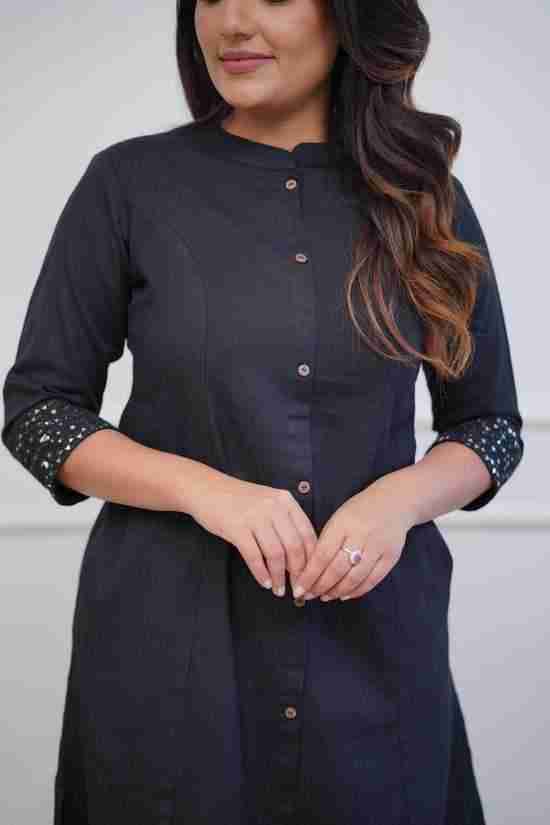
Kurtis
Kurtis are versatile products that can be sold as casual, festive or ethnic fashion. Consider different fabrics, prints, lengths, embroidery and size ranges.
Explore wholesale kurtis from India and discuss current collections with your supplier.
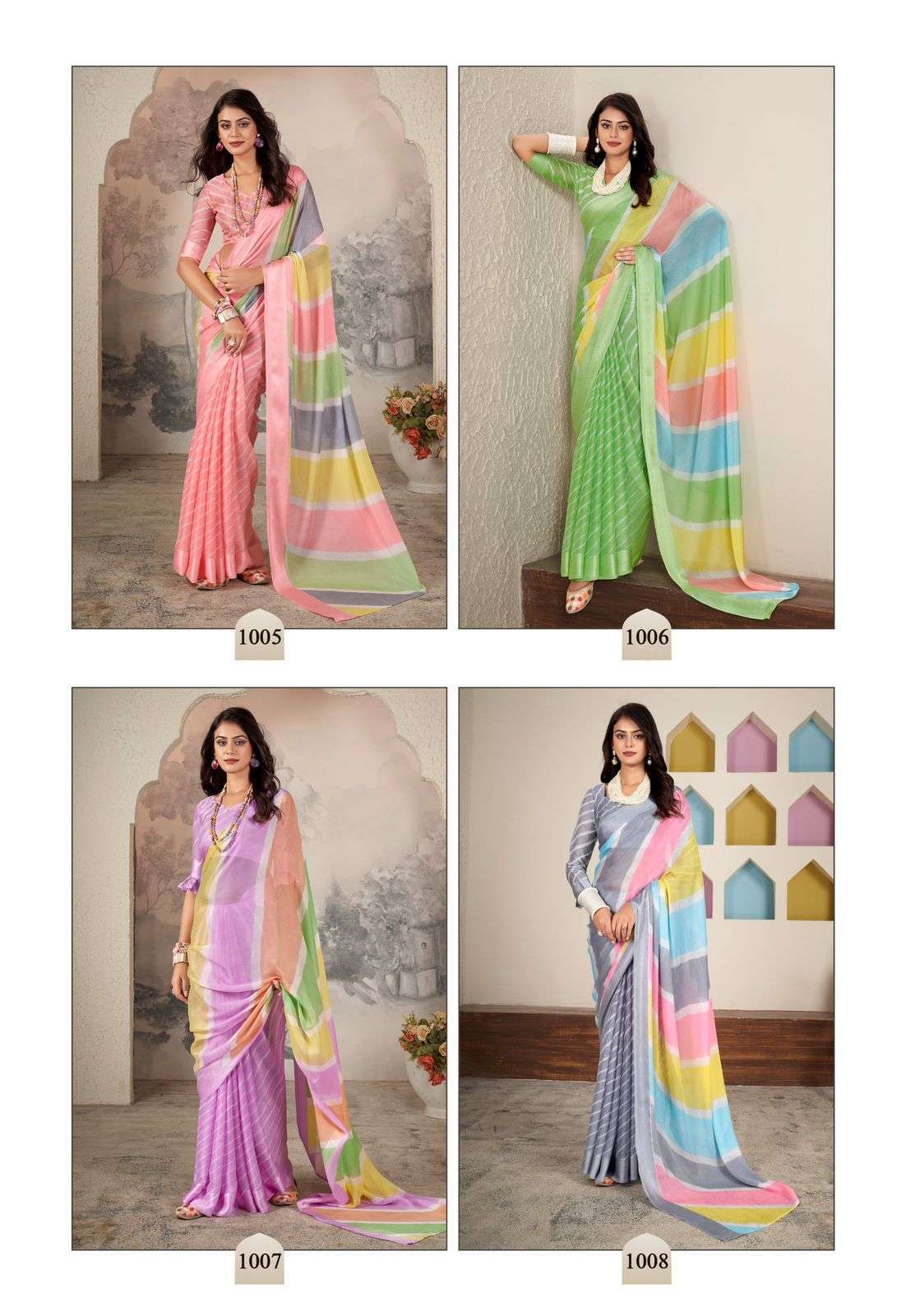
Sarees
Sarees can be suitable for customers looking for Indian ethnic fashion, festive collections and special-occasion clothing.
You can consider cotton sarees, printed sarees, designer-style sarees and other commercially suitable collections.
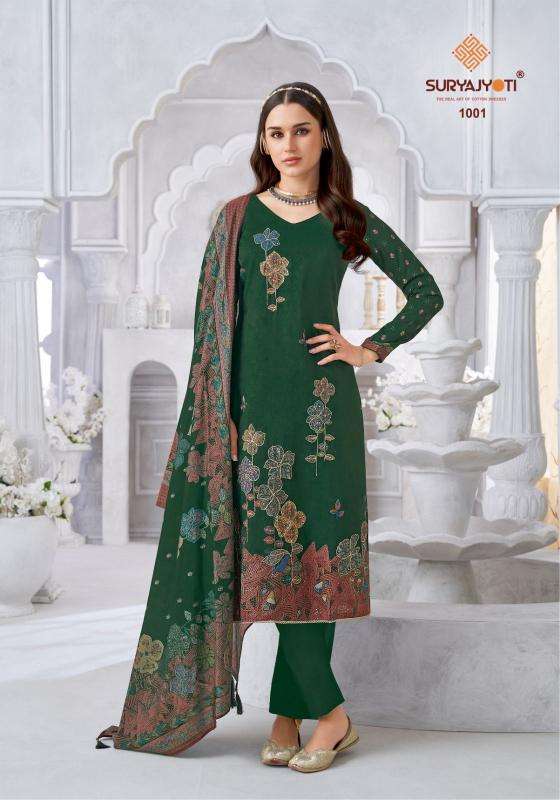
Dress Materials
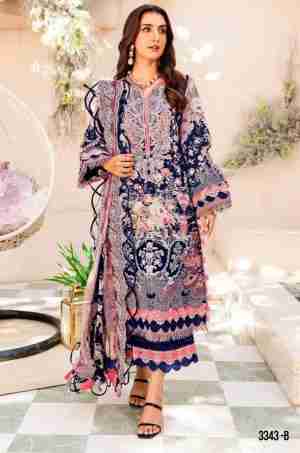
Wholesale dress materials provide customers with options for creating customized outfits. Printed, cotton and festive dress materials can be considered depending on your boutique's customer base.
Tops, Tunics and Co-ord Sets
For boutiques targeting contemporary fashion customers, tops, tunics and co-ord sets can complement traditional Indian collections.
Step 2: Find a Reliable Indian Wholesale Clothing Supplier
Choosing the right supplier is one of the most important steps.
Before placing a large order, check:
- Product quality
- Fabric information
- Available sizes
- Wholesale pricing
- Minimum order requirements
- Packaging
- Shipping options
- Communication
- Product photos and videos
- Order processing time
- Documentation provided for international shipments
A supplier that communicates clearly and provides accurate product information can make international purchasing easier.
Step 3: Consider Buying Directly from Surat
Surat, Gujarat, is one of India's major textile and clothing manufacturing and trading centers.
Malaysian boutique owners can source a wide variety of women's clothing from Surat, including sarees, kurtis, dress materials and other ready-made garments.
Instead of visiting India for every purchase, international buyers can communicate with suppliers online and request product images, videos, prices and available stock.
For Malaysian buyers interested in sourcing from Surat, visit KapdaWholesale.com.
Step 4: Ask for Product Photos and Videos
Before ordering, ask your supplier for clear product information.
Useful information includes:
- Front and back product photos
- Close-up fabric photos
- Product videos
- Fabric type
- Available colors
- Available sizes
- Product weight
- Packing details
- Wholesale price
- Quantity available
Videos can be particularly useful when purchasing clothing remotely because they can help you understand the appearance and movement of the fabric.
Step 5: Compare Wholesale Prices
Do not compare suppliers only on the basic product price.
Your actual landed cost may include:
Product Cost + Packing + Shipping + Import Duties/Taxes + Customs/Clearance Costs + Other Applicable Charges = Landed Cost
For this reason, ask the supplier or logistics provider for a clear quotation before confirming a large order.
Your Malaysian selling price should be planned around the expected landed cost rather than the Indian wholesale price alone.
Step 6: Understand MOQ Before Ordering
MOQ means Minimum Order Quantity.
Different suppliers may have different MOQ requirements.
Some suppliers may allow buyers to select several designs in smaller quantities, while others may require larger quantities per design.
Before ordering, ask:
- What is the minimum order?
- Can I mix designs?
- Can I mix colors?
- Can I mix sizes?
- Is there a minimum quantity per product?
- Are sample orders available?
Understanding MOQ helps boutique owners avoid ordering more inventory than they can realistically sell.
Step 7: Confirm the Order Details
Before making payment, prepare a detailed order list.
Your order sheet should include:
| Detail | What to Confirm |
|---|---|
| Product | Kurti, saree, dress material, etc. |
| Design | Product/catalog reference |
| Color | Required colors |
| Size | Available size range |
| Quantity | Number of pieces |
| Price | Agreed wholesale price |
| Packing | Individual/bulk packing |
| Shipping | Courier, air or sea freight |
| Documentation | Commercial invoice and other required documents |
A written order confirmation can reduce misunderstandings.
Step 8: Choose the Right Shipping Method
The shipping method depends on your order size, urgency and budget.
Air Shipping
Air freight or courier services can be useful for smaller or time-sensitive shipments.
Advantages may include:
- Faster delivery
- Suitable for smaller orders
- Easier replenishment for fast-selling products
Sea Freight
For larger commercial shipments, sea freight can be considered.
It may be more suitable when the shipment volume is large and delivery time is less critical.
Discuss shipping options with your supplier or freight forwarder before placing the order.
Step 9: Understand Malaysian Import Duties and Taxes
Malaysian boutique owners should check the applicable customs requirements before importing commercial clothing.
The exact treatment depends on the product classification, HS code, origin and applicable Malaysian customs rules.
Malaysia's Royal Malaysian Customs Department provides an HS Explorer for checking tariff information.
Malaysia also applies sales tax to taxable imported goods, subject to the applicable rules and exemptions. The official MySST website explains that sales tax is a single-stage tax that can apply to taxable goods imported into Malaysia.
Therefore, do not assume that every type of clothing will have the same import cost. Check the correct HS classification and current Malaysian requirements before importing.
Step 10: Check Import Restrictions and Requirements
Before shipping commercial clothing into Malaysia, buyers should check whether the products are subject to any import prohibition or restriction.
The Royal Malaysian Customs Department advises importers to check the Customs (Prohibition of Import) Order and comply with applicable requirements where restrictions apply.
Your customs agent or freight forwarder can also help with the import declaration and documentation process.
Step 11: Prepare the Required Documents
International clothing shipments may require documents such as:
- Commercial invoice
- Packing list
- Shipping document
- Product description
- HS code
- Country of origin information
- Import documentation
- Other documents required by Malaysian Customs or the logistics provider
The exact documentation can vary depending on the shipment and product.
Malaysia Customs explains that a Certificate of Origin is a document certifying the origin of goods, while preferential origin documents apply when the relevant trade-agreement requirements are met.
Always verify the requirements for your particular shipment.
Step 12: Order a Small Quantity Before a Large Purchase
If you are working with a new supplier, consider starting with a smaller commercial order where practical.
This allows you to evaluate:
- Fabric quality
- Stitching
- Colors
- Sizing
- Packaging
- Product consistency
- Delivery experience
- Customer response
Once you understand the supplier's products and service, you can plan larger purchases.
Step 13: Calculate Your Landed Cost
One of the biggest mistakes new boutique owners make is calculating profit using only the supplier's wholesale price.
For example:
Indian Wholesale Price
- International Shipping
- Insurance, if applicable
- Customs/Duties, if applicable
- Applicable Malaysian Taxes
- Customs Clearance/Handling
- Local Delivery
= Estimated Landed Cost
Then calculate your retail price based on your business expenses and desired margin.
Step 14: Choose Products Suitable for Your Customers
Do not import clothing simply because it is popular in India.
Study your Malaysian customers.
Consider:
- Preferred colors
- Size requirements
- Fabric preferences
- Price range
- Festive demand
- Casual fashion demand
- Ethnic fashion demand
- Local competition
A smaller selection of products that match your customers can be more useful than purchasing a large quantity of unrelated designs.
Why Malaysian Boutique Owners Can Source from KapdaWholesale.com
KapdaWholesale.com is positioned as a wholesale clothing supplier from Surat, India, offering clothing categories for retailers and boutique buyers.
Malaysian buyers can explore wholesale clothing collections and contact the supplier to discuss:
- Available designs
- Wholesale pricing
- Product quantities
- Stock availability
- Packaging
- International shipping
- Order requirements
Visit KapdaWholesale.com to explore available wholesale clothing collections.
Tips for Malaysian Boutique Owners Buying from India
Keep these points in mind:
- Compare the total landed cost, not just the product price.
- Confirm product quality before placing a large order.
- Ask about MOQ before selecting designs.
- Request current stock information.
- Confirm shipping terms.
- Keep product invoices and shipment documents.
- Check the correct HS code.
- Verify current Malaysian import requirements.
- Start with products that match your customers.
- Maintain regular communication with your supplier.
Frequently Asked Questions
1. Can Malaysian boutique owners buy wholesale clothing directly from India?
Yes. Malaysian retailers and boutique owners can purchase commercial clothing from Indian suppliers and arrange international shipping, subject to applicable Malaysian import requirements.
2. What clothing can I buy wholesale from India?
Popular categories include kurtis, sarees, dress materials, ethnic wear, tops, tunics, co-ord sets and other women's apparel.
3. Can I buy wholesale clothing from Surat without visiting India?
Yes. International buyers can communicate with suppliers online, review product photos and videos, confirm orders and arrange international shipping.
4. What is MOQ in wholesale clothing?
MOQ means Minimum Order Quantity. It is the minimum quantity a supplier requires for an order or particular product.
5. How should I calculate my clothing import cost?
Calculate the product cost together with shipping, applicable duties/taxes, customs clearance, handling and local delivery to estimate your landed cost.
6. Do I need to check Malaysian Customs requirements?
Yes. Commercial importers should check applicable customs, tariff, tax and import-restriction requirements before placing an order. Malaysia Customs provides official tools and guidance for this purpose.
7. Is Surat a good sourcing location for Indian clothing?
Surat is a major Indian textile and clothing center, making it an important sourcing location for buyers looking for products such as sarees, dress materials and other women's clothing.
Conclusion
Buying wholesale clothing from India to Malaysia can be an effective sourcing option for boutique owners who want access to Indian fashion and a broad range of wholesale clothing.
The key is to follow a structured process: select the right products, find a reliable supplier, confirm quality and MOQ, calculate landed costs, choose suitable shipping, prepare documentation and verify Malaysian import requirements.
For Malaysian boutique owners looking to explore Indian wholesale clothing from Surat, visit KapdaWholesale.com and contact the team to discuss available collections and wholesale orders.