




Wholesale Clothing Buying Guide: How to Get Better Prices and Higher Margins
Introduction
Buying wholesale clothing at the right price is one of the most important factors in building a profitable fashion business.
Whether you operate a retail clothing shop, boutique, online store, reseller business, or wholesale business, the price you pay for inventory directly affects your potential profit margin.
However, getting the lowest wholesale price should not be your only goal. A very cheap product with poor quality, slow sales, high shipping costs, or inconsistent supply can reduce your overall profitability.
The smarter approach is to focus on total cost, product quality, demand, inventory turnover, supplier reliability, and selling price.
If you are looking for wholesale clothing from India, Surat is an important sourcing destination for products such as sarees, kurtis, dress materials and ethnic wear. KapdaWholesale.com provides wholesale clothing collections for retailers, boutiques, resellers and international buyers.
In this guide, you'll learn how to buy wholesale clothing at better prices while creating healthier profit margins.
1. Understand Your Target Market Before Buying
One of the biggest mistakes wholesale buyers make is purchasing products simply because they look attractive.
Before placing an order, understand what your customers actually want.
Consider:
- Customer age group
- Preferred clothing styles
- Local fashion trends
- Average customer budget
- Seasonal demand
- Popular colors
- Popular fabrics
- Size requirements
- Occasion-based demand
For example, a boutique serving customers looking for everyday ethnic fashion may need more cotton kurtis and affordable dress materials, while a festive-wear boutique may focus more on designer sarees and premium ethnic collections.
The right product at the right price is usually more profitable than simply buying the cheapest product.
2. Compare Wholesale Prices Before Ordering
Never assume that the first supplier offering a wholesale price is giving you the best deal.
Compare suppliers based on:
- Product price
- Fabric quality
- Stitching and finishing
- Minimum order quantity
- Packaging
- Shipping cost
- Payment terms
- Replacement policies
- Stock availability
- Supplier communication
A supplier offering a slightly higher product price may actually provide a lower total landed cost if the quality is better and shipping is more efficient.
For more guidance, read our detailed guide on How to Choose the Right Wholesale Clothing Supplier in India.
3. Buy Directly from a Reliable Wholesale Supplier
Reducing unnecessary intermediaries can help retailers improve their buying economics.
When sourcing directly from an established wholesale supplier, buyers may benefit from:
- Competitive wholesale pricing
- Larger product selection
- New collections
- Better communication
- Bulk-order opportunities
- More consistent sourcing
Surat is particularly important for Indian textile and fashion sourcing, with a large ecosystem of textile and garment businesses.
KapdaWholesale operates from Surat and offers wholesale fashion products for business buyers.
Explore our Wholesale Clothing Collection to discover products for your retail or resale business.
4. Focus on Fast-Moving Products
A low purchase price does not automatically mean high profitability.
Suppose you purchase a product for ₹300 and sell it for ₹500. Your gross difference is ₹200.
But if that product takes several months to sell, your money remains locked in inventory.
Another product may cost ₹350 and sell for ₹650 within a much shorter period.
The second product may generate better overall business results.
Therefore, consider:
Profit per product + Sales speed + Repeat demand = Better inventory profitability
Track which products sell quickly and gradually increase purchases of proven winners.
5. Build a Balanced Wholesale Clothing Inventory
Avoid spending your entire purchasing budget on one product category.
Instead, create a balanced inventory.
For example:
Everyday Collection
- Cotton kurtis
- Basic ethnic wear
- Printed dress materials
- Affordable sarees
Fashion Collection
- Designer kurtis
- Trendy sarees
- Co-ord sets
- Fashionable tops and tunics
Premium Collection
- Party-wear sarees
- Embroidered outfits
- Premium dress materials
- Festive ethnic wear
This strategy allows your business to serve customers across different budgets.
You can also explore our Wholesale Kurtis from India guide to understand how retailers can build a balanced Kurti collection.
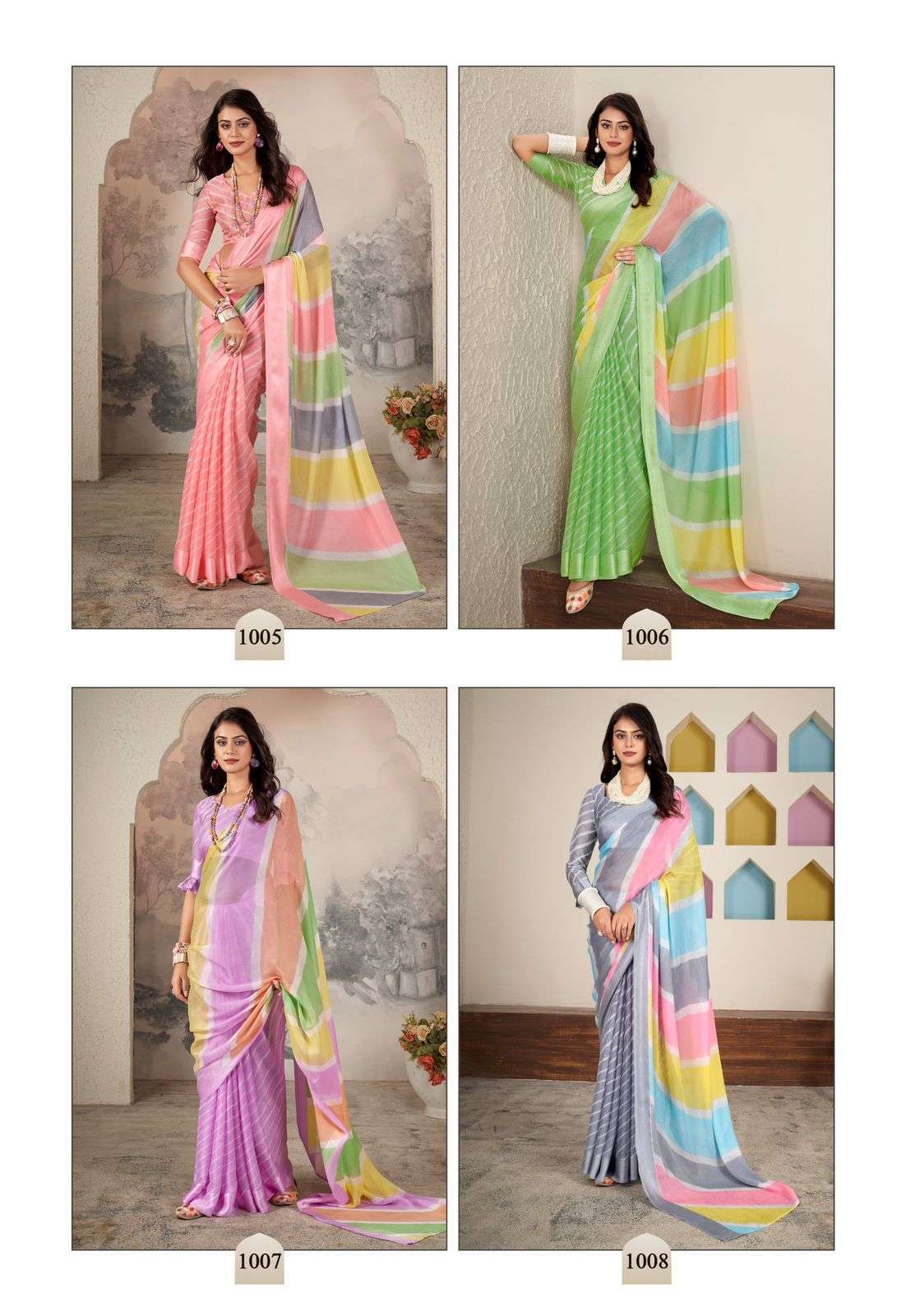
6. Buy Wholesale Sarees According to Customer Demand
Sarees remain an important category for retailers and boutiques.
Instead of purchasing large quantities of one design, consider buying a variety of:
- Cotton sarees
- Printed sarees
- Georgette sarees
- Organza sarees
- Designer sarees
- Festive sarees
- Party-wear sarees
- Daily-wear sarees
Different customers have different budgets and occasions.
A diverse collection can help you reach a wider customer base while reducing the risk of depending on a single style.
Read our Wholesale Saree Supplier Buying Guide for additional sourcing ideas.
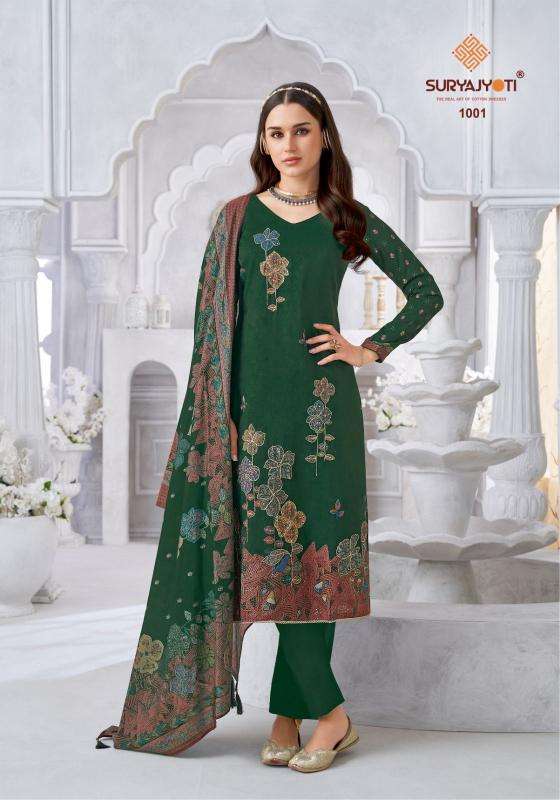
7. Consider Wholesale Dress Materials
Dress materials can be an excellent category for retailers because they provide flexibility in design, fabric and price range.
Consider stocking:
- Cotton dress materials
- Printed dress materials
- Designer materials
- Embroidered materials
- Georgette materials
- Chiffon materials
- Festive collections
- Premium ethnic materials
Instead of buying huge quantities of one design, test multiple styles and reorder the products that perform best.
See our guide: Wholesale Dress Materials: What Retailers Should Buy for Maximum Profit.
8. Negotiate Better Prices for Larger Orders
Wholesale suppliers often work with different quantities and pricing levels.
If you regularly purchase from the same supplier, ask about:
- Bulk pricing
- Quantity discounts
- Repeat-order pricing
- Combined-category orders
- New collection offers
- Shipping efficiencies
However, do not order excessive quantities simply to receive a small discount.
The discount only matters if the products actually sell.
Smart rule:
Buy more of products that have already demonstrated demand.
9. Calculate Your Total Landed Cost
One of the most important steps in wholesale buying is calculating your actual cost.
Your purchase price is only one part of the calculation.
Basic Landed Cost Formula
Product Cost + Packaging + Shipping + Customs/Duties + Taxes + Other Import Costs = Total Landed Cost
For domestic buyers, the calculation may be simpler.
For international buyers, shipping, customs duties, taxes and local import charges can significantly affect the final cost.
This is why comparing only the supplier's product price can sometimes give you an inaccurate picture of profitability.
For international sourcing guidance, read How to Import Wholesale Clothing from India.
10. Don't Sacrifice Quality for a Lower Price
A common mistake among new retailers is choosing the cheapest supplier.
Low-quality clothing can lead to:
- Customer complaints
- Returns
- Negative reviews
- Slow sales
- Discounting
- Damaged reputation
- Reduced repeat purchases
Before placing a large order, evaluate:
- Fabric
- Stitching
- Printing
- Embroidery
- Color consistency
- Measurements
- Finishing
- Packaging
The goal is not simply to purchase cheaply.
The goal is to purchase good products at competitive wholesale prices that customers are willing to buy at profitable retail prices.
11. Start with a Test Order
If you are working with a new supplier, consider starting with a smaller order whenever the supplier's ordering terms allow it.
Use the test order to evaluate:
- Product quality
- Fabric
- Color accuracy
- Stitching
- Sizing
- Packaging
- Delivery
- Customer response
Once you identify your best-performing products, increase your purchasing volume.
This approach can reduce inventory risk.
12. Track Your Best-Selling Products
Successful wholesale buying should become a data-driven process.
Maintain a simple record of:
| Metric | What to Track |
|---|---|
| Purchase price | Cost per product |
| Selling price | Retail selling price |
| Gross profit | Selling price minus product cost |
| Sales speed | How quickly stock sells |
| Returns | Number of returned products |
| Customer demand | Repeat requests |
| Stock turnover | How quickly inventory moves |
After several buying cycles, you will know which products deserve more purchasing budget.
13. Use Seasonal Buying Strategies
Fashion demand changes throughout the year.
Plan your wholesale purchases around:
- Festivals
- Wedding seasons
- Summer
- Winter
- Holiday periods
- Local celebrations
- School or college seasons
- Regional fashion trends
For example, festive periods may create stronger demand for premium ethnic wear, while warmer seasons can increase demand for lightweight fabrics and cotton collections.
Buying before demand peaks can help you prepare inventory, but avoid overstocking products based only on assumptions.
14. Don't Ignore Shipping Costs
For international buyers especially, shipping can significantly influence profitability.
Before placing an order, understand:
- Shipping method
- Estimated delivery time
- Shipping charges
- Packaging
- Tracking
- Customs requirements
- Import taxes or duties
- Destination-country requirements
A supplier with a slightly higher product price but efficient shipping may sometimes provide a better overall deal.
KapdaWholesale serves buyers looking for Indian wholesale clothing and international sourcing options.
15. Buy Multiple Categories from One Supplier
Another way to simplify wholesale purchasing is to source multiple categories from a reliable supplier.
For example, a boutique might purchase:
- Kurtis
- Sarees
- Dress materials
- Tops
- Tunics
- Co-ord sets
- Ethnic wear
Buying multiple categories from one supplier can simplify communication, product selection and order management.
It can also help you create a more complete store collection.
16. Buy Online Without Visiting Surat
Many international buyers assume that they must physically visit India to source wholesale clothing.
That is no longer always necessary.
Online wholesale platforms allow buyers to:
- Browse collections
- Compare products
- Contact suppliers
- Check product details
- Place orders
- Arrange shipping
- Manage repeat purchases remotely
Read our guide on How to Buy Wholesale Clothing Online Without Visiting Surat to learn more.
17. Improve Margins by Improving Your Selling Strategy
Buying at a good wholesale price is only half of the equation.
You also need to sell effectively.
Use:
- Instagram Reels
- YouTube
- Your own website
- Boutique displays
- Product photography
- Customer reviews
- Limited-time offers
High-quality product photos and videos can make your products more attractive to potential customers.
For online sellers, demonstrate:
- Fabric texture
- Product details
- Full outfit
- Available colors
- Size information
- Styling ideas
Better presentation can help customers understand the value of the product.
18. Choose a Supplier for Long-Term Business
The best wholesale supplier is not necessarily the one offering the lowest price today.
Look for a supplier that can consistently provide:
- Competitive pricing
- Good product quality
- New collections
- Reliable communication
- Accurate product information
- Secure packaging
- Consistent availability
- Dependable shipping
Long-term supplier relationships can make your purchasing process easier as your business grows.
For more information, read How to Find Reliable Clothing Wholesalers in India.
How to Increase Your Wholesale Clothing Profit Margin
Here is a simple strategy retailers can follow:
Step 1: Research Your Customers
Identify what your customers actually want.
Step 2: Find Reliable Suppliers
Compare price, quality, variety and service.
Step 3: Start with Tested Products
Avoid putting too much money into untested designs.
Step 4: Calculate Landed Cost
Include shipping, taxes and other expenses.
Step 5: Focus on Fast-Moving Products
Reorder products that sell quickly.
Step 6: Negotiate Bulk Pricing
Ask about quantity and repeat-order discounts.
Step 7: Reduce Slow Inventory
Use promotions to move products that are not selling.
Step 8: Track Profitability
Measure both profit per piece and inventory turnover.
Step 9: Reinvest in Winners
Put more purchasing budget into products with proven demand.
Why Choose KapdaWholesale for Wholesale Clothing?
KapdaWholesale is a Surat-based wholesale clothing platform serving retailers, boutiques, resellers and other B2B buyers.
The product range includes categories such as:
- Wholesale Kurtis
- Wholesale Sarees
- Dress Materials
- Ethnic Wear
- Tops
- Tunics
- Co-Ord Sets
- Women's Fashion
For buyers looking for Indian wholesale clothing, sourcing from Surat can provide access to a broad range of fashion products and competitive wholesale pricing.
Explore KapdaWholesale.com to find products suitable for your clothing business.
Final Thoughts
Getting better wholesale clothing prices is not simply about finding the cheapest supplier.
The most profitable buying strategy combines:
Competitive Pricing + Quality + Product Demand + Smart Quantities + Low Landed Cost + Fast Inventory Turnover
Retailers and boutique owners should focus on products that customers actually want, calculate their true costs, test new collections, monitor sales and build relationships with reliable suppliers.
Whether you are sourcing sarees, kurtis, dress materials, tops, tunics or ethnic wear, buying strategically can help you improve your margins and build a stronger clothing business.
If you are ready to explore Indian wholesale fashion, visit KapdaWholesale.com and discover the latest collections for retailers, boutiques and resellers.
Frequently Asked Questions
1. How can I get better prices when buying wholesale clothing?
Compare multiple suppliers, purchase proven fast-moving products, negotiate quantity pricing and calculate the total landed cost rather than focusing only on the product price.
2. Is buying wholesale clothing directly from India profitable?
It can be, depending on product selection, purchase price, shipping, import costs, retail pricing and customer demand. India offers a wide variety of clothing suitable for retailers and international buyers.
3. What is the best way to increase clothing profit margins?
Focus on competitive sourcing, quality products, fast inventory turnover, accurate pricing and products with strong customer demand.
4. Should I buy large quantities to get a lower price?
Not necessarily. Large orders can reduce the unit cost, but overstocking slow-moving products can hurt your cash flow. Start with quantities appropriate for your sales history and reorder successful products.
5. Which wholesale clothing products are good for retailers?
Popular categories can include kurtis, sarees, dress materials, ethnic wear, tops, tunics and co-ord sets. The best products depend on your target customers and local market.
6. How do I calculate my wholesale clothing profit?
A basic calculation is:
Selling Price − Total Cost = Gross Profit
Your total cost should include the product purchase price and applicable shipping, packaging, taxes, duties and other business expenses.
7. Why is Surat important for wholesale clothing?
Surat is a major Indian textile and fashion sourcing hub, particularly known for products such as sarees, dress materials, kurtis and other women's fashion.
8. Can I buy wholesale clothing from Surat without visiting India?
Yes. Online wholesale platforms can allow retailers and international buyers to browse collections, communicate with suppliers and arrange orders remotely.