


Best Wholesale Clothing Products to Buy from India in 2026: A Guide for Global Retailers
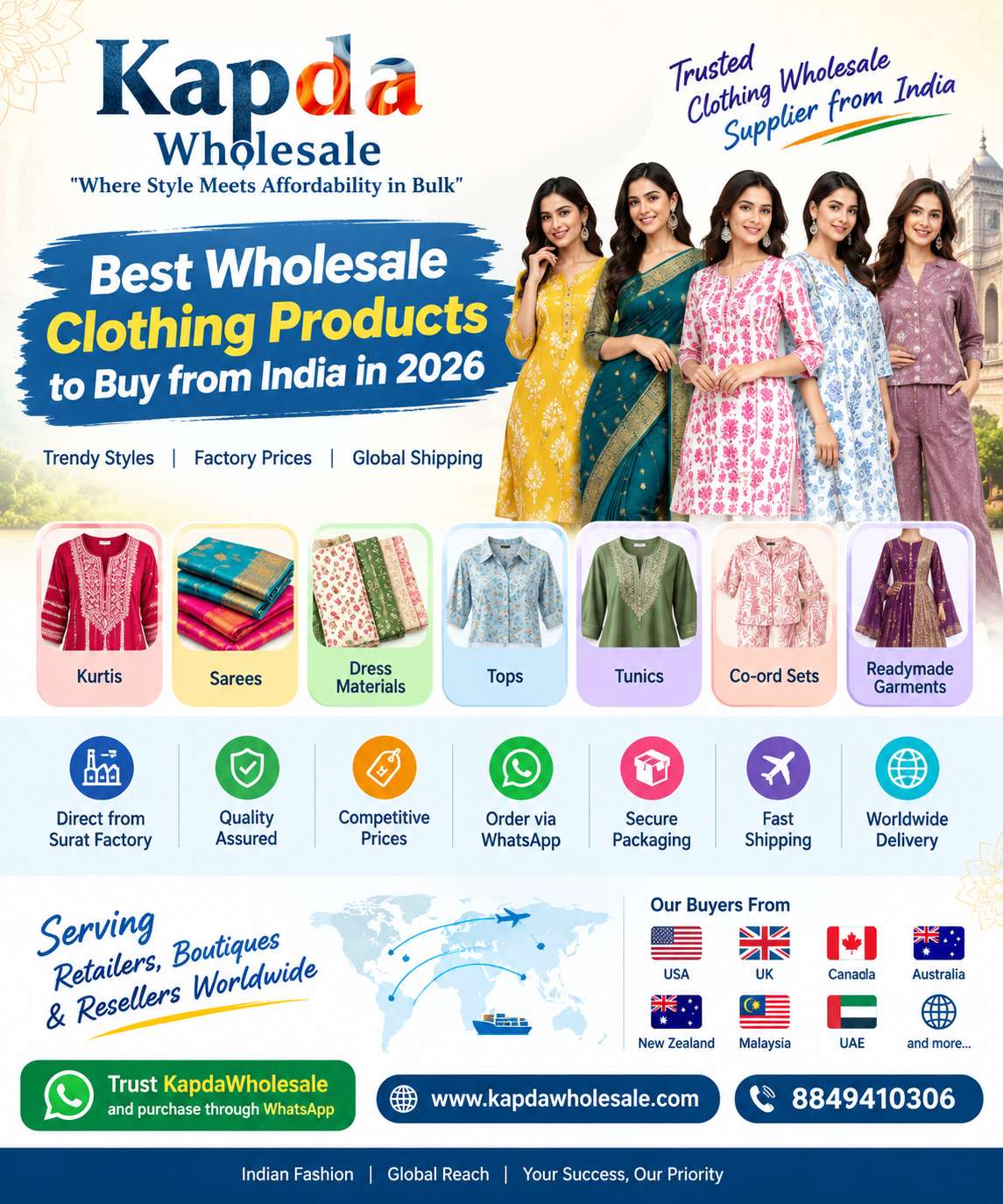
Are you a boutique owner, clothing retailer, reseller, or fashion entrepreneur looking for the best wholesale clothing products to buy from India in 2026? India offers a wide variety of fashionable garments, traditional ethnic wear, contemporary styles, and textile products suitable for different customer markets.
Surat, Gujarat, is particularly well known for its textile industry and women's fashion collections. Retailers can explore products such as wholesale sarees, kurtis, dress materials, tops, tunics, and other ethnic wear to build a collection that suits their customers.
KapdaWholesale.com is a Surat-based B2B wholesale clothing platform for retailers, resellers, boutiques, and international buyers looking to source Indian fashion.
In this guide, we will explain which wholesale clothing products retailers can consider in 2026, how to select the right inventory, what to check before placing an order, and how to start sourcing clothing from India.
1. Why Buy Wholesale Clothing from India in 2026?
India offers a diverse textile and apparel industry with traditional craftsmanship, different fabric options, and a wide range of clothing styles. These products can help retailers serve customers interested in everyday wear, festive fashion, ethnic clothing, and boutique collections.
Here are some reasons retailers consider Indian wholesale clothing:
- Product variety: Explore sarees, kurtis, dress materials, tops, tunics, and other garments.
- Different price segments: Compare products suitable for budget-conscious customers and premium boutiques.
- Fashion diversity: Choose traditional prints, contemporary patterns, embroidery, and modern silhouettes.
- Business sourcing opportunities: Purchase from wholesale suppliers instead of shopping at individual retail prices.
- Remote ordering options: Online catalogs and supplier communication can make sourcing easier for buyers who cannot visit India.
Explore our wholesale clothing and sourcing guides to understand the wholesale buying process.
2. Best Wholesale Clothing Products to Buy from India
Retailers should select products based on their customers, available investment, selling prices, and local demand. The following categories are worth evaluating for your 2026 collection.
A. Wholesale Kurtis
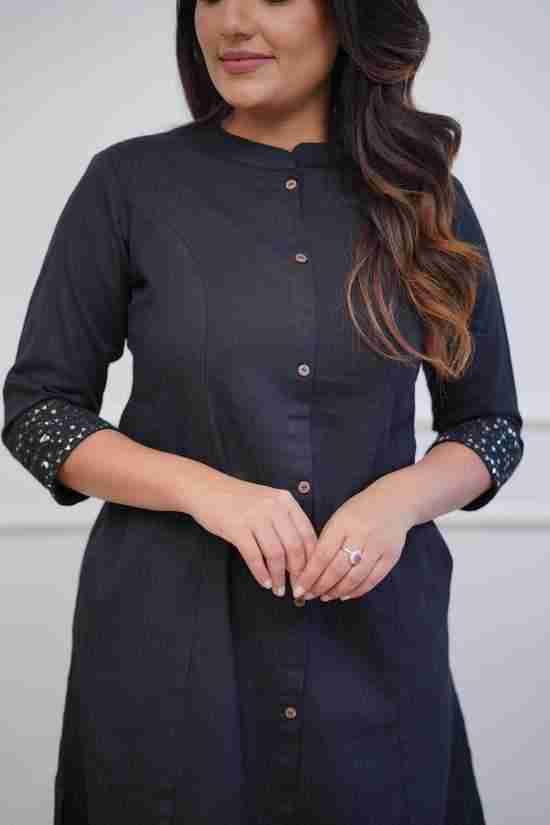
Kurtis are a versatile option for retailers serving customers who prefer Indian ethnic and fusion fashion. Depending on the collection, they can be suitable for everyday wear, office wear, casual outings, and festive occasions.
Popular styles to consider include:
- Cotton kurtis
- Printed kurtis
- Rayon kurtis
- Straight-cut kurtis
- Embroidered kurtis
- Designer kurtis
- Contemporary ethnic kurtis
When selecting wholesale kurtis, check the fabric, stitching, sizing, color consistency, and finishing. Choose styles that fit your customers' budgets and preferences rather than purchasing every available design.
Who should consider this category? Clothing shops, online sellers, ethnic wear retailers, and boutiques.
B. Wholesale Sarees
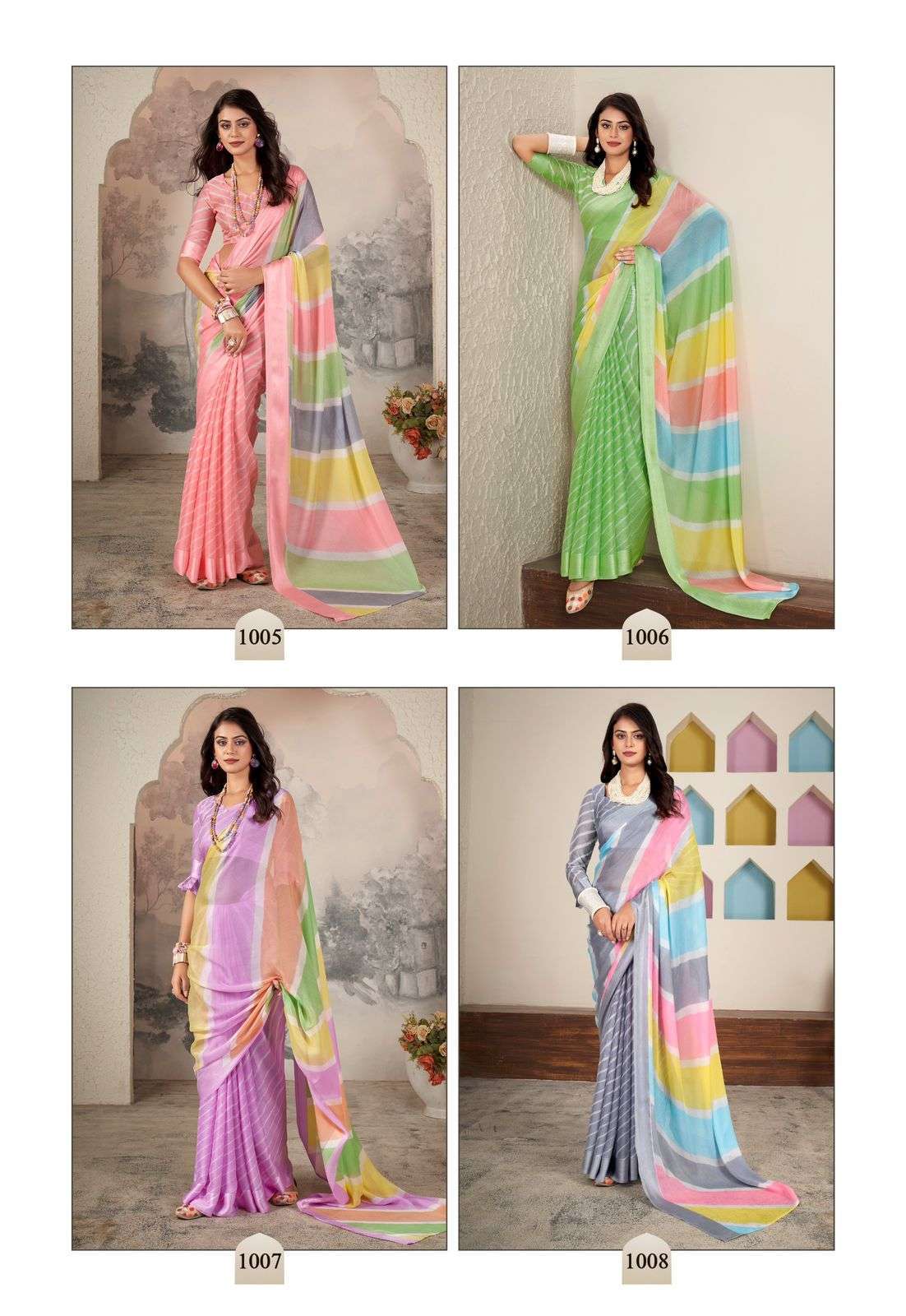
Sarees remain an important category for businesses selling traditional Indian clothing. Retailers can create collections for daily wear, office wear, celebrations, weddings, and gifting.
Product options may include:
- Cotton sarees
- Printed sarees
- Chanderi-style sarees
- Designer sarees
- Embroidered sarees
- Festive sarees
- Contemporary lightweight sarees
Before placing a bulk order, ask for clear product images or videos and confirm the fabric description, blouse-piece details where applicable, design availability, and exact pricing.
Buyers should also consider the preferences of their local customers. A boutique specializing in everyday clothing may require different sarees from a shop focusing on weddings and special occasions.
Learn more in our wholesale clothing buying guide.
C. Wholesale Dress Materials
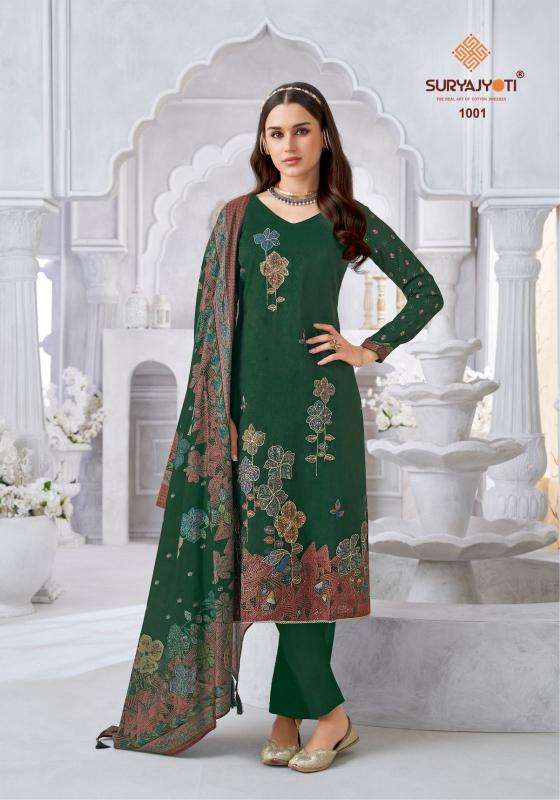
Dress materials can be a useful option for retailers whose customers prefer unstitched or semi-customizable outfits.
Possible styles include:
- Cotton dress materials
- Printed dress materials
- Embroidered dress materials
- Festive dress materials
- Lightweight everyday collections
- Premium ethnic suit materials
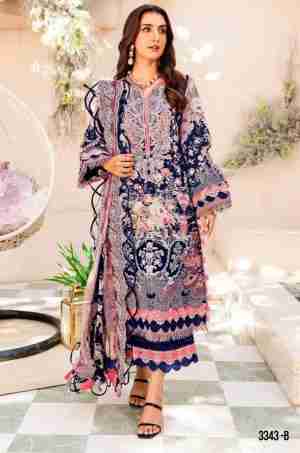
- Pakistani-style dress materials
When comparing products, check the fabric composition, included components, measurements, embroidery or print details, and whether the dupatta and bottom fabric are included.
Do not assume that all dress material sets contain the same components. Confirm the specifications for each design before ordering.
D. Wholesale Tops and Tunics
Tops and tunics can help retailers expand beyond traditional ethnic clothing. These products may suit customers who prefer casual fashion, Indo-western styles, and versatile everyday outfits.
Consider stocking a carefully selected mix of:
- Casual tops
- Printed tunics
- Long tunics
- Ethnic-inspired tops
- Contemporary women's wear
- Comfortable everyday styles
Before investing in this category, study local fashion preferences, sizing requirements, and the price range your customers are willing to pay.
E. Co-Ord Sets and Contemporary Fashion
Co-ord sets offer matching top-and-bottom outfits that may appeal to customers looking for coordinated, contemporary clothing.
Retailers can evaluate printed sets, casual styles, ethnic-inspired sets, and occasion-oriented designs.
However, trends can change quickly. Test demand before purchasing large quantities of unproven styles, and confirm available sizes and matching-piece specifications.
F. Festive and Party-Wear Clothing
Festive clothing can provide an opportunity to serve customers shopping for celebrations, weddings, family events, and seasonal occasions.
Possible products include designer kurtis, embellished dress materials, party-wear sarees, embroidered suits, and statement ethnic outfits.
Plan purchases according to the calendar of your target market. For international buyers, local festivals and community celebrations may differ from India's seasonal retail calendar.
For more sourcing ideas, read our Surat textile market guide for 2026.
3. Which Wholesale Clothing Products Are Right for Your Business?
There is no single product category that is best for every retailer. Your selection should reflect your customers and business model.
| Business type | Categories to consider |
|---|---|
| Local clothing shop | Kurtis, sarees, dress materials |
| Ethnic wear boutique | Designer kurtis, sarees, festive suits |
| Online fashion store | Printed kurtis, tops, tunics, co-ord sets |
| Traditional clothing retailer | Sarees, dress materials, ethnic suits |
| Boutique serving premium customers | Selected designer and occasion-wear collections |
| New clothing reseller | A small, carefully tested selection of products |
These are starting points, not guaranteed sales predictions. Validate each category against your own customers' preferences and purchasing power.
4. How to Choose a Reliable Wholesale Clothing Supplier in India
Choosing the right supplier is as important as selecting the products. A low purchase price will not necessarily produce a good business result if quality is inconsistent or the goods do not sell.
Before ordering, evaluate the following:
1. Product quality: Ask for clear photographs, videos, fabric details, and available samples where possible.
2. Pricing transparency: Confirm the price per piece or set, applicable quantity discounts, and any additional charges.
3. Minimum order quantity: Ask whether the supplier has a minimum quantity per design, color, product category, or total order.
4. Stock availability: Confirm whether the selected designs are currently available and whether quantities may change.
5. Communication: Choose a supplier who answers product and ordering questions clearly.
6. Packaging and dispatch: Ask how the products will be packed and what dispatch timelines are expected.
7. Shipping arrangements: Confirm delivery options, shipping charges, tracking availability, and any applicable customs or import requirements for your country.
8. Order documentation: Keep written confirmation of product specifications, quantities, prices, payment terms, and shipping arrangements.
Read our detailed guide on how to find reliable clothing wholesalers in India.
5. How Much Money Do You Need to Start Buying Wholesale Clothing?
Your starting investment depends on the supplier's minimum order requirements, product prices, order quantities, and shipping costs. There is no universal minimum that applies to every clothing supplier.
Before placing your first order, prepare a budget covering:
- Product purchase costs
- Shipping and delivery
- Packaging, if charged separately
- Applicable taxes and import duties
- Payment processing or currency conversion charges
- Marketing and selling expenses
- A reserve for operating costs
New retailers should avoid investing their entire budget in a large quantity of untested designs. Where the supplier permits it, consider starting with a smaller order and measuring customer response before expanding.
For example, a new boutique might test a limited selection of kurtis and dress materials before investing in a broader range of sarees and festive outfits.
Always confirm the actual minimum order quantity and available purchase options directly with the supplier.
6. How to Calculate Wholesale Clothing Profit
Understanding your total cost is essential when deciding which products to purchase.
Use this basic formula:
Gross profit per item = Selling price − Total landed cost per item
For example, suppose a garment costs ₹300 and its allocated shipping and other costs add ₹50 per item. Your landed cost becomes ₹350.
If you sell it for ₹500:
- Selling price: ₹500
- Landed cost: ₹350
- Gross profit before other business expenses: ₹150
This is an illustrative calculation, not a quoted price or a guaranteed margin. Your actual results will depend on product cost, shipping, taxes, discounts, returns, and selling expenses.
Remember that gross profit is not the same as net profit. Rent, staff costs, advertising, payment fees, and other overheads may reduce the final amount you earn.
For additional practical advice, read our wholesale clothing buying guide to improve purchasing decisions and margins.
7. How to Buy Wholesale Clothing Online Without Visiting Surat
Retailers outside Surat can explore online sourcing options instead of traveling for every purchase.
A practical process is:
- Visit WWW.KAPDAWHOLESALE.COM.
- Browse the available clothing collections and identify products relevant to your customers.
- Contact the supplier to confirm current designs, prices, minimum quantities, and stock availability.
- Request additional photographs or videos if you need to assess product details.
- Confirm the order quantity, payment terms, packaging, and shipping arrangements in writing.
- Make payment using the supplier's confirmed payment process.
- Obtain dispatch information and tracking details where available.
- Inspect the delivered goods and record which products perform best in your market.
For more details, read our guide on how to buy wholesale clothing online without visiting Surat.
8. How International Buyers Can Import Wholesale Clothing from India
International retailers should calculate the full cost of receiving products in their own country before confirming an order.
Consider these steps:
Step 1: Select your products. Choose categories that suit your local customers and target selling prices.
Step 2: Confirm the supplier's terms. Request written confirmation of the goods, quantity, price, packaging, and expected dispatch timeline.
Step 3: Calculate landed cost. Include freight, insurance where applicable, customs duties, taxes, handling fees, and local delivery.
Step 4: Check import requirements. Confirm your country's rules for textile imports, labeling, documentation, and business registration where relevant.
Step 5: Confirm shipping. Ask which delivery methods are available to your destination, their costs, and estimated transit times.
Step 6: Keep order records. Retain invoices, payment records, product details, and shipping documents.
Shipping availability, delivery times, duties, and other charges vary by destination and shipment. Confirm the details before paying.
Read our complete guide to importing wholesale clothing from India for more information.
9. Why Consider KapdaWholesale.com for Wholesale Clothing?
KapdaWholesale.com is a B2B wholesale clothing platform based in Surat, Gujarat, serving retailers, resellers, boutique owners, and buyers interested in Indian fashion.
Buyers can explore the website and enquire about suitable collections, including kurtis, sarees, dress materials, and other women's fashion products.
When evaluating any supplier, make sure the specific products, prices, stock, order requirements, and delivery arrangements meet your business needs.
You can also explore these related resources:
- KapdaWholesale.com: Your B2B Wholesale Clothing Partner from Surat
- Best Wholesale Clothing Supplier in India for Global Retailers
- Surat Wholesale Clothing Supplier: A Guide for Retailers and Global Buyers
- How to Start a Wholesale Clothing Business with an Indian Supplier
10. Tips for Growing Your Wholesale Clothing Business in 2026
Finding products is only the first step. Retailers also need to understand their customers and manage their inventory carefully.
Follow these practical suggestions:
- Study your customers: Identify their preferred fabrics, colors, styles, sizes, and budgets.
- Track sales: Record which products sell quickly and which remain unsold.
- Test new collections: Start with manageable quantities when possible.
- Calculate total costs: Include shipping and other expenses before setting retail prices.
- Use clear product images: Show accurate colors, fabric details, and garment measurements in your listings.
- Promote consistently: Use suitable channels such as Instagram, Facebook, YouTube, and WhatsApp to reach your audience.
- Maintain supplier communication: Confirm stock and pricing before repeat orders.
- Plan seasonal purchases: Order with enough time for shipping, customs clearance where applicable, and local promotion.
A sustainable clothing business is built through thoughtful purchasing, reliable supplier relationships, customer service, and careful cash-flow management.
Frequently Asked Questions (FAQs)
1. Which wholesale clothing products are best to buy from India in 2026?
Retailers can consider kurtis, sarees, dress materials, tops, tunics, co-ord sets, and festive ethnic wear. The best selection depends on customer demand, local fashion preferences, budget, and the supplier's available collection.
2. Where can I buy wholesale clothing from Surat, India?
You can explore wholesale clothing suppliers and online B2B platforms based in Surat. Visit KapdaWholesale.com to explore available collections and enquire about products for your business.
3. What is the minimum order quantity for wholesale clothing?
Minimum order quantities vary by supplier and product. Some suppliers may set minimums per design, color, or order, while others may offer different purchasing options. Confirm the exact requirements before placing an order.
4. Can I order wholesale clothing online without visiting India?
Yes. You can contact suppliers remotely, review available product photographs or videos, confirm specifications, and arrange payment and shipping. Verify the supplier's terms and product availability before completing your purchase.
5. How can I check the quality of wholesale garments before buying?
Request clear photographs and videos, ask about fabric composition and measurements, confirm stitching and finishing details, and consider ordering samples when available. Keep the agreed product specifications in writing.
6. Can international retailers buy wholesale clothing from India?
International retailers can source Indian clothing, subject to supplier availability and shipping arrangements. Buyers should check destination-country import requirements, customs duties, taxes, and applicable documentation before ordering.
7. How do I calculate the landed cost of wholesale clothing?
Add the product cost and applicable shipping, insurance, customs duties, taxes, handling fees, and other charges. Divide the total shipment cost by the number of saleable items to estimate the landed cost per item.
8. Which wholesale clothing products are suitable for boutique owners?
Boutiques may consider designer kurtis, selected sarees, dress materials, embroidered outfits, tops, tunics, and co-ord sets. The right mix depends on the boutique's positioning, target customers, and price range.
9. How can I contact KapdaWholesale about wholesale orders?
Visit WWW.KAPDAWHOLESALE.COM to explore the website and contact the business through its available contact or WhatsApp ordering options. Confirm current prices, stock, minimum quantities, and delivery details before payment.
10. How can I reduce risk when buying wholesale clothing?
Research the supplier, verify product details, confirm all terms in writing, calculate the total landed cost, and avoid overstocking untested designs. Start with quantities appropriate for your budget and sales expectations.
Conclusion
India offers a broad selection of clothing for retailers looking to expand their fashion collections in 2026. From wholesale kurtis and sarees to dress materials, tops, tunics, and festive wear, the right product mix can help you serve your customers more effectively.
The key is to choose products based on demand, compare quality and pricing, verify minimum order requirements, and calculate shipping and other expenses before purchasing.
If you are looking for Indian wholesale clothing from Surat, explore WWW.KAPDAWHOLESALE.COM and enquire about the collections suitable for your retail or resale business.
Ready to source Indian fashion for your business? Visit KapdaWholesale.com, review the available collections, and contact the team to discuss your wholesale requirements.