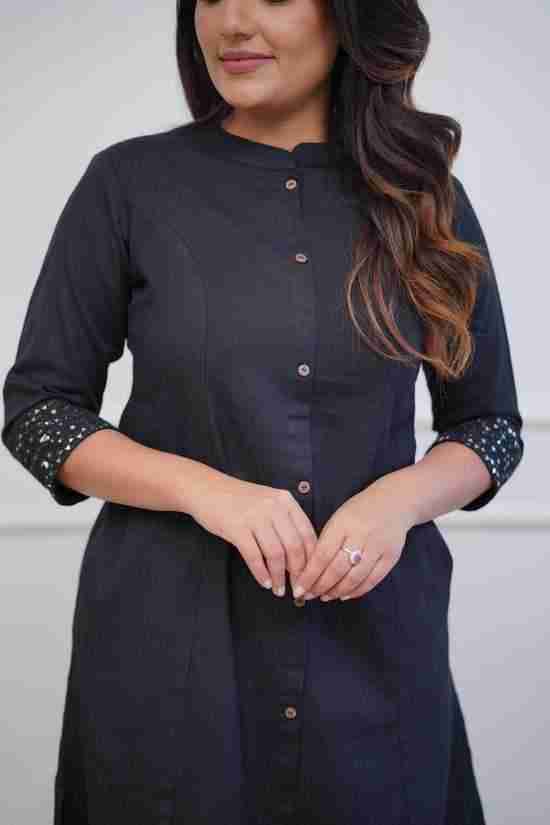
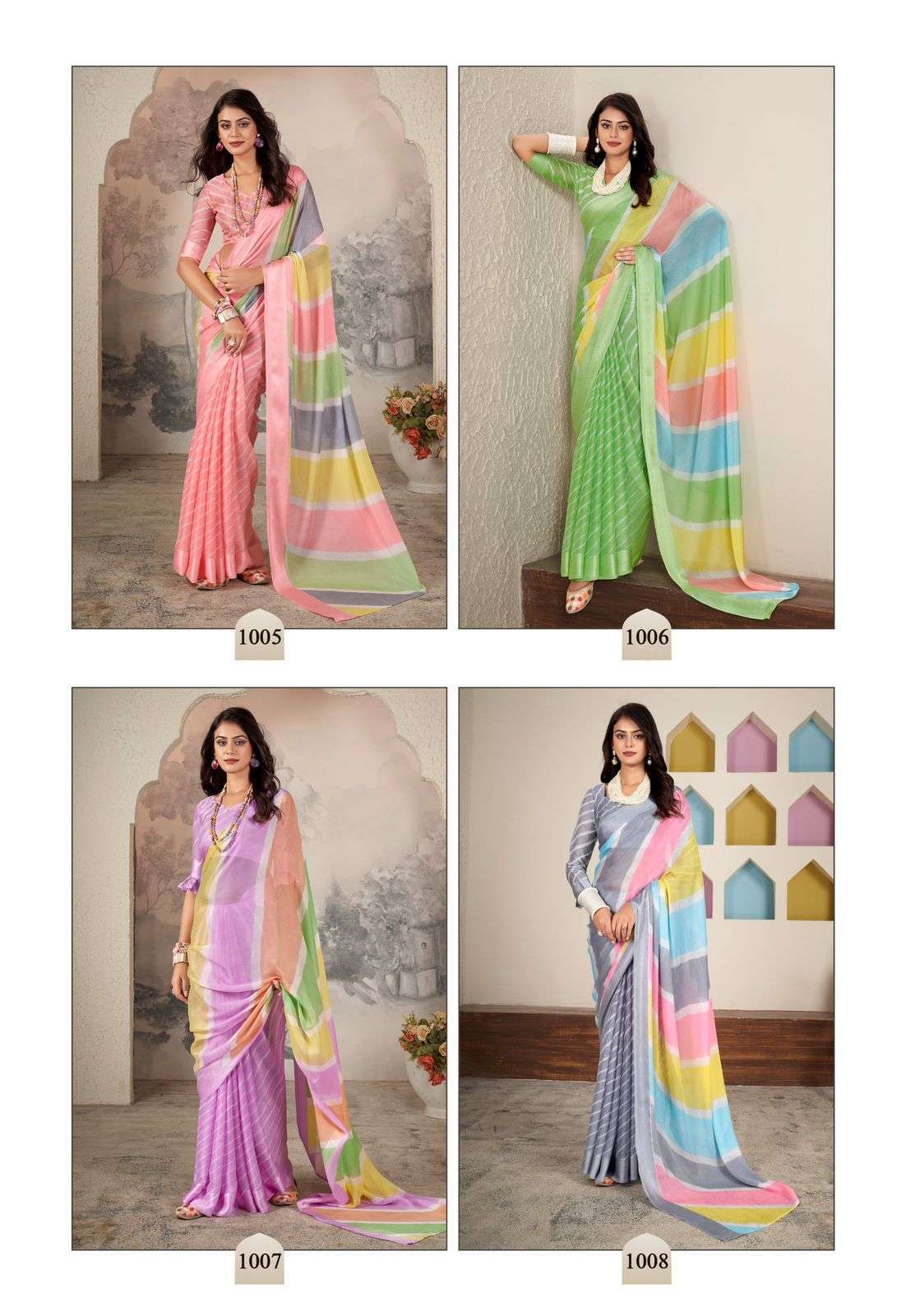
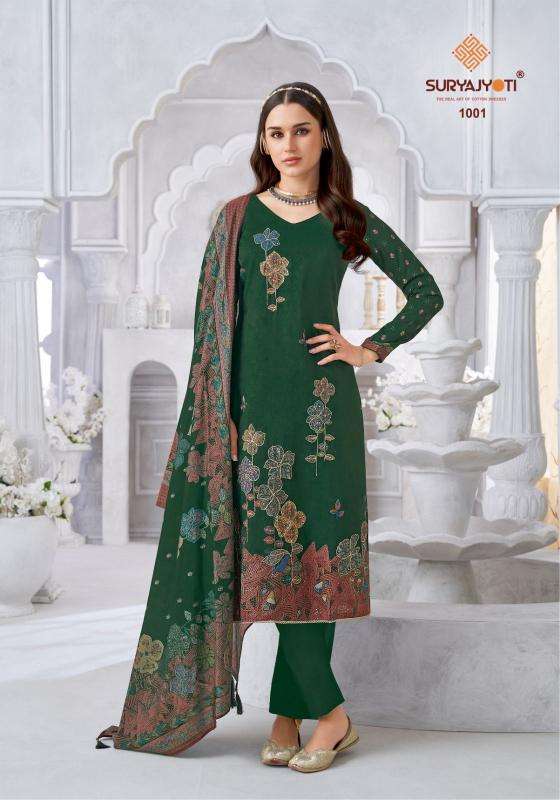
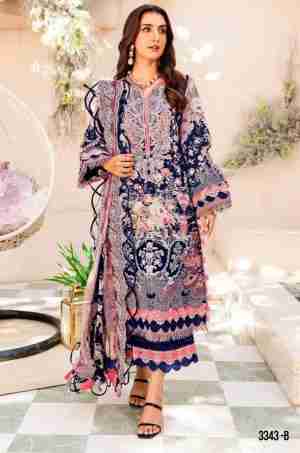
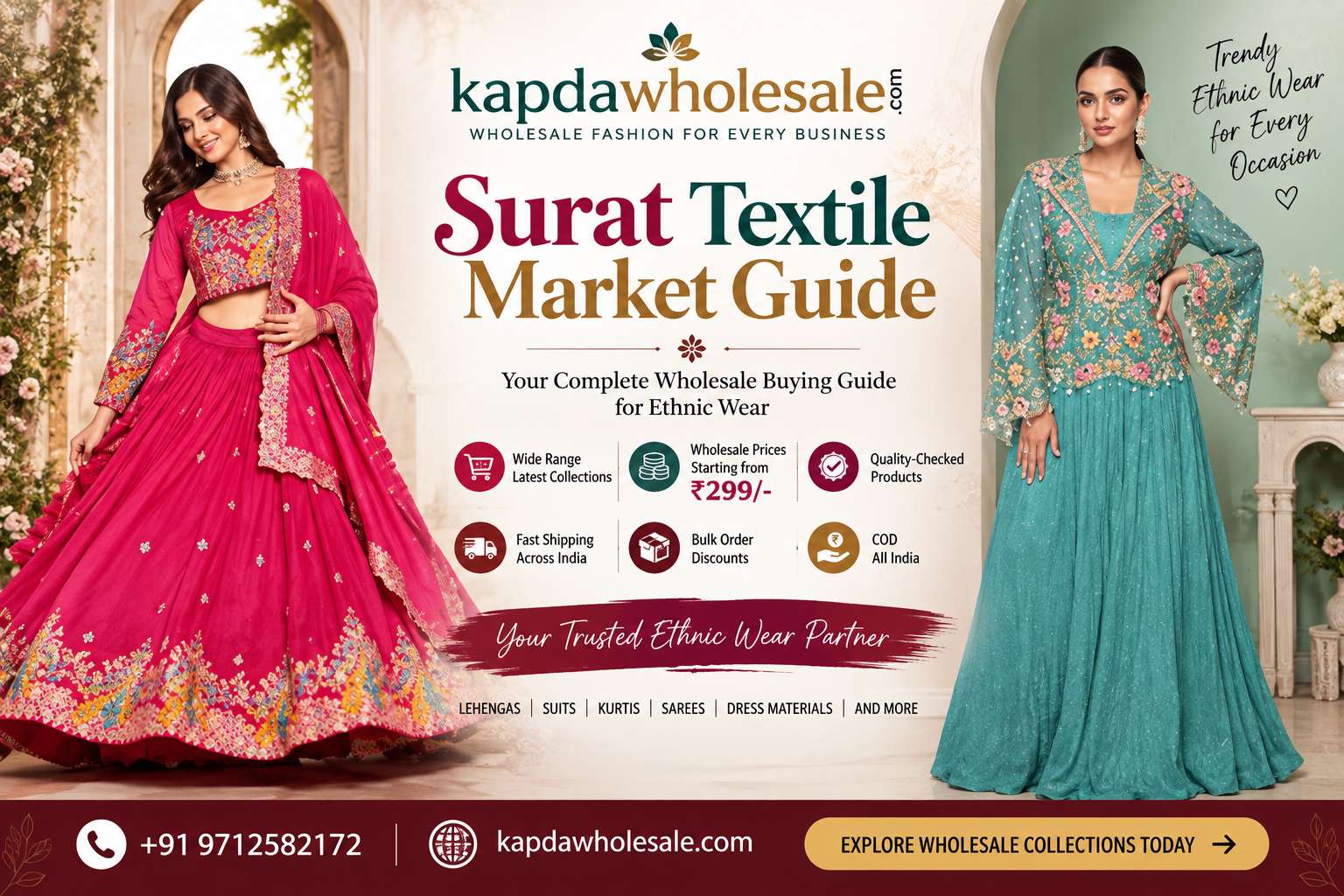
<h1><strong>Surat Textile Market Guide 2026: Wholesale Clothing, Prices & Buying in Surat</strong></h1> <p>For retailers who want to source women's ethnic wear in bulk, Surat offers access to an enormous variety of products across different designs, fabrics and price segments. From sarees and lehenga cholis to dress materials, kurtis and Pakistani-style suits, buyers can build collections for everyday retail, festive seasons, weddings and premium customers. The key is to purchase with a clear budget, target customer and resale strategy rather than selecting stock only because it looks attractive.</p> <h2><strong>Introduction</strong></h2> <p>The <strong>Surat textile market</strong> is closely connected with India's large textile manufacturing and wholesale ecosystem. For Shop Owners, Boutique Owners, Showroom Owners, Resellers, Home-Based Sellers and Wholesale Buyers, Surat can provide multiple sourcing possibilities within one textile city.</p> <p>However, serious wholesale purchasing is different from ordinary shopping. A buyer needs to compare the <strong>price</strong>, fabric, design, finishing, minimum order quantity, colour options, product category and expected selling margin before confirming stock. The objective is not simply to purchase at the lowest possible rate. The objective is to buy products that can move successfully in your own market.</p> <p>This becomes even more important in <strong>2026</strong>, when retailers can source products through physical markets as well as digital wholesale platforms. A buyer sitting outside Gujarat does not necessarily need to travel for every new collection. Product images, videos, online catalogs and B2B platforms such as kapdawholesale.com can make repeat sourcing more convenient.</p> <p>Vastralife brings wholesale and <strong>export</strong> experience since 2017, along with practical industry expertise in serving fashion buyers. This experience is useful because a reliable wholesale relationship is built around more than a single transaction. Product selection, quality, communication, dispatch planning and repeat availability can all influence the retailer's long-term business.</p> <h2><strong>Where to Buy Wholesale Clothes in Surat</strong></h2> <p>Wholesale buyers commonly search around major textile zones associated with <strong>Ring Road</strong> and <strong>Sahara Darwaza</strong>. The wider market ecosystem includes businesses dealing in sarees, suits, dress materials, kurtis, lehengas and other women's fashion categories.</p> <p>If you are visiting Surat specifically for wholesale purchasing, create a category-wise buying plan before arriving. Decide how much money you want to allocate to sarees, suits, kurtis, lehengas or other categories. This makes it easier to avoid spending too much capital on the first attractive collection you see.</p> <h3><strong>Ring Road Textile Buying</strong></h3> <p><strong>Ring Road</strong> is one of the terms buyers frequently encounter when searching for Surat wholesale clothing. For a retailer arriving from another city, planning the visit category by category can save time. Instead of moving randomly between sellers, shortlist the kind of merchandise you need and compare relevant collections.</p> <p>A boutique looking for premium festive outfits may have completely different requirements from a Home-Based Seller searching for affordable fast-moving ethnic wear. Both can source from Surat, but their purchasing strategy, quantity and target wholesale rate should be different.</p> <h3><strong>Sahara Darwaza and the Wider Textile Area</strong></h3> <p><strong>Sahara Darwaza</strong> is another familiar location reference for textile buyers visiting Surat. The broader textile trading area gives buyers access to a variety of wholesale businesses and product segments.</p> <p>Before travelling, ask suppliers for current product information whenever possible. Fashion inventory changes quickly, particularly around festive and wedding periods. A catalog that was available earlier may not necessarily have the same stock when you reach the market.</p> <h2><strong>What Can Wholesale Buyers Source from Surat?</strong></h2> <p>The strength of Surat for B2B fashion buyers is the breadth of categories available. A retailer can build an ethnic-wear assortment instead of depending on a single product line. The right mix depends on your customers, selling location, season and average retail ticket size.</p> <h3><strong>Wholesale Sarees</strong></h3> <p>Sarees remain an important category for many retailers. Buyers can explore different styles for daily wear, festive retail, wedding demand and premium customers. Depending on the collection, options may include printed sarees, designer sarees, traditional-inspired designs, lightweight fabrics and occasion-focused styles.</p> <p>When comparing saree stock, evaluate more than the wholesale rate. Check fabric feel, colour combination, border, blouse details where applicable, finishing and overall retail presentation. For online Resellers, clear product photography also matters because the customer may make the entire buying decision from images or videos.</p> <h3><strong>Wholesale Kurtis and Kurti Sets</strong></h3> <p>Kurtis can work across everyday, office, casual and festive segments. Retailers can select simple kurtis, printed styles, embroidered designs, kurti-pant sets and coordinated ethnic looks depending on the collection.</p> <p>Ready-made products require additional attention to sizing. Before placing a bulk order, confirm the available size range and whether products are supplied as size sets or according to another assortment. A good design is commercially useful only when its sizing matches your customers.</p> <h3><strong>Dress Materials and Suits</strong></h3> <p>Dress materials remain relevant for customers who prefer customised stitching or regional styling. Buyers can explore printed, embroidered, festive and premium dress material collections at different wholesale levels.</p> <p>Pakistani-style suits have also become an important fashion segment for many boutiques and Resellers. Buyers should examine the complete set, fabric combination, dupatta, work details and overall presentation before calculating the expected resale price.</p> <h3><strong>Lehenga Choli Wholesale</strong></h3> <p>Wedding and festive seasons can create demand for <strong>lehenga choli wholesale</strong> collections. These products may include embroidery, thread work, sequins, traditional-inspired patterns and contemporary colour combinations.</p> <p>For Boutique Owners and Showroom Owners, the visual appeal of lehengas can help create a strong festive display. However, buyers should carefully match the product's wholesale cost with the spending capacity of their own customers. Expensive inventory can block working capital if it is purchased without understanding local demand.</p> <h2><strong>How to Compare Surat Wholesale Clothing Prices</strong></h2> <p>A common mistake is asking only, “What is the lowest price?” A more useful question is, “What value am I receiving at this price, and can I resell this product profitably?”</p> <p>Wholesale rates can differ according to fabric, work, design complexity, stitching, quantity, brand, manufacturing process and product category. Even two products that appear similar in photographs may have different fabric quality or finishing.</p> <p>For each shortlisted collection, calculate the expected landed cost. If transportation, packaging, taxes or other applicable charges are involved, include them in your calculation rather than using only the product rate.</p> <p>Then determine your realistic retail selling price. The difference between the selling price and complete landed cost gives a more meaningful picture of potential gross margin.</p> <h3><strong>Do Not Buy Only Because a Product Is Cheap</strong></h3> <p>Low-cost inventory is not automatically profitable inventory. If a product does not suit your customers, even an attractive wholesale price can turn into blocked stock.</p> <p>A better buying decision combines four factors: customer demand, product quality, wholesale rate and realistic selling price. This approach is especially important for Home-Based Sellers and smaller Resellers working with limited capital.</p> <h3><strong>Compare Quality at Similar Price Points</strong></h3> <p>If two suppliers offer products in a similar range, compare fabric, stitching, embroidery or print quality, finishing and presentation. The product that gives your customer better perceived value may be commercially stronger even if its purchase rate is slightly higher.</p> <img src="https://kapdawholesale.com/images/product/2025/08/teal-green-chinon-thread-embroidery-work-bollywood-lehenga-choli-suppliers-2025-08-02_10_14_13.jpg"/> <h2><strong>Surat Lehenga Wholesale Buying for Wedding and Festive Stock</strong></h2> <p>Lehengas require a different purchasing approach from everyday garments. The customer is usually buying for a wedding, Navratri, festive celebration, family event or another occasion where appearance and detailing matter strongly.</p> <p>When purchasing lehengas, examine the blouse, lehenga fabric, dupatta, embroidery, flare, finishing and overall coordination of the set. Ask for complete product details before ordering so you understand exactly what is included.</p> <p>Retailers should also consider their regional customer preferences. Some markets respond strongly to traditional colours such as red, maroon and mustard, while others may show more demand for pastel, teal, pink or contemporary combinations.</p> <p>For bulk buyers, maintaining multiple price levels can be useful. Entry-level festive designs can serve budget-conscious shoppers, while more detailed products can target customers looking for premium occasion wear.</p> <h2><strong>Buying Directly for Your Type of Business</strong></h2> <p>There is no single wholesale buying formula that works for every retailer. Your ideal quantity, product range and budget should reflect the way you actually sell merchandise.</p> <h3><strong>For Home-Based Sellers</strong></h3> <p>Start with manageable quantities and focus on products that are easy to present through WhatsApp, Instagram or other digital selling channels. Attractive images, clear specifications and competitive pricing can make customer communication easier.</p> <p>A Home-Based Seller should avoid locking the majority of available capital into one expensive category. Testing several carefully selected designs can provide better information about what the audience wants.</p> <h3><strong>For Boutique Owners</strong></h3> <p>Boutique customers may value design differentiation, fabric, detailing and presentation. Rather than competing exclusively on price, boutiques can curate collections that fit their established customer profile.</p> <p>Look for products that complement the boutique's positioning. If your buyers expect premium ethnic wear, select merchandise with suitable finishing and styling instead of mixing unrelated products simply because they are inexpensive.</p> <h3><strong>For Shop Owners</strong></h3> <p>A retail shop may benefit from balancing proven everyday sellers with new fashion arrivals. Keep enough variety to attract repeat customers, but avoid purchasing too many similar designs.</p> <p>Track which colours, fabrics, price ranges and categories sell fastest. Your sales history should gradually become the foundation of future wholesale purchasing.</p> <h3><strong>For Showroom Owners</strong></h3> <p>Showrooms can create separate product levels for regular wear, festive fashion and premium occasion collections. This makes it easier to serve customers with different budgets without confusing the overall assortment.</p> <p>Large buyers should also monitor inventory turnover. Purchasing more stock can improve variety, but excessive inventory reduces the ability to react when new fashion trends emerge.</p> <h3><strong>For Resellers and Wholesale Buyers</strong></h3> <p>Resellers should consider both margin and repeatability. If you build demand for a product, being able to source similar merchandise again can be valuable. Wholesale Buyers purchasing for distribution should additionally evaluate packaging, quantity handling and dispatch coordination.</p> <h2><strong>Why Manufacturing Matters in Surat Wholesale Buying</strong></h2> <p>Surat's textile ecosystem is connected with different stages of <strong>manufacturing</strong>, processing, trading and distribution. For the buyer, understanding the product source can help clarify quality, availability and potential repeat supply.</p> <p>However, the term “manufacturer” alone should not determine your decision. What ultimately matters is whether the product meets your business requirements. Verify specifications, quality and commercial terms before placing substantial orders.</p> <p>kapdawholesale.com gives buyers another way to explore wholesale categories digitally. For retailers who cannot repeatedly visit Surat, online product discovery can reduce the time required to identify potentially suitable collections before ordering.</p> <h2><strong>Plan Seasonal Wholesale Purchases in Advance</strong></h2> <p>Fashion buying is closely connected with timing. Wedding seasons, Navratri, Diwali, Eid and regional festivals can influence demand for different types of ethnic wear. Buyers who wait until peak demand has already started may have fewer choices or less time to promote their stock.</p> <p>Plan backward from your selling season. Consider the time needed for ordering, dispatch, transportation, receiving, photography, customer promotion and actual retail sales.</p> <p>This is particularly important for international buyers. A retailer sourcing from India for <strong>Nepal</strong>, <strong>USA</strong> or <strong>Australia</strong> should account for additional logistics time rather than treating the dispatch date as the date the stock becomes ready for sale.</p> <p>For export-focused buying, calculate landed costs carefully. Freight and other applicable destination expenses can significantly change the final economics of a product.</p> <h2><strong>Build a Better Wholesale Order Instead of a Bigger Order</strong></h2> <p>A large purchase is useful only when the assortment is commercially balanced. Before finalising your order, divide the budget according to proven sellers, new designs, seasonal stock and experimental products.</p> <p>For example, a retailer can allocate a larger portion to categories with established demand while keeping a smaller percentage for testing emerging styles. This reduces dependence on guesswork and leaves room to reorder products that perform well.</p> <p>When browsing kapdawholesale.com, shortlist collections according to your business model and expected selling range. Compare the product proposition rather than selecting solely from photographs. Fabric, work, quantity and target customer should all influence the final decision.</p> <p>A disciplined purchasing process makes the <strong>Surat textile market guide</strong> more than a directory of places. It turns market knowledge into a practical sourcing strategy designed around sell-through, margin and repeat business.</p>
<h2><strong>How to Verify Products Before Placing a Bulk Order</strong></h2> <p>Once you have shortlisted products, verification becomes one of the most important steps in wholesale purchasing. Attractive photographs can help you discover a collection, but your final decision should also consider the fabric, work, colour combination, size details, set contents and finishing.</p> <p>For higher-value orders, ask for complete product information before making payment. If a collection contains multiple designs or colours, understand whether the complete catalog needs to be purchased or whether individual designs are available. Confirming these details in advance helps you calculate the actual investment required.</p> <p>For ready-made garments, size assortment deserves particular attention. A retailer whose customers mainly purchase M to XXL sizes needs a different buying strategy from a business serving plus-size customers. Similarly, lehenga, saree and dress material buyers should confirm exactly what comes with each product.</p> <h3><strong>Check Fabric and Work Details</strong></h3> <p>Terms such as embroidery work, thread work, sequins, digital print, jacquard, chinon, georgette and other fabric descriptions can influence both cost and retail positioning. Buyers should understand what they are purchasing instead of making assumptions based on a product image.</p> <p>This becomes especially important when selling online. Accurate product descriptions help Resellers communicate confidently with customers and reduce confusion after delivery.</p> <h3><strong>Confirm Current Price and Availability</strong></h3> <p>Fashion stock can move quickly. A product shown in an older catalog may be sold out, restocked or available at a changed price. Therefore, confirm the current rate and stock status before finalising a bulk purchase.</p> <p>For buyers sourcing repeatedly through kapdawholesale.com, checking fresh collections regularly can help identify new products while they are commercially relevant.</p> <h2><strong>Internal Linking for Focused Wholesale Sourcing</strong></h2> <p>Wholesale buyers get better results when they move from broad market research to category-specific purchasing. For example, a retailer preparing wedding inventory can directly explore a <a href="https://www.kapdawholesale.com/lehenga-wholesaler-in-surat">lehenga wholesaler in Surat</a> category rather than spending time browsing unrelated everyday products.</p> <p>Similarly, boutiques and Resellers targeting demand for South Asian fashion can explore <a href="https://www.kapdawholesale.com/pakistani-suits">Pakistani suits</a> according to their customers' preferred designs, fabrics and selling range.</p> <p>Category-focused sourcing helps protect the buying budget. It allows retailers to compare similar products, evaluate price differences and build an assortment that serves a defined customer rather than accumulating unrelated stock.</p> <h2><strong>Calculate the Real Cost Before You Buy</strong></h2> <p>The product's quoted wholesale price is only one part of a buying decision. Professional buyers should calculate the complete cost of bringing stock into their business.</p> <p>Depending on the order and destination, this may include the product value, applicable tax, transportation, packaging, payment-related expenses and other relevant logistics costs. International buyers may also need to account for freight and destination-specific charges.</p> <p>After establishing landed cost, compare it with your realistic selling price. Do not calculate margin using an unrealistic maximum retail price that customers in your market are unlikely to pay.</p> <h3><strong>Protect Your Working Capital</strong></h3> <p>Suppose two collections require the same investment. One can potentially sell within a few weeks, while the other may require several months. Even if their percentage margins look similar, the faster-moving collection may allow the same capital to be reused more frequently.</p> <p>This is why inventory turnover matters. Wholesale businesses and retailers should think about both margin and the speed at which money returns to the business.</p> <h3><strong>Keep a Budget for Reorders</strong></h3> <p>A common purchasing mistake is spending the entire buying budget during the first round. Keeping some capital available allows you to replenish a fast-selling collection or purchase an important new arrival without waiting for slow stock to clear.</p> <p>For fashion businesses, flexibility can be particularly valuable because customer preferences and trends can change quickly.</p> <img src="https://kapdawholesale.com/images/product/2025/08/pink-vichitra-embroidery-work-navratri-lehenga-choli-manufacturers-india-2025-08-02_10_12_51.jpg" /> <h2><strong>Festive and Wedding Wholesale Buying from Surat</strong></h2> <p>Festive and wedding inventory can create valuable sales opportunities, but timing and assortment need careful planning. Buyers should begin sourcing early enough to receive, display and promote their merchandise before customer demand reaches its peak.</p> <p>For Navratri, wedding functions and festive occasions, customers may look for stronger colours, embroidery, decorative work, coordinated dupattas and visually distinctive designs. However, every market behaves differently. A product that performs strongly in one city or country may have a different response elsewhere.</p> <p>Instead of purchasing large quantities based purely on a trend, use previous sales records and customer enquiries to decide how deeply you should stock each style.</p> <h3><strong>Create Multiple Price Segments</strong></h3> <p>A useful festive assortment can include products at different buying and selling levels. Budget-focused shoppers may want an attractive outfit at an accessible price, while wedding customers may be prepared to spend more for heavier work and premium presentation.</p> <p>Keeping multiple price segments allows a retailer to serve a wider customer base without making every piece expensive or every piece budget-oriented.</p> <h3><strong>Use Colour Variety Carefully</strong></h3> <p>Colour is particularly important in ethnic and festive fashion. Red, maroon, pink, mustard, green and other traditional shades can remain important, while seasonal trends may increase demand for specific contemporary colours.</p> <p>Variety is useful, but excessive duplication is not. If several designs look nearly identical on display, customers may perceive less choice even when your inventory quantity is high.</p> <h2><strong>Wholesale Buying for Export from Surat</strong></h2> <p>Surat sourcing is not limited to buyers within <strong>India</strong>. Retailers and wholesalers serving overseas markets can also source Indian ethnic wear for their customers. For businesses supplying markets such as <strong>Nepal</strong>, <strong>USA</strong> and <strong>Australia</strong>, product selection should be matched to local demand and shipping economics.</p> <p>Export buyers should consider product weight, packaging, quantity and transportation cost while selecting stock. A product with an attractive Indian wholesale rate may become significantly more expensive after international freight is included.</p> <p>It is also sensible to plan seasonal export orders well in advance. A festive collection has maximum commercial value when it arrives early enough for the retailer to promote and sell it before the relevant occasion.</p> <p>Vastralife's wholesale and export experience since 2017 brings practical industry understanding to B2B textile sourcing. Premium product quality, clear product selection and dependable communication are particularly important when the buyer cannot physically inspect every collection before dispatch.</p> <h2><strong>How Online Wholesale Buying Can Save Time</strong></h2> <p>Physical market visits remain useful for many buyers, but digital wholesale sourcing can make routine purchasing more efficient. Buyers can review product categories, compare designs and shortlist stock before making a purchasing decision.</p> <p>This is especially valuable for retailers located outside Surat. Instead of travelling for every collection, they can explore available merchandise remotely and communicate about products they genuinely want to purchase.</p> <p>kapdawholesale.com is designed to support this type of wholesale product discovery. For Shop Owners, Boutique Owners, Showroom Owners, Resellers and Home-Based Sellers, online access can make it easier to monitor new collections without depending exclusively on physical visits.</p> <h3><strong>Use Online Sourcing for Repeat Purchases</strong></h3> <p>If you already understand a supplier's products and quality expectations, online ordering can be particularly practical for repeat stock. It reduces travel time and lets you focus on products that have already demonstrated demand among your customers.</p> <h3><strong>Use Product Information Before Confirming</strong></h3> <p>Review product photographs and available specifications carefully. If any important detail is unclear, confirm it before ordering. Good wholesale purchasing depends on accurate information rather than assumptions.</p> <h2><strong>Common Mistakes Wholesale Buyers Should Avoid</strong></h2> <p>Even experienced retailers can make expensive purchasing mistakes when decisions are driven by excitement rather than sales data. A disciplined approach to the <strong>Surat textile market</strong> can significantly improve inventory quality.</p> <h3><strong>Buying Too Much of One New Design</strong></h3> <p>A design may look excellent in a catalog but still receive a different response from your customers. Unless you already have confirmed demand, consider testing unfamiliar styles before increasing quantities.</p> <h3><strong>Ignoring Existing Inventory</strong></h3> <p>Check your current stock before placing a new order. If you already have a large quantity of similar colours, patterns or price points, adding more can create unnecessary duplication.</p> <h3><strong>Focusing Only on Purchase Price</strong></h3> <p>The cheapest product does not automatically provide the highest profit. Quality, visual appeal, customer demand, selling price and stock rotation all affect the final commercial result.</p> <h3><strong>Not Planning Seasonal Stock Early Enough</strong></h3> <p>Ordering after the selling season has already started can reduce the time available to recover your investment. Plan backward from the festival, wedding period or seasonal event.</p> <h3><strong>Buying Without a Target Customer</strong></h3> <p>Every product does not suit every business. A premium showroom and a budget-focused Reseller may need completely different merchandise even if both source from the same city.</p> <h2><strong>2026 Surat Textile Market Buying Checklist</strong></h2> <p>Before placing your next wholesale order in <strong>2026</strong>, define your total purchasing budget and divide it by product category. Decide which categories are proven sellers and how much money you are prepared to use for testing new designs.</p> <p>Next, check fabric, work, colour, size where applicable, set contents, minimum order requirement, current availability and wholesale price. Calculate the complete landed cost and compare it with your achievable retail selling rate.</p> <p>Review your existing inventory to avoid unnecessary duplication. For seasonal products, calculate whether the stock can arrive early enough to give you a reasonable selling window.</p> <p>Finally, keep records after the products begin selling. Track which categories, colours, designs and price ranges perform well. This data can make your next Surat purchase considerably more accurate.</p> <h2><strong>Why Repeat Buying Data Matters</strong></h2> <p>The strongest wholesale buying strategy develops over time. Your customers continuously provide information through what they purchase, what they ignore and what they request.</p> <p>If embroidered suits consistently sell faster than plain styles, that information should influence your next purchase. If customers repeatedly request a particular size or colour that sells out first, adjust the next order accordingly.</p> <p>This approach turns purchasing from guesswork into a repeatable business process. Instead of asking what is generally trending, you begin asking which trends are converting into sales for your specific customer base.</p> <p>The same principle applies whether you operate a physical shop, boutique, showroom, social-media business or wholesale distribution network.</p> <h2><strong>Customer FAQs</strong></h2> <h3><strong>1. Where can I buy wholesale clothes in Surat?</strong></h3> <p>Wholesale buyers commonly explore textile trading areas around Ring Road and Sahara Darwaza as well as online wholesale platforms. The right sourcing option depends on the category, quantity, budget and type of products you require.</p> <h3><strong>2. Can I purchase Surat wholesale clothing online?</strong></h3> <p>Yes. Buyers can explore wholesale fashion products online through kapdawholesale.com, making it easier for retailers outside Surat to review collections and source products remotely.</p> <h3><strong>3. What products can I buy wholesale from Surat?</strong></h3> <p>Depending on current availability, wholesale categories can include sarees, kurtis, kurti sets, dress materials, Pakistani-style suits, lehenga cholis, festive ethnic wear and other women's fashion products.</p> <h3><strong>4. Is Surat suitable for Home-Based Sellers and Resellers?</strong></h3> <p>Yes. Smaller sellers can source according to their budget and customer segment, but minimum order requirements can vary by product. It is sensible to confirm the applicable MOQ and test unfamiliar collections before committing significant capital.</p> <h3><strong>5. How do I compare wholesale prices in Surat?</strong></h3> <p>Compare similar products according to fabric, work, stitching, finishing, quantity and overall quality rather than comparing rates alone. Also calculate transportation and other applicable costs to determine your actual landed price.</p> <h3><strong>6. Can international buyers source from Surat?</strong></h3> <p>Yes, wholesale and export sourcing can serve overseas businesses as well. International buyers should consider shipping time, freight cost, packaging and destination requirements before confirming an order.</p> <h3><strong>7. What should I check before buying lehenga choli in bulk?</strong></h3> <p>Check the lehenga fabric, blouse details, dupatta, embroidery or decorative work, finishing, colour assortment, complete set contents and wholesale price. Also ensure that the style and selling range match your target customer.</p> <h3><strong>8. When should I buy festive collections?</strong></h3> <p>Buy early enough to allow for dispatch, transportation, merchandising and customer promotion before peak demand. Export buyers should allow additional time for international delivery.</p> <h3><strong>9. Should I buy directly from manufacturing sources only?</strong></h3> <p>Manufacturing connections can be useful, but they should not be the only purchasing criterion. Product quality, design, quantity requirements, price, service and suitability for your customers should all influence the decision.</p> <h3><strong>10. How can I reduce the risk of slow-moving stock?</strong></h3> <p>Use previous sales data, start unfamiliar products with controlled quantities, maintain variety without excessive duplication and keep part of your buying budget available for reordering proven sellers.</p> <h2><strong>Make Your Surat Wholesale Buying More Profitable</strong></h2> <p>A practical <strong>Surat textile market guide</strong> should ultimately help you purchase better stock, not simply tell you where textiles are sold. Ring Road, Sahara Darwaza, manufacturing networks and online wholesale sourcing provide many possibilities, but the final buying decision must be based on your customers and your business economics.</p> <p>Compare quality with price, calculate landed costs, maintain category balance and purchase seasonal products at the right time. Most importantly, learn from every order. Your own sales history can eventually become more valuable than following every new fashion trend.</p> <p>Whether you are purchasing for India or planning export stock, the same principle applies: buy products that have a clear customer, realistic selling price and commercially sensible margin.</p> <h2><strong>Explore Wholesale Collections at Kapdawholesale.com</strong></h2> <p>Looking for fresh stock for your retail or reselling business? Explore <strong>Latest Collections</strong>, competitive <strong>Wholesale Pricing</strong> and <strong>Trendy Ethnic Wear</strong> suitable for different customer segments.</p> <p>Buyers can enquire about <strong>Fast Shipping</strong>, available <strong>COD Support</strong>, <strong>Bulk Order Deals</strong> and current wholesale collections. Discover <strong>Quality Products Starting From ₹299</strong>, subject to product availability and individual collection pricing.</p> <p>With Vastralife's wholesale and export experience since 2017, industry expertise and focus on premium product quality, buyers can explore opportunities for retail stores, boutiques, showrooms, reselling businesses and wholesale requirements.</p> <p><strong>Contact Number:</strong> +91 9712582172</p> <p><strong>Website:</strong> kapdawholesale.com</p> <p>Plan your next wholesale purchase with a clear budget, the right product mix and a strong understanding of your customer. Explore fresh collections, compare suitable products and build inventory designed to sell—not simply inventory designed to fill shelves.</p>