


Wholesale Dress Materials: What Retailers Should Buy for Maximum Profit
Introduction
For retailers, boutiques, resellers, and online clothing businesses, choosing the right products to stock is one of the most important factors in achieving healthy profit margins.
Wholesale dress materials are an attractive category because they offer retailers a combination of variety, styling flexibility, affordability, and repeat-purchase potential. Customers can use dress materials to create salwar suits, ethnic outfits, festive wear, office wear, and customized garments.
However, simply buying large quantities is not enough. Retailers need to select the right fabrics, designs, price points, colors, and quantities according to their target customers.
If you are looking for a reliable source for dress materials, explore the KapdaWholesale Dress Material Collection, which features a wide range of wholesale options from Surat.
In this guide, we explain which wholesale dress materials retailers should consider buying to build a profitable clothing inventory.
Why Wholesale Dress Materials Are a Good Product for Retailers
Dress materials can be an excellent addition to a retail clothing business because one product can appeal to different customer segments.
Retailers can stock:
- Everyday cotton dress materials
- Printed dress materials
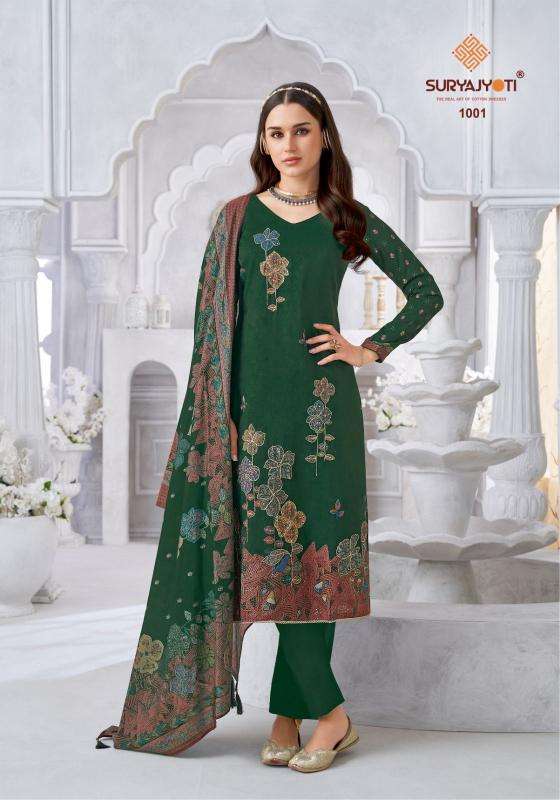
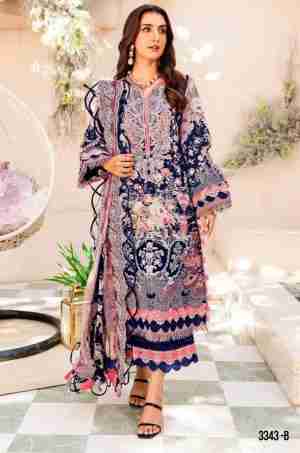
- Designer dress materials
- Embroidered dress materials
- Silk dress materials
- Georgette and chiffon materials
- Festive and partywear materials
- Premium ethnic collections
- Budget-friendly daily-wear options
A diversified collection allows retailers to serve customers with different budgets instead of depending on one product category.
Surat is particularly important for textile sourcing because it offers a large ecosystem of textile manufacturers, wholesalers, processors, and exporters. KapdaWholesale's current dress-material collection includes numerous styles and price points designed for retailers and resellers.
1. Cotton Dress Materials for Regular Sales
If you want products that can attract customers throughout the year, cotton dress materials should be part of your inventory.
Cotton is especially suitable for:
- Daily wear
- Office wear
- Summer collections
- Casual ethnic outfits
- Comfortable home-to-office fashion
- Budget-conscious customers
Retailers can consider stocking multiple prints and colors rather than buying too many pieces of one design.
Why Cotton Can Be Profitable
Customers often prioritize comfort for everyday clothing. Offering affordable cotton dress materials allows retailers to target a broad customer base.
For better inventory turnover, consider buying:
- Floral prints
- Traditional prints
- Minimal patterns
- Pastel shades
- Bright colors
- Geometric designs
- Simple ethnic motifs
A good combination of colors and designs can help retailers attract repeat customers.
2. Printed Dress Materials for Fast-Moving Collections
Printed dress materials are another category retailers should consider.
Printed designs allow retailers to offer variety without necessarily moving into very expensive products.
Popular options can include:
- Floral prints
- Digital prints
- Ethnic prints
- Abstract patterns
- Traditional motifs
- Contemporary prints
- Block-inspired designs
Retailers should avoid putting too much money into a single print. Instead, create a wide assortment with smaller quantities across multiple designs.
This strategy can reduce the risk of slow-moving inventory.
3. Designer Dress Materials for Higher-Value Customers
Retailers serving boutiques and premium customers should also consider designer dress materials.
These products can feature:
- Detailed prints
- Premium fabrics
- Embroidery
- Jacquard textures
- Decorative dupattas
- Premium finishing
- Rich color combinations
Designer dress materials can allow retailers to position their store as a premium ethnic-wear destination.
Instead of competing only on price, retailers can compete on design, quality, exclusivity, and presentation.
For example, a premium dress-material set can be marketed as an outfit solution rather than simply selling fabric.
4. Embroidered Dress Materials for Festive and Occasion Wear
Festive seasons can create opportunities for retailers to increase their average order value.
For this segment, consider stocking embroidered dress materials with attractive detailing.
These can work well for:
- Weddings
- Festivals
- Family functions
- Parties
- Religious events
- Special occasions
Embroidered materials can command higher selling prices than basic everyday products, but retailers should be careful about purchasing excessive quantities.
A balanced strategy is to maintain:
Basic + Mid-Range + Premium
This gives customers options at different price points.
5. Silk Dress Materials for Premium Collections
Silk and silk-blend dress materials can be useful for retailers targeting customers looking for elegant ethnic fashion.
They are particularly suitable for:
- Festive collections
- Wedding shopping
- Premium boutiques
- Occasion wear
- Gift-oriented purchases
When purchasing silk-based products, retailers should pay close attention to fabric composition, finishing, color quality, embroidery, and overall presentation.
Do not choose a product solely because it looks attractive in a catalog. Request complete product details and inspect samples whenever possible.
6. Georgette and Chiffon Dress Materials
For customers who prefer lightweight and stylish outfits, georgette and chiffon dress materials can be valuable additions to a retail collection.
These fabrics can be suitable for:
- Partywear
- Evening wear
- Designer suits
- Festive outfits
- Contemporary ethnic fashion
Retailers can combine these products with attractive dupattas and embroidery to create premium-looking collections.
The key is to maintain variety without overstocking.
7. Festive Dress Materials
Festive collections can be one of the most important opportunities for retailers.
Before major festivals and wedding seasons, retailers should consider adding:
- Rich colors
- Embroidered designs
- Metallic detailing
- Premium dupattas
- Traditional motifs
- Designer patterns
- Occasion-ready fabrics
However, timing matters.
Retailers should plan festive inventory before customer demand reaches its peak, while avoiding excessive purchases that may remain unsold after the season.
Fashion inventory has a short product life cycle, making assortment and demand planning particularly important for retailers.
8. Budget-Friendly Dress Materials
Not every customer wants premium fashion.
A successful retailer should also have affordable products for price-sensitive customers.
Budget dress materials can help retailers attract:
- New customers
- Students
- Working women
- Regular ethnic-wear shoppers
- Customers shopping on a fixed budget
- Resellers looking for affordable products
Instead of maintaining only expensive inventory, create a price ladder:
Entry Level
Affordable daily-wear products.
Mid Range
Better fabrics, prints, and finishing.
Premium
Designer, embroidered, silk, or occasion-wear collections.
This approach allows customers to shop according to their budget while increasing your chances of making a sale.
9. How Many Dress Materials Should Retailers Buy?
One of the biggest mistakes retailers make is buying too much inventory simply because the wholesale price appears attractive.
Instead, consider the following approach:
Start With Variety
Buy different:
- Designs
- Colors
- Fabrics
- Price points
- Styles
rather than purchasing huge quantities of one design.
Track Sales
After selling for a few weeks, identify:
- Best-selling fabrics
- Fast-moving colors
- Popular price ranges
- Popular designs
- Slow-moving products
Then reorder the winners.
This creates a data-driven buying strategy instead of relying entirely on intuition.
10. Focus on Profit Per Product, Not Just Low Purchase Price
The cheapest wholesale product is not always the most profitable.
Suppose Product A costs less but sells slowly, while Product B costs slightly more but sells quickly and attracts repeat customers.
Product B may generate better overall business results.
Retailers should evaluate:
Purchase Price + Shipping + Packaging + Selling Price + Sales Speed = Real Profitability
Consider the complete cost before deciding what to stock.
This is particularly important when textile input costs are volatile. Recent reporting has highlighted pressure on Surat's textile industry from higher yarn, energy, processing, and other input costs.
11. Choose a Wholesale Supplier Carefully
Your supplier directly affects your retail business.
Before placing large orders, evaluate:
Product Quality
Check:
- Fabric feel
- Print quality
- Color consistency
- Stitching or finishing
- Embroidery
- Dupatta quality
- Packaging
Price
Compare wholesale prices across suppliers, but do not sacrifice quality simply to save a small amount.
Variety
A supplier offering multiple categories can make sourcing easier.
KapdaWholesale provides dress materials across fabrics and styles, including cotton, silk, georgette, chiffon, embroidered, velvet, and printed options.
Order Flexibility
Retailers should also understand:
- Minimum order quantities
- Available catalog sizes
- Shipping arrangements
- Delivery timelines
- Payment terms
- Return/replacement policies
12. Why Buy Wholesale Dress Materials From Surat?
Surat is one of India's major textile and fashion-sourcing hubs.
For retailers, sourcing from Surat can provide access to:
- Large product variety
- Competitive wholesale pricing
- Multiple fabric options
- New designs
- Ethnic-wear collections
- Manufacturers and wholesalers
- Export-oriented suppliers
KapdaWholesale operates from Surat and serves retailers, resellers, boutiques, and international buyers looking for wholesale dress materials.
For businesses that also sell other ethnic-wear products, retailers can explore related wholesale Kurtis, wholesale Sarees, and other categories available through KapdaWholesale.
13. Build a Balanced Dress Material Inventory
A profitable inventory does not need to contain hundreds of expensive designs.
Instead, create a balanced collection.
Suggested Inventory Mix
40% Everyday & Budget
- Cotton
- Printed
- Simple designs
30% Mid-Range Fashion
- Better prints
- Designer patterns
- Georgette
- Chiffon
20% Premium
- Silk
- Embroidery
- Premium fabrics
10% Experimental
- New trends
- Unique designs
- New colors
- Emerging styles
This is only a starting framework. Your ideal mix should depend on your customers, location, selling channel, and previous sales data.
14. Sell Dress Materials Through Multiple Channels
Modern retailers do not have to depend entirely on a physical shop.
Wholesale dress materials can be marketed through:
- Retail stores
- Boutique websites
- YouTube
- Online marketplaces
- Reseller networks
High-quality product photos and videos can make a major difference when selling online.
Show customers:
- Front and back designs
- Fabric close-ups
- Dupatta details
- Embroidery
- Color options
- Full product sets
- Product measurements
This can increase customer confidence before purchase.
15. Why KapdaWholesale Is a Useful Source for Retailers
If you are searching for a wholesale dress material supplier in India, KapdaWholesale offers a broad collection for retailers, resellers, boutiques, and international buyers.
The current collection includes numerous dress-material products with different price points, quantities, fabrics, and styles.
KapdaWholesale positions itself as a manufacturer, wholesaler, and exporter from Surat, offering products for both domestic and international buyers.
You can explore the latest collection here:
Shop Wholesale Dress Materials at KapdaWholesale
Conclusion: Buy Smart, Not Just in Bulk
Wholesale dress materials can be a profitable category for retailers when the inventory is selected carefully.
The best strategy is not simply to find the cheapest supplier. Instead, retailers should focus on:
- Product quality
- Customer demand
- Fabric variety
- Attractive designs
- Multiple price points
- Seasonal demand
- Inventory turnover
- Reliable suppliers
- Consistent quality
- Reordering proven bestsellers
Start with a balanced collection, monitor what sells, and gradually increase your investment in proven products.
For retailers, boutiques, resellers, and international buyers looking for wholesale dress materials from Surat, India, explore the latest collection from KapdaWholesale.
👉 Explore KapdaWholesale Wholesale Dress Materials
Frequently Asked Questions
1. What are the best wholesale dress materials for retailers?
Cotton, printed, designer, embroidered, silk, georgette, and chiffon dress materials can all be useful. The best selection depends on your customers and price range.
2. Is buying dress materials wholesale profitable?
It can be profitable when retailers purchase products at competitive prices, select designs that match customer demand, control inventory, and maintain appropriate retail margins.
3. Which dress material is best for daily wear?
Cotton and comfortable printed materials are strong options for daily-wear customers because they can offer comfort and versatile styling.
4. Which dress materials are suitable for festive seasons?
Embroidered, silk, premium printed, designer, and richly detailed dress materials can be suitable for festive and occasion-wear collections.
5. Where can I buy wholesale dress materials from India?
Retailers and resellers can source dress materials from major textile hubs such as Surat. KapdaWholesale offers a dedicated wholesale dress material collection for retailers and buyers.
6. Can international buyers purchase wholesale dress materials from India?
Yes. International buyers can source Indian dress materials from exporters and wholesale suppliers that support international shipping. Always confirm shipping, payment, documentation, MOQ, and delivery terms with the supplier before ordering.
7. How can retailers maximize profit from wholesale dress materials?
Focus on the right combination of quality, price, design, customer demand, inventory turnover, and seasonal planning rather than purchasing only based on the lowest wholesale price.