






Wholesale Clothing Buying Guide: How to Get Better Prices and Margins
Buying wholesale clothing at the right price is one of the most important factors in building a profitable fashion business. Whether you own a boutique, clothing store, online shop, or resale business, your buying strategy directly affects your profit margins.
For retailers and international buyers, sourcing directly from an experienced Indian wholesale clothing supplier can provide access to a wide range of fashionable products at competitive wholesale prices.
In this complete wholesale clothing buying guide, we explain how to choose products, negotiate better prices, control costs, improve profit margins, and build a reliable relationship with an Indian wholesale supplier.
Why Wholesale Clothing Buying Strategy Matters
Buying clothing in bulk is not simply about finding the lowest price. A low purchase price does not always mean higher profits.
Successful retailers consider:
- Product quality
- Wholesale price
- Minimum order quantity
- Shipping costs
- Product demand
- Seasonal trends
- Resale price
- Size and color availability
- Supplier reliability
- Packaging and delivery
- Return or replacement policies
The goal is to find the right balance between cost, quality, demand, and selling price.
1. Choose the Right Wholesale Clothing Supplier
Your supplier can have a major impact on your business margins.
Look for a wholesale clothing supplier that offers:
- Competitive B2B pricing
- Consistent quality
- Trendy designs
- Multiple clothing categories
- Reliable stock availability
- Clear product information
- Secure packaging
- International shipping options
- Responsive communication
KapdaWholesale.com is positioned as a B2B wholesale clothing source from Surat, India, offering products for retailers, boutiques, resellers, and buyers looking for Indian fashion wholesale products.
Explore the KapdaWholesale wholesale clothing collection to discover available B2B fashion products.
2. Buy Products That Have Strong Demand
One of the biggest mistakes retailers make is buying products simply because they are inexpensive.
Instead, focus on products customers actually want.
Popular Indian wholesale clothing categories include:
- Kurtis
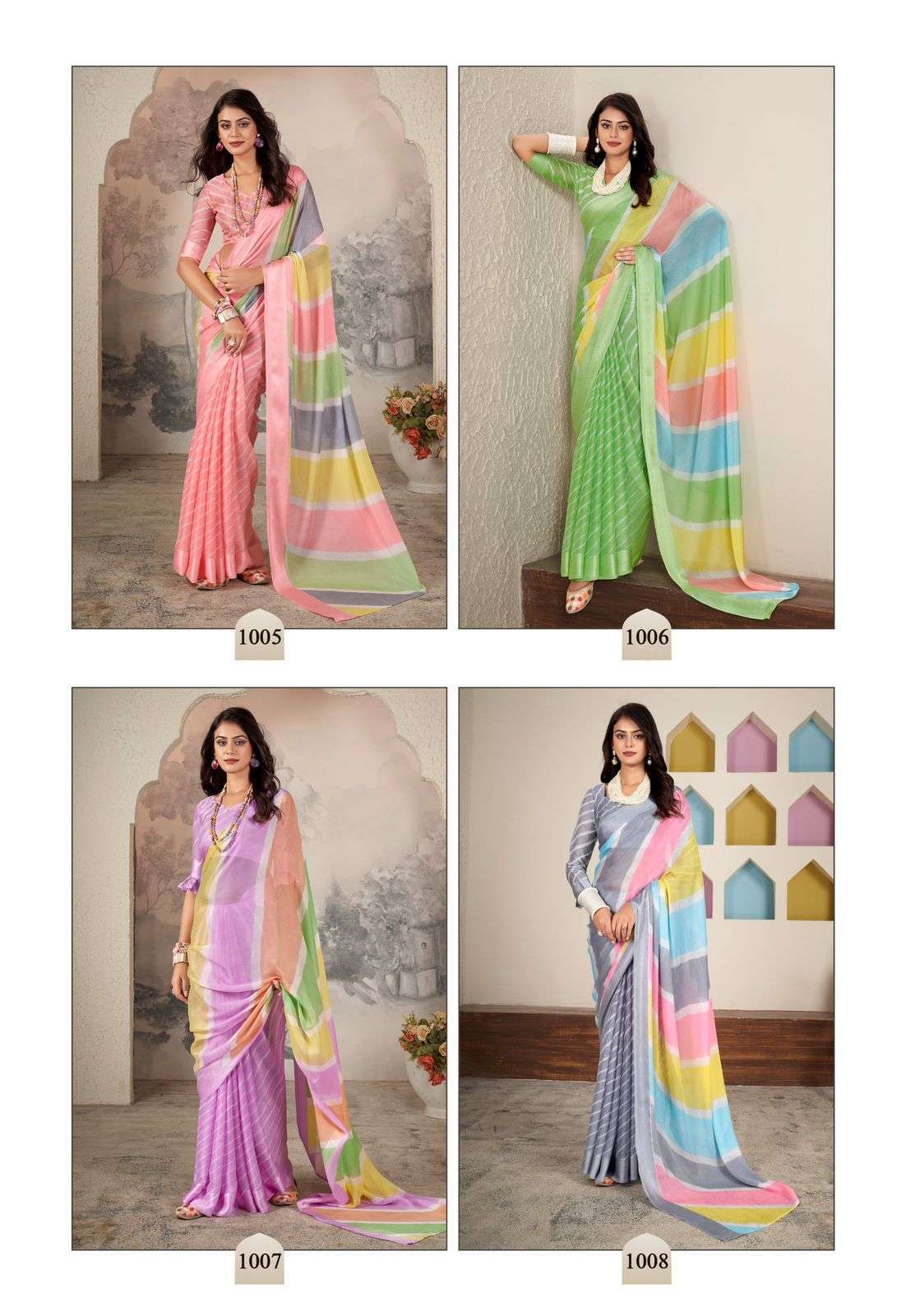
- Sarees
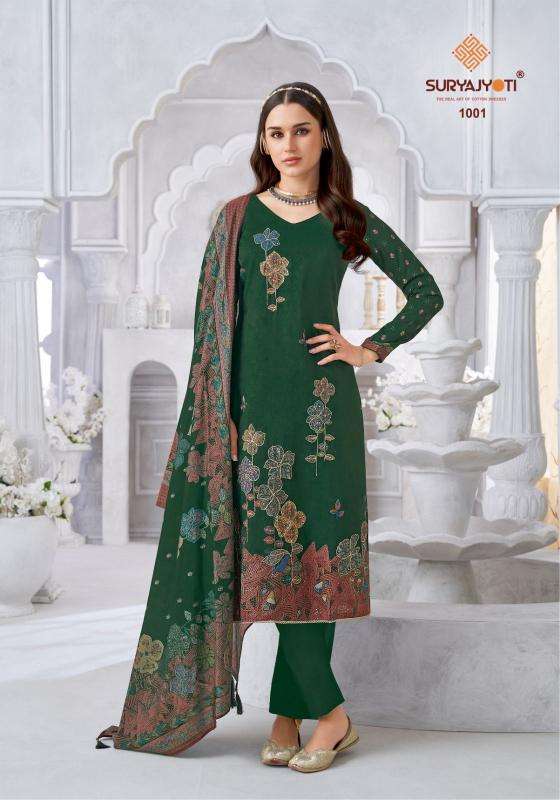
- Dress materials
- Tops
- Tunics
- Co-ord sets
- Ethnic wear
- Ready-made garments
For example, if your customers frequently purchase Indian ethnic wear, increasing your selection of wholesale kurtis and sarees may produce better results than buying unfamiliar products at a lower price.
You can explore wholesale kurtis from India and other wholesale clothing categories through KapdaWholesale.com.
3. Compare the Total Cost, Not Just the Product Price
A product priced at ₹300 is not necessarily cheaper than a product priced at ₹330.
Consider the complete landed cost:
Landed Cost = Product Cost + Shipping + Packaging + Duties/Taxes + Other Import Costs
For international buyers, shipping and import-related expenses can significantly affect the final cost.
Before placing a bulk order, calculate your approximate landed cost per item.
Example
Suppose:
- Product price = ₹300
- Shipping and other costs = ₹60
- Total landed cost = ₹360
If you can sell the product for ₹650, your gross margin before other business expenses is approximately ₹290 per item.
Understanding this calculation helps you make smarter buying decisions.
4. Buy in the Right Quantity
Buying larger quantities can sometimes provide better wholesale pricing, but buying too much inventory can create another problem: unsold stock.
A good strategy is to increase quantities gradually.
Start by identifying:
- Your best-selling designs
- Popular colors
- Popular sizes
- Seasonal demand
- Customer preferences
- Average monthly sales
Once you know which products sell consistently, you can increase your purchasing quantity.
This approach can help you benefit from bulk pricing without unnecessarily locking up your working capital.
5. Negotiate Based on Volume
Wholesale suppliers generally understand that serious B2B buyers are looking for competitive pricing.
Instead of simply asking, “What is your lowest price?”, discuss your expected order volume.
For example:
“If I purchase 100 pieces, what price can you offer?”
Then compare it with:
“What would be the price for 250 or 500 pieces?”
This helps you understand how quantity affects your purchasing cost.
However, always ensure that the additional quantity is justified by expected sales.
6. Focus on Fast-Moving Products
Higher margins are useful, but fast inventory turnover can be even more important.
Imagine two products:
Product A
- Cost: ₹400
- Selling price: ₹800
- Profit: ₹400
- Takes 90 days to sell
Product B
- Cost: ₹350
- Selling price: ₹650
- Profit: ₹300
- Sells within 30 days
Product B may generate more efficient use of your working capital because you can potentially reinvest the money more quickly.
Therefore, look at both profit per item and inventory turnover.
7. Buy Seasonal Clothing Strategically
Fashion demand changes throughout the year.
Depending on your market, customers may look for:
- Festive ethnic wear
- Cotton clothing during warmer months
- Lightweight dresses
- Sarees for special occasions
- Kurtis for everyday wear
- Partywear collections
- Winter clothing
Planning purchases ahead of the season can help you secure suitable inventory before demand peaks.
Check wholesale sarees from India when planning ethnic and festive collections.
8. Consider Fabric and Product Quality
Cheap clothing can become expensive if customers return it because of poor quality.
Before purchasing large quantities, evaluate:
- Fabric feel
- Stitching
- Print quality
- Color consistency
- Embroidery
- Finishing
- Size accuracy
- Packaging
Good quality can support a higher retail price and improve customer satisfaction.
This is especially important for boutique owners who depend heavily on repeat customers.
9. Use a Product Mix Instead of Buying Only One Category
A strong wholesale buying strategy often includes a balanced product mix.
For example, a boutique might stock:
- 30% kurtis
- 25% sarees
- 20% dress materials
- 15% tops and tunics
- 10% seasonal or experimental products
The exact percentages should depend on your customer demand.
Explore wholesale dress materials if dress materials are popular with your target customers.
The purpose of a product mix is to reduce dependence on a single category.
10. Calculate Your Target Margin Before Buying
Never purchase large quantities without knowing your expected selling price.
Use this basic calculation:
Gross Profit = Selling Price − Landed Cost
And:
Gross Margin % = (Gross Profit ÷ Selling Price) × 100
Example
If your landed cost is ₹400 and your selling price is ₹800:
Gross profit = ₹800 − ₹400 = ₹400
Gross margin = ₹400 ÷ ₹800 × 100 = 50%
Your actual net profit will be lower after expenses such as rent, employees, advertising, payment processing, returns, and other business costs.
11. Avoid Overstocking
Overstock is one of the biggest threats to retail profitability.
Fashion trends can change quickly. A product that sells well today may become less attractive later.
To reduce overstock:
- Monitor sales regularly
- Reorder successful products
- Avoid excessive quantities of untested designs
- Track slow-moving inventory
- Run promotions on older stock
- Test new styles before large purchases
A smaller quantity of proven products can sometimes be more profitable than a warehouse full of slow-moving inventory.
12. Build a Long-Term Supplier Relationship
A reliable supplier relationship can become a major competitive advantage.
Once you find a supplier who consistently delivers good products, communicate your requirements clearly.
Discuss:
- Preferred categories
- Price expectations
- Product quality
- Packaging requirements
- Order quantities
- Shipping preferences
- New collection updates
Long-term B2B relationships can make purchasing more efficient and help you understand upcoming collections.
13. Source Directly from India When Suitable
India is a major sourcing destination for ethnic wear and women's fashion.
Surat, in particular, is well known for its textile and clothing industry.
Buying directly from an Indian wholesale supplier can potentially reduce unnecessary intermediary costs and give retailers access to a broader selection of Indian fashion.
If you are new to sourcing from India, read our guide on how to buy wholesale Indian clothing online from Surat.
14. Understand International Shipping Costs
For international buyers, the product price is only one part of the purchasing decision.
Before ordering, consider:
- Shipping charges
- Destination-country duties
- Taxes
- Customs procedures
- Currency conversion
- Payment fees
- Local delivery charges
Ask your supplier about available shipping options and make sure you understand the expected costs before confirming your order.
KapdaWholesale.com serves buyers looking for wholesale Indian clothing with international sourcing needs.
15. Compare Suppliers Carefully
Don't choose a supplier based only on the cheapest quotation.
Create a simple comparison:
| Factor | Supplier A | Supplier B | Supplier C |
|---|---|---|---|
| Product price | ✓ | ✓ | ✓ |
| Quality | ✓ | ✓ | ✓ |
| Variety | ✓ | ✓ | ✓ |
| MOQ | ✓ | ✓ | ✓ |
| Shipping | ✓ | ✓ | ✓ |
| Communication | ✓ | ✓ | ✓ |
| Delivery reliability | ✓ | ✓ | ✓ |
The best supplier is usually the one that provides the strongest overall value, not necessarily the lowest unit price.
16. Use Internal Product Research Before Ordering
Before investing in a new category, research what your customers are already buying.
Look at:
- Your previous sales
- Customer requests
- Social media trends
- Competitor collections
- Seasonal demand
- Popular colors
- Popular sizes
- Price points
For example, if your customers prefer affordable everyday ethnic wear, you may want to focus on practical and easy-to-sell products rather than expensive occasionwear.
You can also explore Indian ethnic wear wholesale collections for ideas when planning your product range.
17. Don't Ignore Packaging and Delivery
Damaged products can reduce your profits even when the original buying price was excellent.
Ask about:
- Packaging quality
- Product protection
- Carton packing
- Shipping handling
- Dispatch timelines
- Tracking information
Reliable packaging becomes even more important when shipping clothing internationally.
18. Reinvest Your Profits Wisely
Once your business starts generating profits, avoid putting all your money into inventory.
A balanced strategy could include:
- Reordering best sellers
- Testing new products
- Marketing
- Website improvements
- Customer acquisition
- Emergency working capital
The objective is to create a cycle where good products generate sales, sales generate cash flow, and cash flow funds the next profitable purchase.
Best Wholesale Clothing Categories for Retailers
Retailers can consider several Indian fashion categories depending on their market.
Wholesale Kurtis
Kurtis are versatile products suitable for everyday wear, office wear, casual fashion, and ethnic styling.
Wholesale Sarees
Sarees can serve both everyday and occasionwear customers. Different fabrics, prints, and designs allow retailers to create varied collections.
Wholesale Dress Materials
Dress materials give customers flexibility and can work well in markets where customers prefer customized or traditional outfits.
Tops and Tunics
Tops and tunics can complement ethnic collections and attract customers looking for casual or fusion fashion.
Co-Ord Sets
Co-ord sets can provide a modern fashion option and are suitable for boutiques targeting trend-conscious customers.
How KapdaWholesale Can Help B2B Buyers
For retailers and boutique owners looking for Indian wholesale fashion, KapdaWholesale.com provides a B2B-focused platform for sourcing clothing from Surat, India.
The goal is to help buyers discover fashionable wholesale products suitable for resale.
You can explore:
- Wholesale clothing from India
- Wholesale kurtis
- Wholesale sarees
- Wholesale dress materials
- Indian ethnic wear
- Women's wholesale clothing
- Indian clothing supplier
- Surat wholesale clothing
- Wholesale clothing for boutiques
- Wholesale clothing for international buyers
- B2B clothing supplier India
- KapdaWholesale.com
Final Wholesale Clothing Buying Checklist
Before placing your next wholesale order, ask yourself:
☑ Is this product in demand?
☑ Is the quality suitable for my customers?
☑ Have I calculated the complete landed cost?
☑ Is my expected selling price realistic?
☑ What is my expected gross margin?
☑ Am I ordering the right quantity?
☑ Have I considered shipping and import costs?
☑ Is the supplier reliable?
☑ Do I have a plan for slow-moving stock?
☑ Can I reorder quickly if the product sells well?
Following this checklist can help retailers make better purchasing decisions and protect their profit margins.
Conclusion
Getting better prices and higher margins in the wholesale clothing business is not only about negotiating a lower purchase price. Successful retailers focus on product demand, quality, quantity, landed cost, inventory turnover, supplier reliability, and selling price.
For retailers, boutiques, resellers, and international buyers, sourcing directly from a reliable Indian wholesale clothing supplier can make the buying process more efficient.
If you are looking for Indian wholesale clothing from Surat, explore KapdaWholesale.com and build your next collection around products that match your customers' demand.
Contact KapdaWholesale
Website: www.kapdawholesale.com
WhatsApp / Phone: 8849410306
FAQs
1. How can I get better prices when buying wholesale clothing?
Buying suitable quantities, comparing suppliers, focusing on fast-moving products, and building long-term supplier relationships can help you achieve better purchasing prices.
2. What is the best way to improve wholesale clothing profit margins?
Focus on products with strong demand, control your landed costs, avoid overstocking, and choose selling prices that provide enough margin to cover your operating expenses.
3. Is buying wholesale clothing directly from India profitable?
It can be, depending on product demand, purchasing costs, shipping, import expenses, selling prices, and market conditions.
4. What wholesale clothing products sell well?
Popular categories can include kurtis, sarees, dress materials, tops, tunics, ethnic wear, and co-ord sets. Demand varies by market.
5. Why is Surat important for wholesale clothing?
Surat is a major textile and clothing manufacturing and trading hub in India, making it an important sourcing location for many types of Indian fashion.
6. How much wholesale clothing should a new retailer buy?
New retailers should generally avoid excessive inventory. Testing smaller quantities of selected products can help determine what sells before increasing order volumes.
7. What should I calculate before ordering wholesale clothing?
Calculate product cost, shipping, duties/taxes where applicable, payment fees, local delivery costs, and other expenses to estimate your landed cost.
8. Can international buyers purchase wholesale clothing from India?
Yes. International retailers and boutiques can source Indian wholesale clothing, but they should understand shipping, customs, taxes, currency conversion, and local import requirements.