
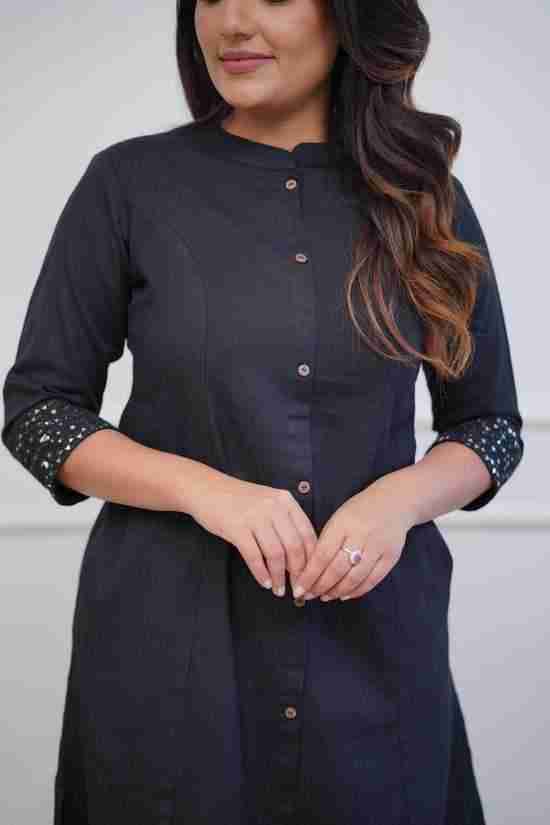

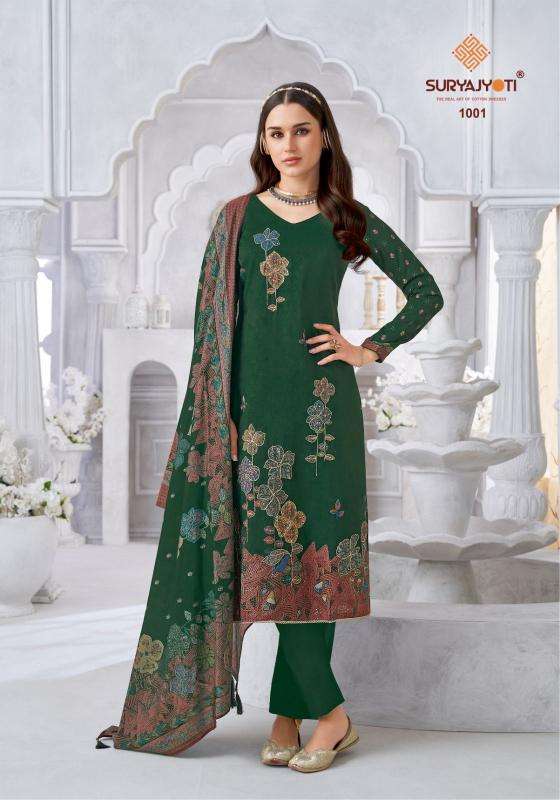
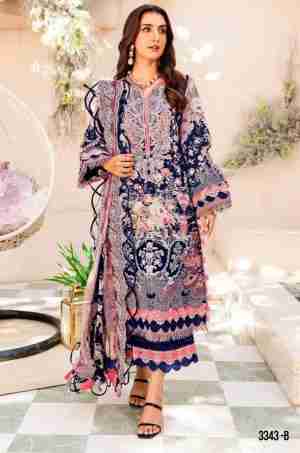



<h1><strong>Where Do Boutique Owners Buy Kurtis in Bulk? Best Wholesale Sourcing Guide 2026</strong></h1> <p>Boutique owners need more than attractive designs when purchasing inventory. They need dependable stock, competitive buying rates, fresh styles, practical minimum quantities and a supplier who can support repeat orders. For sellers building a profitable ethnic wear business, Surat has become an important sourcing destination because buyers can access everything from everyday kurtis and coordinated sets to premium festive styles through established wholesale channels.</p> <h2><strong>Introduction</strong></h2> <p>If you are planning to purchase <strong>kurtis in bulk</strong> for a boutique, retail shop, showroom, home-based business or online reselling store, supplier selection directly affects your margins. The right collection must look attractive to customers while leaving enough room between the wholesale <strong>price</strong> and your retail selling price.</p> <p>In 2026, boutique purchasing has also become faster. Owners no longer need to travel to a textile market every time they want fresh inventory. They can check catalogs online, shortlist styles, confirm availability and place wholesale orders remotely. This is particularly useful for buyers located outside Gujarat and international businesses that source Indian ethnic wear for resale.</p> <p>Many buyers asking <strong>where do boutique owners buy kurtis in bulk</strong> eventually explore Surat because of its large textile trading and <strong>manufacturing</strong> ecosystem. Areas around the <strong>surat textile market</strong>, <strong>Ring Road</strong> and <strong>Sahara Darwaza</strong> connect buyers with manufacturers, wholesalers, distributors and suppliers dealing in women's fashion.</p> <p>Kapdawholesale.com helps make this sourcing process accessible online. Instead of depending only on a physical market visit, boutique owners can explore available wholesale collections and select products according to their customer base, selling season and purchasing budget.</p> <h2><strong>Why Boutique Owners Buy Kurtis from Surat Wholesalers</strong></h2> <p>Surat's biggest advantage for a boutique buyer is variety. A single boutique may have customers looking for office wear, casual kurtis, festive pieces, party wear, plus-size styles and complete kurti sets. Purchasing all of these categories from retail-level sources can reduce profit margins considerably.</p> <p>Buying through a <strong>kurti wholesaler in Surat</strong> gives retailers access to products intended specifically for resale. Wholesale sourcing can provide better purchasing economics, wider catalog selection and opportunities to reorder according to availability.</p> <h3><strong>Wholesale Price Helps Protect Retail Margins</strong></h3> <p>A boutique earns from the difference between its complete landed product cost and final selling price. This makes wholesale purchasing essential for sellers who want sustainable margins rather than simply increasing sales volume.</p> <p>Suppose two visually similar products are available through different sourcing channels. If one is purchased at a genuine wholesale rate while the other passes through several intermediaries, the boutique may have considerably more pricing flexibility with the first option.</p> <p>That flexibility becomes valuable during promotions, customer negotiations, seasonal clearance and reseller orders. Boutique owners should therefore compare fabric, workmanship, quantity and product specifications along with the quoted price rather than selecting inventory purely because one catalog appears cheaper.</p> <h3><strong>Fresh Designs Help Boutiques Keep Customers Interested</strong></h3> <p>Repeat customers expect something new when they revisit a boutique. Displaying the same products for several months can reduce excitement, particularly when customers are regularly seeing new ethnic wear trends on Instagram, WhatsApp and other digital channels.</p> <p>Regular wholesale sourcing enables boutiques to rotate inventory with <strong>latest kurti designs</strong>, kurti pant sets, embroidered kurtis, straight-cut styles, printed designs, festive pieces and seasonal collections.</p> <p>Instead of purchasing extremely large quantities of one design, many boutique owners create a mixed inventory. This gives customers more choices and allows the seller to identify which fabrics, silhouettes, colours and price ranges perform best.</p> <h3><strong>Ready Stock Can Make Reordering Faster</strong></h3> <p>A design may suddenly start selling after a boutique posts a reel or sends a catalog through WhatsApp. When that happens, the ability to reorder available stock can be more valuable than saving a small amount on a product with a long production schedule.</p> <p><strong>Ready stock kurtis wholesale</strong> can therefore be useful for online sellers and boutiques working with fast-moving demand. Buyers should still confirm current stock before accepting large customer orders because fashionable designs can sell out quickly.</p> <h2><strong>What Types of Kurtis Do Boutique Owners Buy in Bulk?</strong></h2> <p>The best inventory mix depends on the boutique's customer profile. A shop serving working women may require a very different assortment from a boutique focused on weddings and festive fashion. Experienced buyers generally create a combination of regular-selling products and visually stronger fashion pieces.</p> <h3><strong>Daily Wear Kurtis Wholesale</strong></h3> <p><strong>Daily wear kurtis wholesale</strong> can provide consistent turnover because customers can purchase them throughout the year. Comfortable fabrics, wearable colours, straightforward silhouettes and practical pricing make these products suitable for regular use.</p> <p>Cotton kurtis, rayon kurtis, printed kurtis, straight-cut designs and simple kurti-pant combinations can work well for shops serving office-going customers, college students and women seeking casual ethnic clothing.</p> <h3><strong>Kurti Pant Sets in Bulk</strong></h3> <p>Complete coordinated sets have become an important part of modern ethnic retail. Customers appreciate receiving a ready combination rather than separately matching a kurti with bottoms.</p> <p><strong>Kurti pant set wholesale</strong> collections can include straight pants, palazzos, trousers or other coordinated bottoms. Some designs may also include dupattas, creating a more complete three-piece presentation.</p> <p>For boutique owners, sets can create a higher perceived value than a standalone kurti. The final purchasing decision should consider the complete product contents, fabric, size range and finishing.</p> <h3><strong>Designer and Embroidered Kurtis</strong></h3> <p>Premium boutiques can maintain selected <strong>designer kurtis wholesale</strong> inventory for customers seeking something beyond basic everyday clothing. Embroidery, decorative necklines, lace details, distinctive sleeves, textured fabrics and contemporary cuts can support a stronger retail presentation.</p> <p>These products may have a higher wholesale cost, but boutiques should evaluate potential retail value rather than comparing them directly with basic printed kurtis.</p> <h3><strong>Festive and Party Wear Kurtis</strong></h3> <p>Festivals, weddings and family functions create demand for richer ethnic styles. Boutique owners can prepare for these periods by sourcing festive kurti sets, embellished styles, embroidered pieces and premium fabrics before demand reaches its peak.</p> <p>Early buying is particularly useful for sellers outside Surat because it gives them time for shipping, photography, social-media promotion and customer pre-booking.</p> <h3><strong>Plus Size Kurtis Wholesale</strong></h3> <p>Size inclusivity can expand a boutique's potential customer base. Rather than limiting inventory to a narrow size range, sellers can evaluate <strong>plus size kurtis wholesale</strong> collections where available.</p> <p>Buyers should confirm the actual size chart instead of assuming that sizing is identical across all manufacturers. Accurate measurements are especially important for online boutiques because customers cannot physically try products before ordering.</p> <img src="https://kapdawholesale.com/images/product/2025/02/ginni-vol-03-readymade-salwar-kameez-wholesaller-in-india-2025-02-13_16_09_09.jpg"/> <h2><strong>Where Do Boutique Owners Buy Kurtis in Bulk Online?</strong></h2> <p>Boutique owners who cannot visit Surat frequently can now source through online wholesale platforms. This purchasing model is especially useful for businesses located in other states because it reduces repeated travel while providing access to changing catalogs.</p> <p>Kapdawholesale.com gives wholesale buyers an online route for exploring ethnic fashion collections. A boutique owner can shortlist products according to style, expected customer demand and budget before confirming the order.</p> <p>Online wholesale sourcing is also useful for home-based sellers. A seller can operate through WhatsApp, Instagram, Facebook or an independent website without maintaining a traditional physical showroom. With the right inventory strategy, new arrivals can be marketed digitally as soon as they become available.</p> <h3><strong>Buy Kurtis Wholesale Online for Resale</strong></h3> <p>When buyers <strong>buy kurtis wholesale online</strong>, product selection should still follow the same discipline as physical market purchasing. Check the catalog carefully, understand what is included, confirm sizes and verify current availability before making commitments to customers.</p> <p>It is also sensible to build gradually with a supplier. A new boutique can first understand product quality, communication and customer response, then increase order quantities for styles that consistently sell.</p> <h3><strong>Wholesale Kurtis for Resellers</strong></h3> <p>Resellers have slightly different inventory needs from large showrooms. Many need fresh designs frequently because their customers primarily discover products through digital catalogs and social posts.</p> <p><strong>Wholesale kurtis for resellers</strong> should therefore combine attractive presentation, workable buying prices and sufficient demand potential. Fast-moving stock is generally more useful than purchasing a large amount of inventory simply to achieve the lowest possible per-piece cost.</p> <h2><strong>How Boutique Owners Choose a Reliable Kurti Supplier</strong></h2> <p>Finding products is easy; finding a supplier suitable for repeated wholesale purchasing requires more attention. A boutique should evaluate a supplier over multiple factors rather than making a decision from one attractive catalog.</p> <h3><strong>Product Quality</strong></h3> <p>Customers associate the product they purchase with the boutique, not with the upstream wholesaler. Poor stitching, inconsistent fabric or weak finishing can therefore damage the retailer's reputation.</p> <p>Premium product quality does not necessarily mean purchasing only expensive garments. It means receiving a product whose fabric, finishing and overall presentation are appropriate for its stated category and price point.</p> <h3><strong>Wholesale Pricing</strong></h3> <p>Pricing needs to leave sufficient room for the boutique's expenses and profit. The cheapest supplier is not automatically the most useful if the products are difficult to sell or generate customer complaints.</p> <p>Buyers should compare the overall commercial value: product quality, design, quantity, available sizes, shipping and potential selling price.</p> <h3><strong>Regular New Arrivals</strong></h3> <p>A supplier offering regular new catalogs gives retailers more opportunities to refresh their inventory. This matters in 2026 because fashion discovery moves quickly through reels, short videos and messaging platforms.</p> <p>Fresh stock can also provide new marketing material. Every new catalog gives a boutique another reason to contact existing customers and encourage repeat purchases.</p> <h3><strong>Wholesale and Export Experience</strong></h3> <p>Vastralife brings wholesale and <strong>export</strong> experience since 2017, along with practical industry expertise in serving retailers, resellers and wholesale buyers. This experience is relevant when businesses require repeated sourcing rather than a one-time retail transaction.</p> <p>For international buyers, experience with wholesale trade can also help make discussions around product selection, quantities, packing and shipping more structured. Destination-specific customs and import requirements should always be confirmed for each order.</p> <h2><strong>How Much Stock Should a Boutique Buy?</strong></h2> <p>There is no single quantity that works for every boutique. A newly launched home-based seller may need a smaller assortment, while an established showroom can purchase much deeper inventory.</p> <p>A useful approach is to divide purchasing capital between proven products and new experiments. Fast-moving categories can receive a larger allocation, while trend-led products can initially be tested in controlled quantities.</p> <p>This reduces the risk of locking too much cash into one collection. It also gives boutique owners the flexibility to purchase fresh stock when an unexpected trend begins performing strongly.</p> <p>MOQ should therefore be evaluated alongside inventory turnover. The goal is not simply to obtain the lowest wholesale price; it is to purchase a quantity that can realistically be sold within a healthy timeframe.</p> <p>For boutique owners still researching <strong>where do boutique owners buy kurtis in bulk</strong>, this combination of supplier quality, product variety, ready stock and purchasing flexibility is more useful than judging a source on price alone.</p>
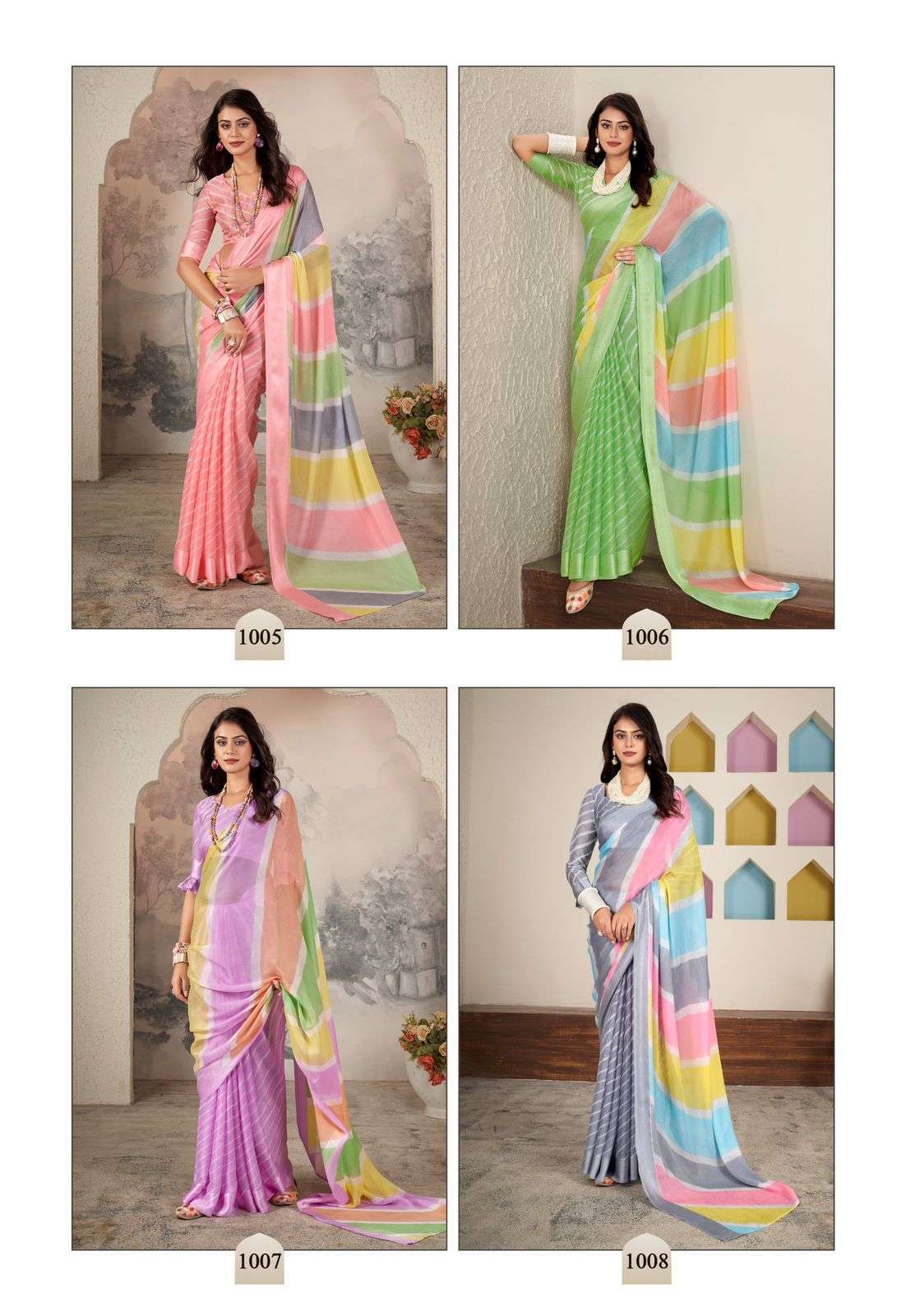
<p>For larger boutiques, the same principle can be applied at category level. Instead of investing the complete buying budget in one type of kurti, stock can be divided across everyday styles, premium pieces, coordinated sets, festive collections and selected trend-led products. This creates more selling opportunities without making the boutique dependent on a single fashion cycle.</p> <h2><strong>Best Wholesale Buying Strategy for Boutique Owners in 2026</strong></h2> <p>Wholesale purchasing works best when it is connected to actual sales data. Boutique owners should regularly identify which sizes, fabrics, colours, silhouettes and price ranges are moving fastest. Future orders can then be based on customer behaviour rather than guesswork.</p> <h3><strong>Keep Core Bestsellers in Regular Rotation</strong></h3> <p>Every boutique eventually develops a few dependable categories. These may include cotton kurtis, straight kurtis, kurti-pant sets, printed ethnic wear or embroidered pieces. When customers repeatedly purchase a category, maintaining fresh options within that segment can create more predictable turnover.</p> <p>This does not mean repeatedly buying the same design. Instead, retain the successful product concept while introducing new prints, colours and patterns. A boutique known for attractive everyday kurtis, for example, can continue serving that customer base while refreshing the designs regularly.</p> <h3><strong>Test Fashion Trends Before Buying Deep Stock</strong></h3> <p>Fashion trends can create excellent selling opportunities, but they can also change quickly. A design performing strongly on social media does not automatically guarantee the same response from every boutique's customers.</p> <p>New styles can first be purchased in manageable quantities. If inquiries, bookings and actual sales remain strong, the boutique can reorder or purchase similar catalogs. This approach protects working capital while allowing the business to participate in new trends.</p> <h3><strong>Buy Festive Inventory Before Peak Demand</strong></h3> <p>Festive purchasing should be planned early enough to allow for dispatch, merchandising and customer promotion. Retailers who purchase only when a festival is very close may have less time to sell the stock at full value.</p> <p>Planning ahead also allows online boutiques to photograph products, create reels, circulate WhatsApp catalogs and accept customer inquiries before the strongest buying period begins.</p> <h2><strong>Wholesale Kurtis for Home-Based Sellers and Online Boutiques</strong></h2> <p>Home-based fashion businesses have changed the traditional wholesale market. A seller no longer necessarily needs an expensive retail location to begin selling ethnic wear. Products can be marketed through WhatsApp Business, Instagram, Facebook, an e-commerce website or an existing customer network.</p> <p>For these sellers, the ability to purchase <strong>kurtis in bulk</strong> at wholesale rates can create a more practical business model than purchasing individual pieces at retail prices.</p> <p>Home-based sellers can begin with a curated assortment and reinvest sales into new stock. As customer demand becomes clearer, the business can gradually increase order quantities in proven categories.</p> <h3><strong>Use New Arrivals as Marketing Content</strong></h3> <p>Every new wholesale catalog can become promotional content. Sellers can create product posts, WhatsApp status updates, reels and customer broadcasts around newly arrived designs.</p> <p>This gives buyers a reason to keep checking the boutique rather than waiting for a major sale. Regular arrivals can be especially effective when accompanied by clear information about fabric, sizes, product contents and selling price.</p> <h3><strong>Choose Products with a Clear Resale Audience</strong></h3> <p>A beautiful product is not automatically the right product for every seller. Before buying, consider whether it suits your customer's age group, budget, climate and typical use.</p> <p>A seller whose customers mainly purchase affordable everyday ethnic wear may achieve better turnover from practical kurti sets than heavily embellished occasion pieces. A premium boutique may have exactly the opposite requirement.</p> <img src="https://kapdawholesale.com/images/product/2025/02/bunawat-chandani-vol-4-party-wear-fancy-organza-sarees-collection-2025-02-13_16_06_13.jpg" /> <h2><strong>Expand Beyond Kurtis with Complementary Ethnic Wear</strong></h2> <p>Once a boutique has developed a reliable kurti customer base, complementary categories can increase the average value of each customer relationship. A shopper who visits for a kurti may also be interested in a coordinated set, gown, festive outfit, saree or other women's ethnic fashion.</p> <p>Retailers looking to broaden their assortment can explore <a href="https://www.kapdawholesale.com/ethnic-wear">ethnic wear</a> according to their customer segment. Boutiques serving occasion and festive customers can also evaluate <a href="https://www.kapdawholesale.com/gowns-wholesaler-in-surat">wholesale gowns in Surat</a> as a complementary category.</p> <p>Diversification should remain controlled. It is generally more effective to introduce a few carefully selected products and measure demand than to invest heavily in many unrelated categories at once.</p> <h3><strong>Create a Good-Better-Premium Product Mix</strong></h3> <p>A boutique can serve a wider range of customers by maintaining products at different buying and selling levels. Entry-level products can attract price-sensitive shoppers, mid-range collections can form the core inventory, and premium pieces can serve customers seeking stronger designs and detailing.</p> <p>This strategy also prevents the business from becoming known only for the cheapest products. Customers can choose according to their budget while the boutique retains opportunities for higher-value sales.</p> <h2><strong>Buying Kurtis from Surat for International Resale</strong></h2> <p>Indian ethnic fashion also has demand outside India, particularly among diaspora communities and customers interested in South Asian clothing. Wholesale buyers in countries such as <strong>USA, Australia and Nepal</strong> can evaluate Surat collections for resale according to local demand.</p> <p>International sourcing requires additional planning compared with domestic purchasing. Buyers should consider product value, freight, packing, applicable taxes, customs procedures and destination-specific import rules before confirming an order.</p> <p>Shipping cost per piece can also change depending on shipment size. International wholesale buyers should therefore calculate the landed cost rather than comparing only the Indian wholesale price.</p> <h3><strong>Select Products According to the Destination Market</strong></h3> <p>The same inventory strategy does not necessarily work in every country. Climate, festival calendar, customer demographics and local retail pricing can influence what sells.</p> <p>For example, an overseas boutique may require a mix of daily ethnic clothing and premium festive products for Diwali, Navratri, weddings and community events. Buyers should use their own sales history to determine the appropriate balance.</p> <h3><strong>Plan Export Orders Earlier</strong></h3> <p>International buyers should allow additional time for packing, transportation, customs processing and local delivery. Seasonal inventory is therefore best ordered with a practical buffer rather than immediately before the intended selling period.</p> <p>Vastralife's wholesale and export experience since 2017 provides industry familiarity with the needs of buyers sourcing Indian women's fashion for resale. Actual shipping arrangements and destination requirements should be confirmed at the time of each order.</p> <h2><strong>Why Surat Textile Market Remains Important for Boutique Sourcing</strong></h2> <p>The <strong>surat textile market</strong> has developed a broad ecosystem around fabric, garment production, trading and wholesale distribution. Locations around <strong>Ring Road</strong> and <strong>Sahara Darwaza</strong> are familiar sourcing areas for textile buyers visiting the city.</p> <p>This concentration of manufacturing and wholesale activity gives retailers access to numerous styles and price segments. Digital wholesale platforms now extend that access to businesses that cannot physically visit Surat for every purchase.</p> <p>For a boutique owner, the advantage is not simply the number of products available. The larger benefit is the ability to continually refresh inventory as new catalogs enter the market.</p> <h2><strong>Internal Linking Section for Boutique Wholesale Buyers</strong></h2> <p>When building a complete boutique assortment, start with categories that already have proven customer demand and then expand gradually. Everyday kurtis can create regular turnover, while premium ethnic styles can support festive and occasion-based sales.</p> <p>Kapdawholesale.com can be used to explore available wholesale fashion collections and identify products suited to different resale requirements. Buyers should confirm current availability, quantity and relevant ordering terms before finalizing purchases because fast-moving designs may change frequently.</p> <p>A structured buying approach also helps boutique owners avoid unnecessary dead stock. Record which catalogs sell fastest, which price bands generate the best response and which sizes require frequent replenishment. Over several buying cycles, these records can become one of the most useful tools for improving profitability.</p> <h2><strong>Customer FAQs</strong></h2> <h3><strong>1. Where do boutique owners buy kurtis in bulk?</strong></h3> <p>Boutique owners commonly source bulk kurtis from manufacturers, wholesale suppliers and major textile hubs such as Surat. Online wholesale sourcing through platforms such as kapdawholesale.com also allows buyers to explore collections without travelling to the physical market for every order.</p> <h3><strong>2. Can I buy wholesale kurtis online for my boutique?</strong></h3> <p>Yes. Boutique owners, resellers, home-based sellers and shop owners can purchase wholesale fashion online according to the supplier's current stock and order conditions. Check fabric, sizes, quantity, price, shipping and product details before confirming an order.</p> <h3><strong>3. Is Surat a good place to buy kurtis wholesale?</strong></h3> <p>Surat has a large textile and garment trading ecosystem with extensive manufacturing and wholesale activity. It is therefore an important sourcing location for retailers looking for women's ethnic wear, dress materials, kurtis and related fashion categories.</p> <h3><strong>4. What type of kurtis should a new boutique purchase?</strong></h3> <p>A new boutique can start with a balanced mix based on its target customer. Everyday printed kurtis, straight styles, kurti-pant sets and selected festive products can provide variety. The exact selection should depend on local demand, customer budget and season.</p> <h3><strong>5. How many kurtis should I buy for my first wholesale order?</strong></h3> <p>The quantity should depend on your available working capital, supplier MOQ and expected sales. New sellers can avoid putting their entire budget into one design. A mixed assortment provides a better opportunity to learn which products customers actually prefer.</p> <h3><strong>6. Can home-based resellers purchase kurtis at wholesale prices?</strong></h3> <p>Yes. Home-based sellers can operate a wholesale-to-retail model using social media, WhatsApp and other digital channels. The important factors are purchasing at workable rates, selecting sellable products and managing stock carefully.</p> <h3><strong>7. Can international boutiques order ethnic wear from Surat?</strong></h3> <p>International wholesale orders may be possible depending on the destination and supplier arrangements. Buyers should confirm freight, customs, import requirements, product quantities and payment terms before ordering. Calculating the final landed cost is particularly important for export orders.</p> <h3><strong>8. How can a boutique increase profit on wholesale kurtis?</strong></h3> <p>Profit can improve through better buying rather than simply increasing the retail markup. Purchase products that match customer demand, control dead stock, reorder proven designs, calculate all costs and maintain a balanced mix of affordable and premium products.</p> <h3><strong>9. How often should a boutique add new kurti collections?</strong></h3> <p>The right frequency depends on sales volume. Some high-volume sellers need new arrivals frequently, while smaller boutiques can refresh inventory selectively. New stock should ideally be introduced when existing products are moving rather than according to an arbitrary schedule.</p> <h3><strong>10. What should I check before choosing a wholesale kurti supplier?</strong></h3> <p>Check product quality, current stock, wholesale pricing, MOQ, sizes, collection variety, dispatch terms and communication. For long-term sourcing, consistency across repeated orders is more valuable than choosing a supplier based on one inexpensive catalog.</p> <h2><strong>Turn Wholesale Buying into a Repeatable Boutique System</strong></h2> <p>The answer to <strong>where do boutique owners buy kurtis in bulk</strong> is ultimately connected to how the boutique intends to sell. A physical showroom, Instagram boutique, home-based reseller and international retailer can all require different product mixes even when they source from the same wholesale market.</p> <p>Successful buying therefore starts with the customer. Identify what people are already purchasing, source similar products with fresh designs, monitor sales and reorder according to real demand.</p> <p>As the business grows, the purchasing system can become more structured. Core products can be replenished regularly, seasonal inventory can be planned in advance and experimental fashion trends can be tested without putting excessive capital at risk.</p> <p>That discipline can turn wholesale sourcing from a simple buying activity into an important competitive advantage for the boutique.</p> <h2><strong>Buy Wholesale Kurtis and Ethnic Wear from Kapdawholesale.com</strong></h2> <p>If you are a boutique owner, home-based seller, shop owner, showroom owner, reseller or wholesale buyer looking for fresh Indian ethnic fashion, explore the available collections on <strong>kapdawholesale.com</strong>.</p> <p>Get access to <strong>Latest Collections</strong>, competitive <strong>Wholesale Pricing</strong>, <strong>Trendy Ethnic Wear</strong>, <strong>Fast Shipping</strong>, applicable <strong>COD Support</strong>, <strong>Bulk Order Deals</strong> and <strong>Quality Products Starting From ₹299</strong>.</p> <p>Whether you are purchasing your first wholesale catalog or replenishing inventory for an established boutique, choose products according to your customers, expected retail price and realistic stock turnover. Premium product quality, industry expertise and Vastralife's wholesale and export experience since 2017 support buyers looking to build a more consistent sourcing process.</p> <p><strong>Contact Number:</strong> +91 9712582172</p> <p><strong>Website:</strong> kapdawholesale.com</p>