



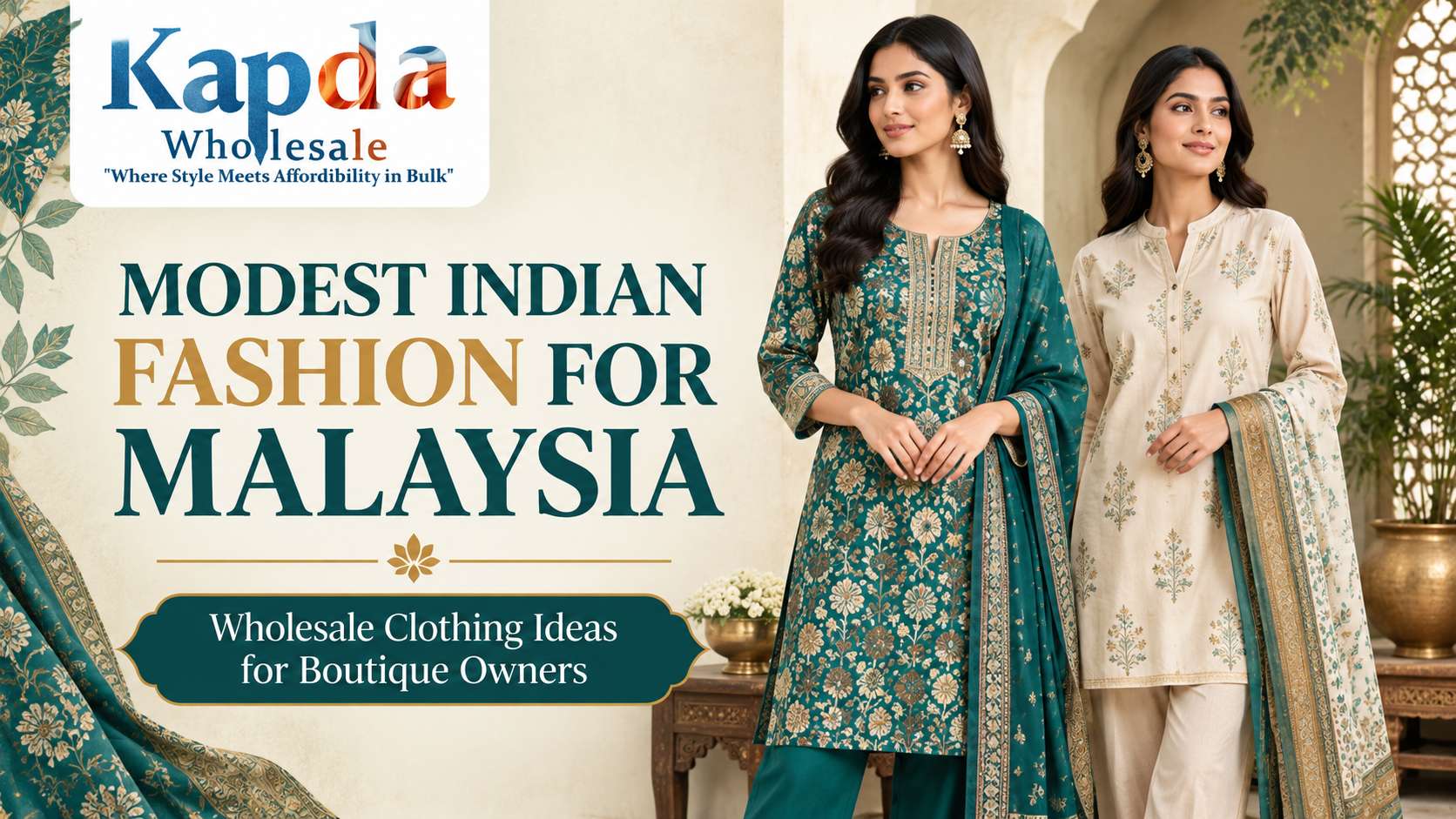
Modest Indian Fashion for Malaysia: Wholesale Clothing Ideas for Boutique Owners
Malaysian boutique owners and clothing retailers are always looking for attractive, comfortable, and versatile fashion products that suit their customers' preferences. Modest Indian fashion offers a wide variety of clothing options, including long kurtis, elegant tunics, lightweight sarees, coordinated outfits, and traditional dress materials.
For retailers who want to expand their collections, sourcing wholesale Indian clothing directly from Surat, India, can be an option worth exploring. Surat is known for its textile and garment trade, offering buyers a wide range of designs, fabrics, and price points.
KapdaWholesale.com helps international clothing buyers explore Indian wholesale fashion products, including kurtis, sarees, dress materials, tops, and tunics.
If you are planning to expand your boutique's collection, this guide explains which modest Indian fashion products to consider, how to evaluate quality, and what to check before placing a wholesale order.
Why Modest Indian Fashion Is Worth Exploring in Malaysia
Modest fashion includes clothing that offers comfortable coverage while allowing customers to express their personal style. Indian fashion provides many options, from everyday cotton kurtis to embroidered festive outfits.
Malaysian retailers can explore modest Indian clothing for several customer groups, including shoppers looking for everyday wear, office outfits, family gatherings, festive occasions, and traditional celebrations.
When selecting stock, consider:
- Comfortable fabrics suitable for warm and humid weather.
- Longer silhouettes and versatile designs.
- Attractive prints and coordinated colours.
- Different price points for different customer budgets.
- Traditional and contemporary styles.
- Product variety that suits your boutique's target audience.
Customer preferences differ by location and audience, so retailers should test demand instead of assuming every style will sell equally well.
1. Long Kurtis for Everyday and Office Wear
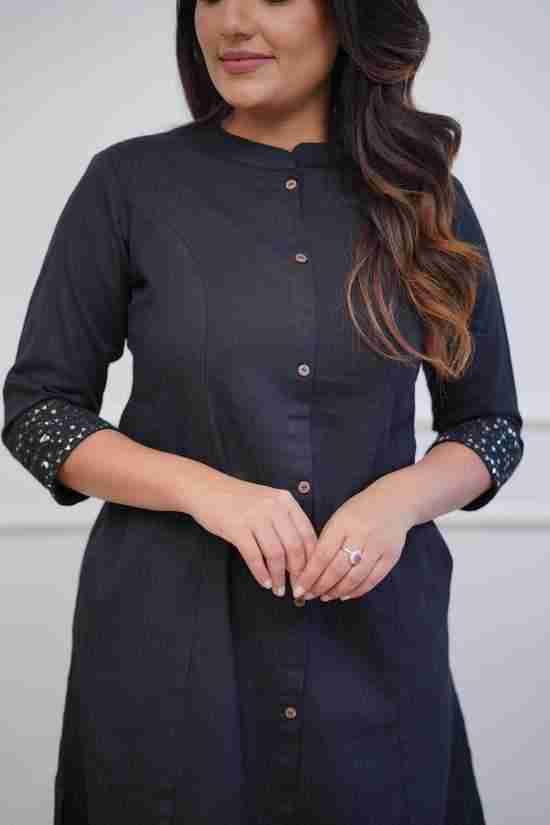
Long kurtis are a practical category to explore when building a modest fashion collection. Depending on the cut, fabric, and styling, they can work for everyday wear, casual outings, and some office settings.
Popular options to consider include:
- Printed cotton kurtis.
- Straight-cut long kurtis.
- A-line kurtis.
- Three-quarter-sleeve styles.
- Minimal embroidered designs.
- Neutral colours and versatile everyday prints.
Retailers should compare fabric quality, sizing consistency, stitching, and garment length before ordering.
Explore available styles through the KapdaWholesale.com website.
2. Modest Tunics for Contemporary Boutiques
Tunics offer flexibility for customers who prefer contemporary clothing with comfortable coverage. They can be styled with trousers, leggings, or other suitable bottoms.
Consider stocking:
- Long printed tunics.
- Straight-fit tunics.
- Floral designs.
- Minimal everyday styles.
- Dressy tunics for special occasions.
When selecting tunics, check garment measurements carefully. Terms such as “long” or “modest fit” can mean different things across suppliers, so actual measurements are more useful than product names alone.
Browse the available KapdaWholesale.com collections to explore Indian clothing options for your retail business.
3. Lightweight Cotton Clothing for Malaysia's Climate
Malaysia's warm and humid climate makes fabric comfort an important consideration for many shoppers.
Boutique owners can explore lightweight cotton garments and other breathable fabric options, while checking the actual composition of each product.
Useful options may include:
- Cotton kurtis.
- Lightweight printed tunics.
- Casual tops.
- Loose-fit everyday garments.
- Soft, easy-to-style clothing.
Before purchasing, confirm whether a product is pure cotton, a cotton blend, rayon, or another material. Ask about shrinkage, colourfastness, fabric thickness, and care instructions.
Do not rely on product photographs alone to judge fabric quality.
4. Elegant Sarees for Traditional and Festive Occasions
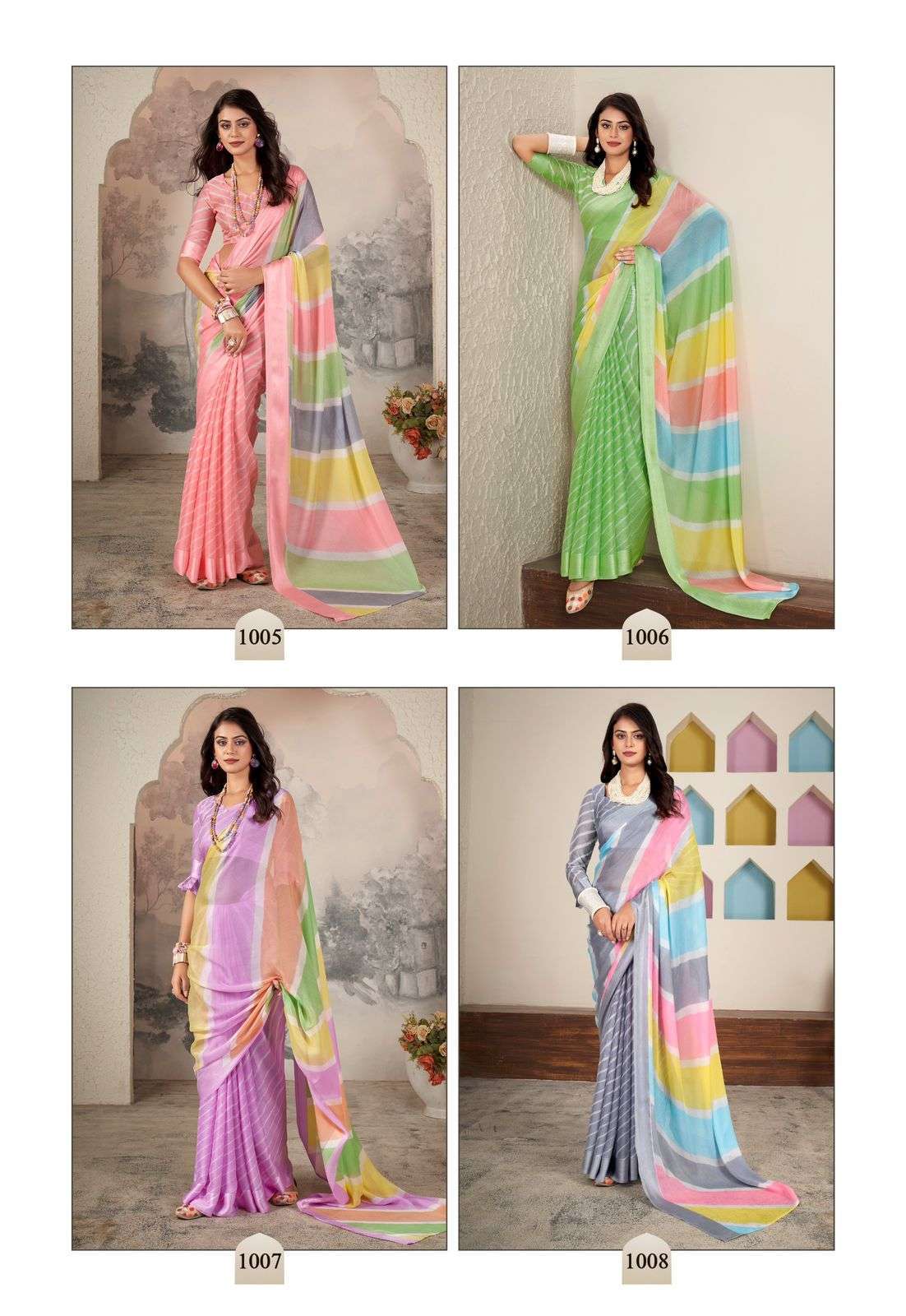
Sarees can add variety to a boutique's modest and traditional clothing selection. They may appeal to customers shopping for celebrations, family occasions, gifting, and cultural events.
Retailers can consider:
- Lightweight cotton sarees.
- Printed sarees.
- Chanderi-style sarees.
- Festive sarees.
- Embroidered designs.
- Contemporary colour combinations.
Product descriptions should clearly identify the fabric, included accessories, blouse-piece details where applicable, and care requirements.
For buyers interested in Indian saree collections, visit KapdaWholesale.com and check the products currently available.
5. Dress Materials for Customers Who Prefer Custom Styling
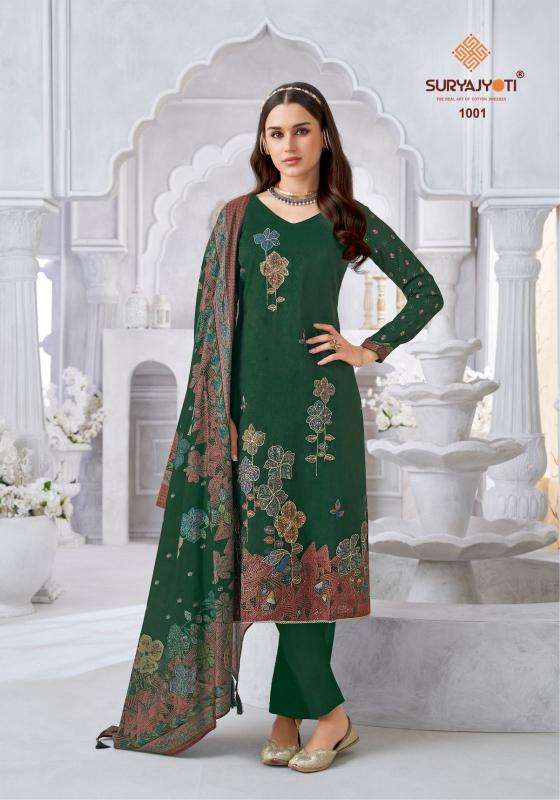
Dress materials provide another option for retailers serving customers who want to choose their preferred fit, length, or tailoring style.
Potential products include:
- Printed cotton dress materials.
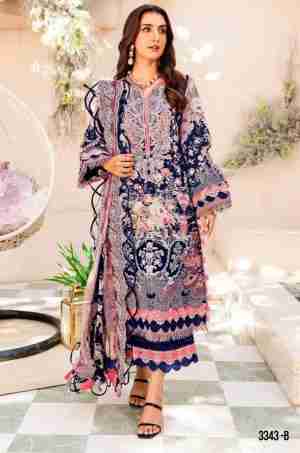
- Embroidered dress materials.
- Traditional Indian designs.
- Coordinated fabric sets.
- Festive dress material collections.
Before ordering, verify the fabric components, measurements, whether a dupatta is included, and whether the product is sold as a complete set.
Clear product information helps retailers explain the offering accurately to their customers.
6. Coordinated Sets and Matching Outfits
Co-ord sets and coordinated outfits can give a boutique a more contemporary selection alongside traditional Indian clothing.
Possible styles include matching tops and trousers, coordinated tunic sets, and colour-matched outfits.
When evaluating a set, check whether both pieces are included in the wholesale price. Confirm available sizes, fabric composition, colour options, and whether individual pieces can be purchased separately.
A balanced collection of traditional and contemporary garments can help retailers serve different shopping preferences.
7. How Malaysian Boutique Owners Can Choose the Right Wholesale Collection
A successful wholesale purchase starts with understanding your customers rather than ordering every available design.
Use this checklist before selecting products:
- Define your target customer. Consider age groups, style preferences, typical budgets, and the occasions your customers shop for.
- Choose a product mix. Consider everyday kurtis, tunics, sarees, dress materials, and selected festive designs.
- Check fabric and stitching. Request detailed product photos or videos and ask questions about construction and material.
- Confirm sizing. Request garment measurements and available size ranges.
- Compare prices carefully. Include shipping, import-related charges, packaging, and other applicable costs when calculating your expected landed cost.
- Check minimum order quantities. Confirm the supplier's minimum order requirements for each design or product category.
- Evaluate demand. Start with a manageable order where the supplier's terms allow it, then use customer feedback to guide future purchases.
8. How to Buy Wholesale Indian Clothing from Surat to Malaysia
Buying from an Indian supplier can give Malaysian retailers access to a broad range of designs. However, international orders require careful communication and planning.
Step 1: Explore the product range
Visit www.kapdawholesale.com to explore the website and available product categories.
Step 2: Request current product details
Ask for current stock availability, prices, fabric information, size details, product videos, and available colour options.
Step 3: Confirm wholesale terms
Before paying, verify the minimum order quantity, payment terms, dispatch timeline, and whether prices are quoted per piece, set, or pack.
Step 4: Confirm shipping to Malaysia
Request a shipping quotation and estimated delivery timeline. Clarify who handles customs documentation, import duties, taxes, and any applicable clearance fees.
Step 5: Review the order before payment
Confirm the item codes, quantities, sizes, colours, total product cost, shipping cost, and payment recipient. Keep written confirmation of the final order.
Step 6: Prepare for resale
Once the shipment arrives, inspect the garments, check quantities, document any discrepancies, and prepare accurate product descriptions for your customers.
For questions about current stock or ordering procedures, contact the supplier through the contact options published on KapdaWholesale.com.
9. How to Calculate Your Wholesale Clothing Profit
A wholesale price alone does not determine whether a product is profitable. Malaysian retailers should calculate the full landed cost before setting retail prices.
Include:
- Wholesale product cost.
- International shipping and insurance, where applicable.
- Import duties and taxes.
- Customs clearance and handling fees.
- Packaging and local delivery.
- Expected costs associated with defects or unsold inventory.
Basic formula:
Landed cost per sellable item = Total cost of the shipment ÷ Number of sellable items received.
For example, if your total shipment costs MYR 2,000 and contains 100 sellable garments, your average landed cost is MYR 20 per garment.
If you sell a garment for MYR 35, the difference is MYR 15 before other business expenses. This is not the same as net profit.
Use your actual supplier quotation, shipping charges, import costs, and expected selling price when planning your budget.
10. Why Consider KapdaWholesale.com for Indian Wholesale Clothing?
KapdaWholesale.com is an online clothing wholesale business based in Surat, India, serving buyers interested in Indian fashion products.
Retailers exploring the supplier can use the website to investigate available collections and contact the business to clarify current stock and ordering terms.
Before choosing any supplier, Malaysian buyers should:
- Verify product availability.
- Request clear photographs or videos of the actual items.
- Confirm prices and minimum order quantities.
- Understand international shipping arrangements.
- Review payment terms and applicable policies.
- Keep written records of the order and supplier commitments.
Visit WWW.KAPDAWHOLESALE.COM to explore the website and discuss your wholesale clothing requirements.
Frequently Asked Questions
1. What modest Indian clothing can Malaysian boutiques consider stocking?
Options include long kurtis, tunics, lightweight sarees, cotton garments, dress materials, and coordinated sets. The best selection depends on your customers, price range, and local demand.
2. Is Indian cotton clothing suitable for Malaysia's climate?
Lightweight cotton garments may be suitable for warm and humid conditions. However, comfort depends on fabric composition, thickness, weave, and garment construction. Verify each product's material before ordering.
3. Can Malaysian retailers buy wholesale Indian clothing directly from Surat?
Yes, Malaysian retailers can purchase from Indian suppliers that accept international orders. Buyers should confirm export arrangements, payment terms, shipping costs, and import requirements before committing.
4. What is the minimum order quantity at KapdaWholesale.com?
Minimum order quantities may vary by product and supplier terms. Contact KapdaWholesale.com directly to confirm the current requirements for the products you want to purchase.
5. Can I check clothing quality before placing a bulk order?
Ask for detailed product photographs, videos, fabric specifications, measurements, and sample-order options if available. Confirm the supplier's policies for defects and discrepancies before paying.
6. How long does shipping from India to Malaysia take?
Delivery time depends on the shipping method, dispatch schedule, customs processing, and destination. Request a current estimate from the supplier before placing your order.
7. What additional costs should Malaysian clothing importers consider?
Potential costs include international shipping, insurance, customs clearance, import duties, taxes, handling, and local delivery. Confirm the applicable charges for your shipment with your supplier and relevant Malaysian authorities.
8. How can I contact KapdaWholesale.com about wholesale orders?
Visit www.kapdawholesale.com and use the contact options provided on the website to ask about products, prices, stock, and international shipping.
Conclusion
Modest Indian fashion offers Malaysian boutique owners several product categories to explore, from long kurtis and tunics to cotton clothing, sarees, and coordinated outfits.
The key is to select products based on customer demand, verify quality, calculate the full landed cost, and understand the supplier's terms before placing an order.
If you are looking to explore Indian wholesale clothing from Surat, visit WWW.KAPDAWHOLESALE.COM to discover available collections and discuss your requirements.
Build your boutique collection with informed buying decisions, clear supplier communication, and products selected for your customers.