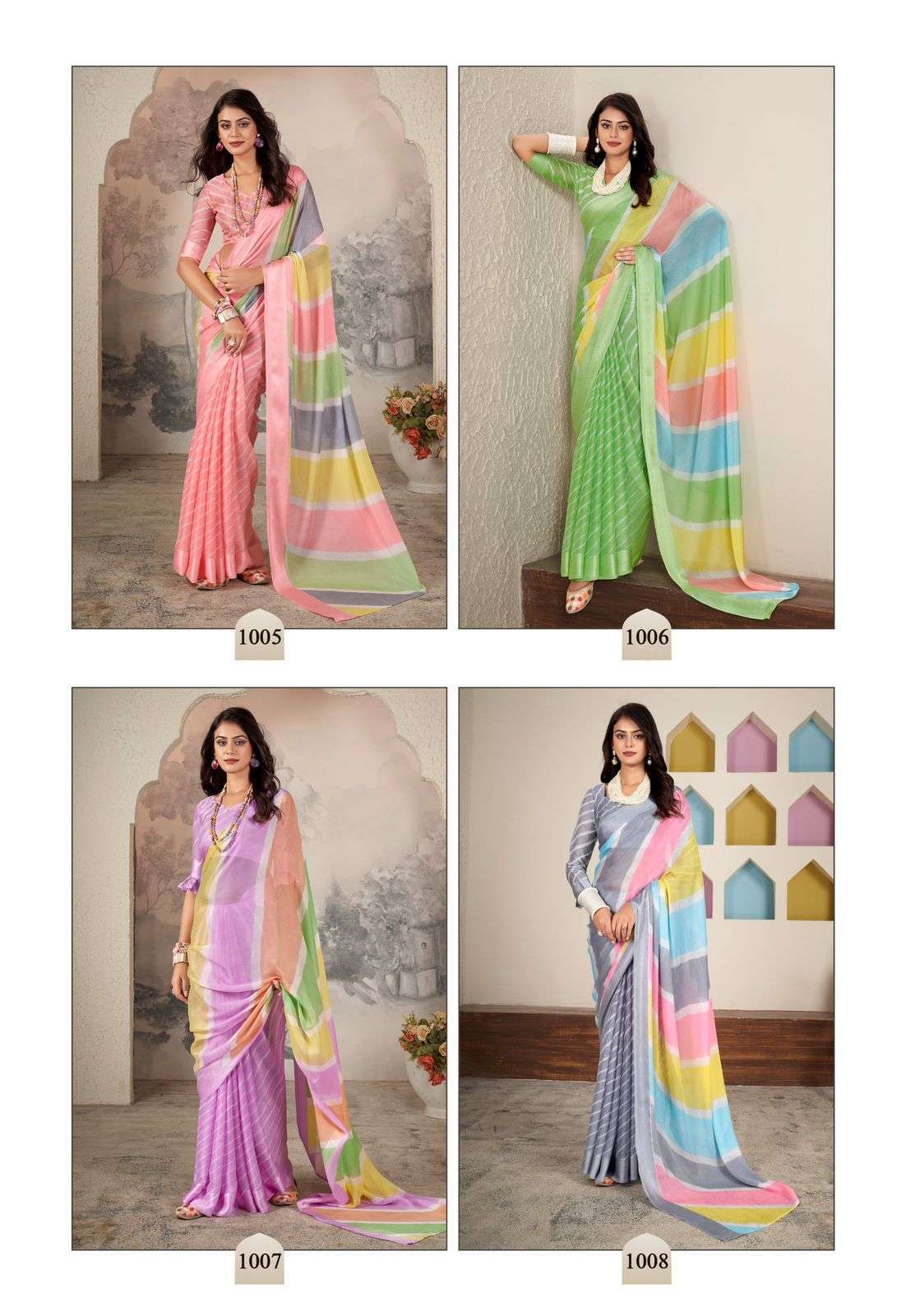
<h1><strong>How to Start Saree Business with Low Investment: Wholesale Guide 2026</strong></h1> <p>Starting a saree business does not require a large showroom or a huge opening inventory. A focused product selection, controlled wholesale purchasing and a reliable selling channel can help new sellers enter the ethnic wear market with manageable capital. By starting with limited quantities and reinvesting money into products that actually sell, Home-Based Sellers, Resellers and aspiring Boutique Owners can build their saree business progressively instead of blocking funds in unnecessary stock.</p> <h2><strong>Introduction</strong></h2> <p>For anyone planning <strong>how to start saree business with low investment</strong> in 2026, the first priority should be controlling inventory rather than purchasing every attractive catalogue available in the market. Sarees offer multiple selling opportunities across daily wear, festive wear, weddings, gifting and fashion-focused ethnic wear, but a new business needs the right assortment at the right price.</p> <p>A practical low-investment model can begin with selected <strong>wholesale sarees</strong>, digital selling through WhatsApp and Instagram, and gradual reinvestment into categories that generate confirmed orders. This approach can work for Home-Based Sellers, Shop Owners, Boutique Owners and Resellers who want to enter the market without immediately investing in a large physical retail setup.</p> <p>Kapdawholesale.com gives buyers an online route to explore wholesale ethnic wear collections connected with Surat sourcing opportunities. Instead of depending only on local retail-priced purchases, sellers can select products according to their target customers, budget and expected resale price.</p> <p>The objective should be simple: invest less in unnecessary inventory and more in products with a realistic chance of selling.</p> <h2><strong>Choose the Right Low-Investment Saree Business Model</strong></h2> <p>Before purchasing the first saree, decide how the products will reach customers. The selling model influences how much inventory, space and operating capital the business requires.</p> <h3><strong>Home-Based Saree Business</strong></h3> <p>A <strong>home-based saree business</strong> can reduce initial expenses because there is no immediate requirement for showroom rent, extensive interiors or a large sales team. Products can be stored in a clean dedicated area and shown to local customers by appointment.</p> <p>WhatsApp, Instagram and existing personal networks can become the first selling channels. The business can then expand as repeat customers and referrals increase.</p> <h3><strong>Online Saree Reselling Business</strong></h3> <p>Online Resellers can promote products through WhatsApp Status, Instagram, Facebook and other digital channels. The focus should be on attractive product presentation, quick responses and clear product information.</p> <p>Rather than sharing hundreds of random products, create smaller collections according to occasion, fabric and price range. A focused catalogue is easier for customers to browse and easier for sellers to manage.</p> <h3><strong>Small Boutique Model</strong></h3> <p>A seller with an existing space or a slightly higher starting budget can create a small boutique-style setup. Instead of filling the store with excessive quantities, choose more designs in controlled numbers and present them professionally.</p> <p>Boutique Owners can gradually introduce premium products after understanding which categories their customers are willing to purchase.</p> <h3><strong>Retail Shop Expansion Model</strong></h3> <p>Shop Owners already selling garments, dress materials or women's fashion can add sarees as a new category without creating a completely separate business. Start with a selected assortment and measure the response before allocating more shelf space and purchasing capital.</p> <h2><strong>Start with Small Wholesale Saree Stock</strong></h2> <p>The most important principle in a <strong>low investment saree business</strong> is avoiding unnecessary inventory. More stock does not automatically create more sales.</p> <h3><strong>Choose Variety Over Excess Quantity</strong></h3> <p>A new seller may benefit from selecting multiple designs in smaller quantities rather than purchasing many identical pieces. Customers can see greater variety while the seller reduces dependence on one particular design.</p> <p>Once certain products start generating repeat orders, quantities can be increased with greater confidence.</p> <h3><strong>Buy According to a Defined Customer</strong></h3> <p>Do not purchase products before deciding who is expected to buy them. A college-going customer's preferences can be very different from those of a wedding shopper or a customer purchasing premium traditional sarees.</p> <p>Identify the intended age group, occasion, approximate retail budget and preferred styling. Use these factors when selecting <strong>sarees wholesale</strong>.</p> <h3><strong>Maintain Multiple Selling Price Levels</strong></h3> <p>A small business can still offer several price bands. Maintain selected affordable sarees for value-conscious customers, mid-range designs for regular boutique purchases and a limited number of premium pieces for customers willing to spend more.</p> <p>This provides choice without requiring large quantities in every segment.</p> <h2><strong>Best Saree Categories for a Low-Investment Business</strong></h2> <p>Product selection should balance customer appeal with inventory movement. Some categories can support frequent sales, while others provide opportunities for higher-value transactions.</p> <h3><strong>Printed Sarees</strong></h3> <p><strong>Printed sarees wholesale</strong> collections can be practical for new sellers because they provide extensive design and colour variety. Floral, traditional-inspired, geometric and contemporary prints can serve different customer segments.</p> <p>Printed products can also work well for online selling because distinctive patterns are easy to highlight through photographs and short videos.</p> <h3><strong>Lightweight Daily Wear Sarees</strong></h3> <p>Easy-to-drape sarees can attract customers purchasing for regular wear, work, smaller functions and gifting. These products can provide year-round selling opportunities instead of making the business dependent only on wedding or festival seasons.</p> <h3><strong>Festive Sarees</strong></h3> <p>Selected festive collections can be added before Navratri, Durga Puja, Diwali and wedding periods. Instead of purchasing excessive festive stock months in advance, start with controlled quantities and increase purchases according to customer response.</p> <h3><strong>Silk and Silk-Look Sarees</strong></h3> <p>Silk-inspired designs can give a new business a premium traditional category. Rich borders, woven-style motifs and classic colours can work for weddings, festivals and gifting.</p> <p>New sellers should carefully compare the wholesale price, fabric quality and expected resale potential before investing heavily in this category.</p> <h3><strong>Paithani Sarees</strong></h3> <p>Paithani-inspired and traditional Paithani collections can create a distinctive premium section. Rich colour combinations, traditional motifs and statement borders can appeal to customers looking for wedding and festive products.</p> <p>A new seller does not need a very large Paithani inventory initially. Selected colours and designs can be tested before expanding the range.</p> <img src="https://kapdawholesale.com/images/product/2025/03/kapda-wholesale-kc-3088-wedding-wear-paithani-silk-saree-wholesale-manufacturers-in-surat-2025-03-03_19_03_00.jpeg"/> <h2><strong>Source Wholesale Sarees from Surat</strong></h2> <p>Wholesale sourcing can significantly influence the economics of a small saree business. Purchasing merchandise closer to wholesale channels gives sellers more flexibility when setting a retail price.</p> <h3><strong>Why Surat Is Important for Saree Wholesale Buying</strong></h3> <p>The <strong>surat textile market</strong> has a large ecosystem covering weaving, processing, designing, <strong>manufacturing</strong>, trading and wholesale distribution. This provides buyers access to numerous saree categories at different price levels.</p> <p>Textile trading areas around <strong>ring road</strong> and <strong>sahara darwaza</strong> are widely associated with Surat's garment and fabric business. Wholesale Buyers visiting Surat can compare collections, while online buyers can increasingly source without travelling for every purchase.</p> <h3><strong>Online Wholesale Sourcing for Small Sellers</strong></h3> <p>Travel expenses can increase the initial investment required to start a business. Online sourcing through kapdawholesale.com can help Resellers and Boutique Owners explore available ethnic wear collections remotely.</p> <p>Before confirming an order, evaluate the product details, applicable wholesale price, quantity requirements and stock availability. The objective is to buy according to a business plan rather than purchasing impulsively.</p> <h3><strong>Build a Long-Term Supplier Relationship</strong></h3> <p>A new seller should gradually identify sourcing partners capable of providing regular collections, consistent communication and products suitable for the intended customer base.</p> <p>Vastralife has wholesale and <strong>export</strong> experience since 2017, supported by textile industry expertise and a focus on premium product quality. Such industry experience becomes valuable for businesses looking to build a more consistent sourcing process over time.</p> <h2><strong>Plan Your Starting Budget Carefully</strong></h2> <p>Understanding <strong>how to start saree business with low investment</strong> requires separating essential spending from expenses that can wait until sales begin.</p> <h3><strong>Put the Largest Share into Sellable Inventory</strong></h3> <p>Products generate revenue, so the primary portion of the starting capital should generally remain available for carefully selected inventory. Avoid spending a disproportionate amount on decorative interiors, expensive packaging or unnecessary equipment before confirming customer demand.</p> <h3><strong>Keep Money Available for Reorders</strong></h3> <p>Do not spend the complete budget on the first purchase. If one collection sells quickly, the business should have enough working capital to reorder or purchase a similar fast-moving range.</p> <p>This flexibility can be more valuable than beginning with an oversized stock.</p> <h3><strong>Control Packaging Costs</strong></h3> <p>Packaging should protect the product and present it neatly. Premium packaging can be introduced for gifting or higher-value orders, but new sellers should avoid unnecessary packaging expenses that reduce margins.</p> <h3><strong>Use Existing Digital Tools</strong></h3> <p>A smartphone can handle much of the initial photography, customer communication, WhatsApp selling and social media promotion. Professional equipment can be added later when the business volume justifies the expense.</p> <h2><strong>How to Set Saree Selling Prices</strong></h2> <p>A low-investment business still needs disciplined pricing. Selling too cheaply can create orders without producing enough margin to sustain the business.</p> <h3><strong>Calculate the Complete Product Cost</strong></h3> <p>Start with the wholesale purchase amount and add relevant transportation, packaging, payment and other direct costs. This gives a more realistic landed cost.</p> <p>The retail price should then provide enough room to cover operating expenses and generate a reasonable margin.</p> <h3><strong>Do Not Compete Only on Lowest Price</strong></h3> <p>Small sellers may find it difficult to compete with very large marketplaces purely on price. Instead, create value through product selection, personal service, styling recommendations, quick communication and trustworthy product presentation.</p> <h3><strong>Create Different Margin Opportunities</strong></h3> <p>Not every saree needs the same percentage margin. Fast-moving affordable products and selected premium designs can play different roles within the overall business.</p> <p>Evaluate profitability across the complete inventory instead of judging the business from one product alone.</p> <h2><strong>Sell Sarees Without Opening a Showroom</strong></h2> <p>One of the most effective ways to reduce startup costs is to begin selling before committing to commercial retail rent. This model can be particularly suitable for Home-Based Sellers and new Resellers.</p> <h3><strong>Use WhatsApp as a Selling Channel</strong></h3> <p>Create organised product messages with photographs, product codes and relevant details. WhatsApp Status can be used for new arrivals while direct messages can be personalised according to customer interests.</p> <p>Avoid sending every available catalogue to every contact. Targeted communication usually creates a cleaner customer experience.</p> <h3><strong>Build an Instagram Product Presence</strong></h3> <p>Use reels to show saree draping, fabric movement, borders and pallu details. Consistent product presentation can help potential customers understand what makes the collection attractive.</p> <h3><strong>Encourage Repeat Customers</strong></h3> <p>When a customer purchases successfully, maintain a record of the style and price segment they selected. Future new arrivals can then be shared according to that customer's likely preferences.</p> <h2><strong>Low-Investment Saree Business for India, Singapore and Canada</strong></h2> <p>A small saree business can begin locally and later explore customers outside its immediate city. For this 2026 strategy, <strong>India</strong>, <strong>Singapore</strong> and <strong>Canada</strong> provide three distinct markets where sellers can build product selections according to their own customer network.</p> <h3><strong>Starting in India</strong></h3> <p>Indian sellers can begin with local customers, referrals, WhatsApp contacts and social media. Product selection can be adapted according to regional festivals, wedding demand and everyday preferences.</p> <h3><strong>Selling Sarees for Singapore Customers</strong></h3> <p>Businesses with an established customer network in Singapore can select lightweight contemporary sarees alongside festive traditional products. International shipping and landed costs should be calculated before the final selling price is committed.</p> <h3><strong>Selling Sarees for Canada Customers</strong></h3> <p>Customers purchasing Indian ethnic wear in Canada may require sarees for weddings, festivals, cultural events and family functions. Retailers can maintain a curated selection rather than attempting to carry every Indian saree category.</p> <p>For any international order, <strong>export</strong> expenses and shipping requirements should be evaluated carefully so the final transaction remains commercially viable.</p> <h2><strong>Turn a Small Saree Stock into Regular Sales</strong></h2> <p>The success of a <strong>saree business with low investment</strong> depends heavily on inventory rotation. Capital should move from purchased stock into customer orders and then return to the business for the next wholesale buying cycle.</p> <h3><strong>Promote New Arrivals Consistently</strong></h3> <p>Customers cannot purchase products they never see. Create regular but non-spammy updates featuring selected new designs, restocked favourites and occasion-based collections.</p> <h3><strong>Reinvest in Proven Products</strong></h3> <p>When a particular category performs well, allocate more of the next purchasing budget toward similar products. This allows the inventory mix to improve according to real sales.</p> <h3><strong>Reduce Slow-Moving Inventory Early</strong></h3> <p>Do not allow unsuccessful designs to remain untouched indefinitely. Refresh their presentation, combine them with relevant offers or use controlled clearance pricing when necessary to release working capital.</p> <p>The next stage is to scale this low-investment model through disciplined reordering, strategic wholesale buying and a product mix designed around repeat customer demand rather than excessive stock.</p>
<h2><strong>Scale Your Saree Business Without Increasing Risk Too Fast</strong></h2> <p>Once the first inventory begins generating consistent orders, growth should happen gradually. The advantage of starting small is that every sales cycle provides information about customer preferences, profitable price ranges and products that deserve additional investment.</p> <h3><strong>Increase Stock Based on Actual Sales</strong></h3> <p>Do not double inventory simply because the first few orders were successful. Review which categories sold, how quickly they moved and whether customers requested similar products afterward.</p> <p>If printed sarees generate frequent repeat orders while premium products move more slowly, the next wholesale purchase can allocate more capital toward printed collections while maintaining a smaller premium assortment.</p> <h3><strong>Add New Categories Gradually</strong></h3> <p>After establishing regular saree sales, businesses can introduce complementary ethnic wear according to customer demand. Dress materials, kurti sets or other women's ethnic wear can create cross-selling opportunities without changing the core business immediately.</p> <p>Each new category should begin with controlled quantities so the business remains financially flexible.</p> <h3><strong>Separate Business Capital from Profit</strong></h3> <p>A common challenge for small sellers is withdrawing too much money from early sales. Maintain sufficient working capital for reorders, shipping, packaging and seasonal purchasing before treating the complete margin as disposable profit.</p> <h2><strong>Internal Linking Section for Wholesale Buyers</strong></h2> <p>Sellers who want to add traditional premium products can explore <a href="https://www.kapdawholesale.com/paithani-saree">Paithani saree wholesale</a> options and select designs according to wedding, festive and boutique customer demand.</p> <p>Businesses planning to expand their ethnic wear assortment can also consider <a href="https://www.kapdawholesale.com/cotton-dress-material">cotton dress material wholesale</a> collections after establishing a stable saree customer base.</p> <p>Expanding through related categories works best when existing customers are already requesting them. This keeps new investment connected with genuine demand instead of creating unnecessary stock.</p> <img src="https://kapdawholesale.com/images/product/2025/01/dazira-beej-paithani-saree-wholesale-market-in-surat-2025-01-22_18_33_36.jpeg" /> <h2><strong>Build a Profitable Saree Inventory Mix</strong></h2> <p>Anyone planning <strong>how to start saree business with low investment</strong> should think about inventory as a portfolio rather than a collection of unrelated products. Every category should perform a specific role within the business.</p> <h3><strong>Keep Fast-Moving Sarees for Regular Cash Flow</strong></h3> <p>Printed sarees, lightweight designs and accessible price ranges can support frequent transactions. These products can help keep money circulating through the business instead of remaining locked in stock for long periods.</p> <h3><strong>Keep Mid-Range Sarees as the Core Collection</strong></h3> <p>Mid-range products can offer customers stronger design value while remaining accessible to a broader audience. Boutique-style prints, elegant borders, silk-look fabrics and fashionable colours can form this section.</p> <h3><strong>Keep Selected Premium Sarees for Higher Order Value</strong></h3> <p>Premium sarees can serve weddings, festivals, gifting and special occasions. Instead of purchasing excessive quantities, maintain selected designs that give customers a clear upgrade option.</p> <p>This combination allows a low-investment seller to serve different budgets while keeping overall stock under control.</p> <h2><strong>Use Pre-Orders and Customer Demand to Control Investment</strong></h2> <p>Pre-order and demand-based purchasing can further reduce inventory pressure when used transparently. Sellers should clearly distinguish between products physically available with them and products that need supplier confirmation.</p> <h3><strong>Collect Customer Interest Before Buying Large Quantities</strong></h3> <p>When introducing an unfamiliar saree category, show selected designs to existing customers and observe genuine buying interest. Confirm supplier availability before accepting an order or payment.</p> <p>This can provide useful demand signals before the seller invests heavily in a new collection.</p> <h3><strong>Never Promise Stock Before Confirmation</strong></h3> <p>Wholesale availability can change quickly. If the product is not physically in your possession, confirm current availability before promising dispatch to the customer.</p> <h3><strong>Use Pre-Orders for Selected Premium Collections</strong></h3> <p>Premium products require more capital per piece. Where the sourcing model permits, genuine customer-led ordering can reduce the need to maintain excessive quantities of high-value stock.</p> <h2><strong>How to Build Customer Trust in a New Saree Business</strong></h2> <p>A new seller may have good products but no established reputation. Trust therefore becomes one of the most important assets during the early stages of the business.</p> <h3><strong>Use Genuine Product Information</strong></h3> <p>Describe the fabric, work, colour and product details accurately. Avoid exaggerating product specifications simply to secure an order. Customers who receive what they expected are more likely to purchase again.</p> <h3><strong>Show Saree Details Clearly</strong></h3> <p>Use photographs and videos that clearly display the saree body, border, pallu and blouse piece where applicable. For online orders, visual clarity can significantly influence purchase confidence.</p> <h3><strong>Communicate the Final Price Clearly</strong></h3> <p>Customers should understand the product price and any applicable shipping or other charges before completing the purchase. Clear pricing reduces misunderstandings and makes the buying experience more professional.</p> <h3><strong>Provide Consistent Customer Communication</strong></h3> <p>Reply to inquiries professionally, provide realistic dispatch information and keep customers informed when necessary. Small sellers can compete effectively by offering attentive and reliable communication.</p> <h2><strong>Low-Cost Marketing for a New Saree Business</strong></h2> <p>A limited starting budget does not need to be consumed by expensive advertising. Sellers can begin with organic marketing and gradually introduce paid promotion after identifying products that convert into sales.</p> <h3><strong>Use WhatsApp Status Every Day</strong></h3> <p>WhatsApp Status can become a simple product showcase. Instead of uploading dozens of similar images at once, highlight selected designs, new arrivals, festive collections and genuine customer favourites.</p> <h3><strong>Create Instagram Reels</strong></h3> <p>Short videos showing draping, fabric movement, borders and styling can make sarees more engaging. Use descriptive captions connected with the product and the geographic market you want to serve.</p> <h3><strong>Ask Existing Customers for Referrals</strong></h3> <p>Referral sales can be valuable for a Home-Based Seller because the new buyer arrives with some existing trust. Good product quality and service naturally increase the possibility of recommendations.</p> <h3><strong>Promote Products That Are Available to Sell</strong></h3> <p>Marketing works more efficiently when customer interest can quickly become an order. Prioritise available or supplier-confirmed products when creating promotional content.</p> <h2><strong>Prepare Your Saree Business for Festivals and Wedding Seasons</strong></h2> <p>Seasonal buying can create important sales opportunities, but it can also create dead stock if purchases are excessive. A low-investment business should prepare early without overcommitting capital.</p> <h3><strong>Buy Festive Stock in Controlled Batches</strong></h3> <p>Instead of making one very large seasonal purchase, divide buying into smaller cycles where practical. The first batch can test customer response, and subsequent purchases can focus on colours and styles that are actually selling.</p> <h3><strong>Create Occasion-Based Collections</strong></h3> <p>Present products as wedding sarees, festive sarees, gifting sarees, party wear or traditional collections. Occasion-based merchandising can help customers find relevant products faster.</p> <h3><strong>Keep Some Budget for Last-Minute Trends</strong></h3> <p>Not every trend can be predicted before the season begins. Maintaining some purchasing capital allows the business to respond when a particular design, colour or fabric suddenly gains demand.</p> <h2><strong>How to Reduce Dead Stock in a Small Saree Business</strong></h2> <p>Dead stock is particularly damaging when the initial investment is limited because every unsold product represents capital that cannot immediately be used for new inventory.</p> <h3><strong>Review Stock Frequently</strong></h3> <p>Identify products that have received little customer interest over several selling cycles. Compare them with successful designs to understand whether the issue is colour, fabric, styling or price.</p> <h3><strong>Change the Product Presentation</strong></h3> <p>Before reducing the selling price, try presenting the saree differently. Create a fresh draping video, coordinate it with another blouse idea or photograph it for a specific occasion.</p> <h3><strong>Use Controlled Clearance Offers</strong></h3> <p>If a product continues to remain unsold, a sensible clearance offer can release working capital. Avoid discounting successful new products simply because older inventory needs to move.</p> <h3><strong>Learn from Every Unsold Product</strong></h3> <p>Dead stock can provide useful purchasing information. If a certain design style repeatedly remains unsold, reduce similar purchases in future wholesale orders.</p> <h2><strong>From Home-Based Seller to Boutique or Showroom</strong></h2> <p>A low-investment beginning does not limit the long-term size of the business. It simply allows the seller to validate demand before taking on larger fixed expenses.</p> <h3><strong>Move to a Physical Space When Sales Justify It</strong></h3> <p>A showroom or boutique introduces rent, interiors, utilities, staffing and additional inventory requirements. Consider these expenses only after the existing customer base and sales volume can realistically support them.</p> <h3><strong>Expand Inventory Before Expanding Expenses</strong></h3> <p>In many cases, investing additional capital into proven products can generate better results than immediately spending on expensive interiors. The correct choice depends on the seller's market and customer expectations.</p> <h3><strong>Build Repeat Customers Before Scaling Aggressively</strong></h3> <p>A business supported by repeat purchases can scale more sustainably than one depending entirely on acquiring new customers every month. Maintain customer records and share relevant new arrivals based on previous purchases.</p> <h2><strong>Wholesale and Export Opportunities as the Business Grows</strong></h2> <p>Once the retail model becomes stable, sellers can explore larger quantities, B2B sales and international customers. The transition should happen according to confirmed demand rather than ambition alone.</p> <h3><strong>Move from Retail Buying to Larger Wholesale Orders</strong></h3> <p>As sales increase, larger purchases of proven products may improve purchasing efficiency. Wholesale Buyers should still maintain variety and avoid excessive concentration in one design.</p> <h3><strong>Explore International Customers Carefully</strong></h3> <p>Businesses serving India can gradually develop opportunities with customer networks in Singapore and Canada where relevant. International orders require accurate calculation of shipping, packaging and complete landed cost.</p> <h3><strong>Understand Export Economics Before Confirming Prices</strong></h3> <p>An overseas order can look attractive until freight and associated costs are included. Calculate the complete transaction before giving the final customer price so the order remains profitable.</p> <p>Vastralife's wholesale and export experience since 2017, textile industry expertise and focus on premium product quality can support buyers seeking a more dependable ethnic wear sourcing relationship as their business expands.</p> <h2><strong>Customer FAQs</strong></h2> <h3><strong>1. Can I start a saree business with low investment?</strong></h3> <p>Yes. A seller can begin with controlled wholesale inventory, sell from home or online, minimise fixed expenses and reinvest earnings into products that generate genuine demand. The required investment depends on product category, quantity and business model.</p> <h3><strong>2. Where can I buy sarees wholesale for a new business?</strong></h3> <p>New sellers can source through established wholesalers and suppliers connected with textile hubs such as Surat. Kapdawholesale.com provides an online route for buyers exploring wholesale ethnic wear collections without depending on a physical sourcing trip for every order.</p> <h3><strong>3. Which sarees should a beginner sell first?</strong></h3> <p>Printed sarees, lightweight designs, selected festive collections and a small premium range can provide a balanced starting assortment. The exact mix should depend on the target customer's budget and style preferences.</p> <h3><strong>4. Can I start a saree business from home?</strong></h3> <p>Yes. Home-Based Sellers can begin without showroom rent by maintaining controlled stock and selling through personal networks, WhatsApp, Instagram and referrals. A dedicated clean storage area and organised inventory system can make home-based operations easier.</p> <h3><strong>5. Is Surat good for wholesale saree sourcing?</strong></h3> <p>Surat has an extensive textile ecosystem covering manufacturing, processing and wholesale distribution. Ring Road, Sahara Darwaza and the broader Surat textile market are closely connected with the city's textile trade and offer numerous sourcing opportunities.</p> <h3><strong>6. How can I sell sarees online without a website?</strong></h3> <p>New sellers can begin through WhatsApp and social media. Use clear product photographs, videos, product codes, accurate descriptions and transparent pricing. A dedicated website can be considered as the business develops.</p> <h3><strong>7. How can I avoid dead stock when starting?</strong></h3> <p>Purchase controlled quantities, track customer response, reorder proven products and avoid buying large quantities simply because a supplier offers a lower bulk rate. Review slow-moving products regularly.</p> <h3><strong>8. Can Resellers purchase wholesale sarees for international customers?</strong></h3> <p>Yes, subject to the supplier's applicable ordering and shipping arrangements. Sellers should calculate freight, packaging and other relevant export costs before confirming the final selling price to overseas customers.</p> <h3><strong>9. Should a beginner open a showroom immediately?</strong></h3> <p>Not necessarily. Starting from home or through digital selling can reduce fixed costs while the seller tests products and develops a customer base. A physical store can be considered once sales and business requirements justify the additional expense.</p> <h3><strong>10. How should I grow my saree business after the first few months?</strong></h3> <p>Track which products generate confirmed orders, reinvest in successful categories, develop repeat customers, improve digital marketing and gradually increase inventory. Expansion should follow actual sales rather than simply increasing stock.</p> <h2><strong>Build Your Saree Business Step by Step in 2026</strong></h2> <p>Understanding <strong>how to start saree business with low investment</strong> is ultimately about controlling risk while creating enough product choice to generate sales. A new business does not need to imitate a large showroom from its first day.</p> <p>Begin with a defined customer segment, source carefully selected wholesale sarees, keep fixed expenses low and use digital selling channels to reach customers. Monitor every order and allow actual sales data to determine what you purchase next.</p> <p>A small initial inventory can gradually become a larger business when money is continuously reinvested into products customers genuinely want. The combination of disciplined buying, good customer communication and reliable sourcing is more important than simply starting with a large budget.</p> <h2><strong>Start Your Wholesale Saree Business Today</strong></h2> <p>Explore <strong>Latest Collections</strong> and competitive <strong>Wholesale Pricing</strong> for building your saree inventory in 2026. Select <strong>Trendy Ethnic Wear</strong> for Home-Based Sellers, Shop Owners, Boutique Owners, Showroom Owners, Resellers and Wholesale Buyers.</p> <p>Grow your business with available <strong>Fast Shipping</strong>, eligible <strong>COD Support</strong> and attractive <strong>Bulk Order Deals</strong> according to applicable stock and order conditions.</p> <p>Explore <strong>Quality Products Starting From ₹299</strong> and build your inventory according to your available investment, customer demand and target selling price.</p> <p>Backed by Vastralife's wholesale and export experience since 2017, industry expertise and commitment to premium product quality, buyers can create a stronger foundation for long-term ethnic wear sourcing.</p> <p><strong>Contact Number:</strong> +91 9712582172</p> <p><strong>Website:</strong> kapdawholesale.com</p> <p>Start with manageable stock, sell consistently, reinvest intelligently and expand according to proven customer demand. A carefully planned beginning can turn a low-investment saree venture into a sustainable retail, boutique, reselling or wholesale business.</p>