



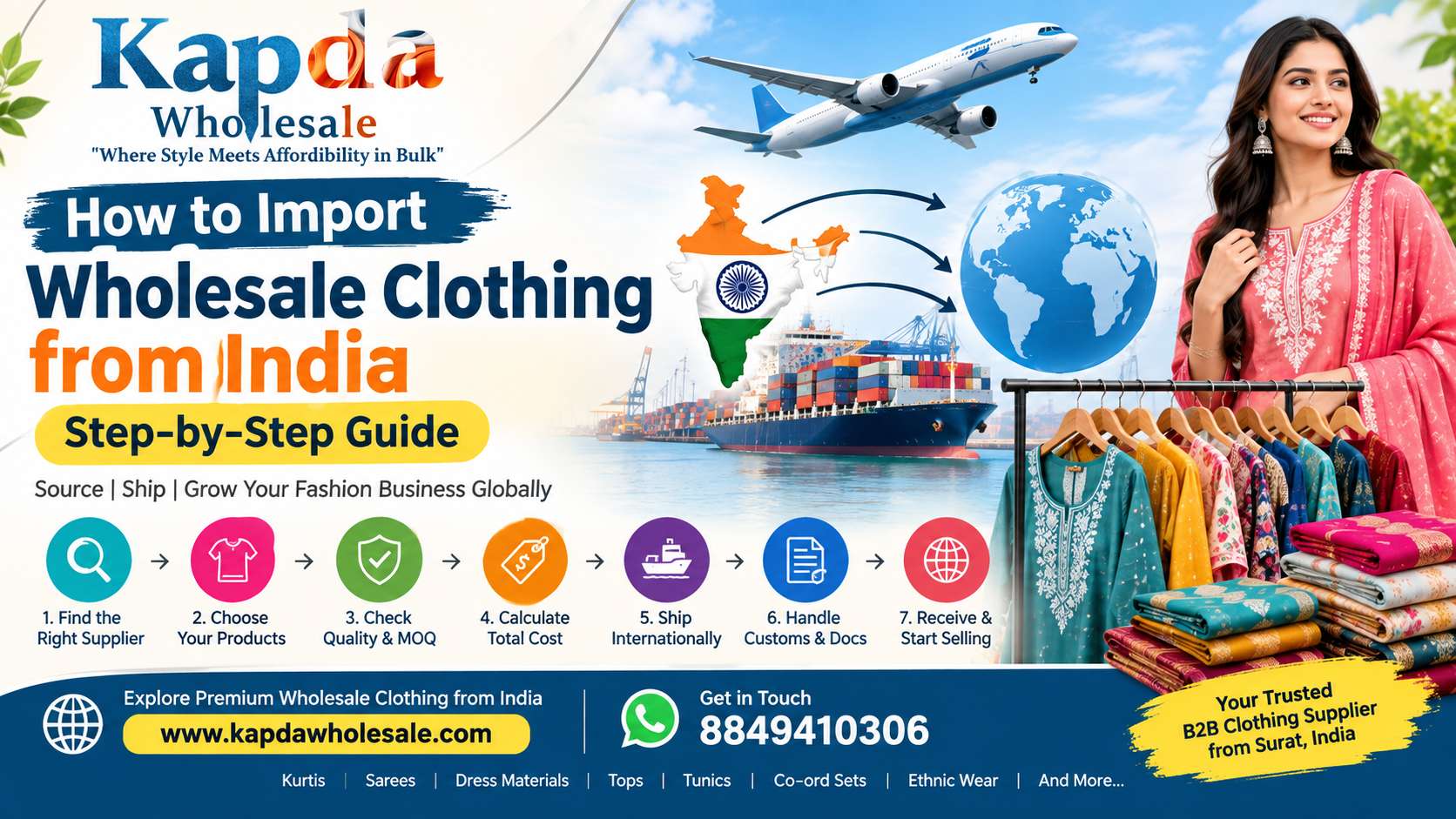
How to Import Wholesale Clothing from India: Step-by-Step Guide
India is one of the major sourcing destinations for ethnic wear, fashion clothing, sarees, kurtis, dress materials, and other apparel. For international retailers, boutiques, resellers, and online clothing businesses, importing wholesale clothing from India can provide access to a wide variety of designs and manufacturing hubs.
If you are planning to source clothing from India for your business, this guide explains the process from finding a supplier to shipping your order internationally.
Why Import Wholesale Clothing from India?
Indian clothing is popular in many international markets because of its variety of fabrics, prints, embroidery, colors, and traditional designs.
International buyers can source products such as:
- Wholesale Kurtis
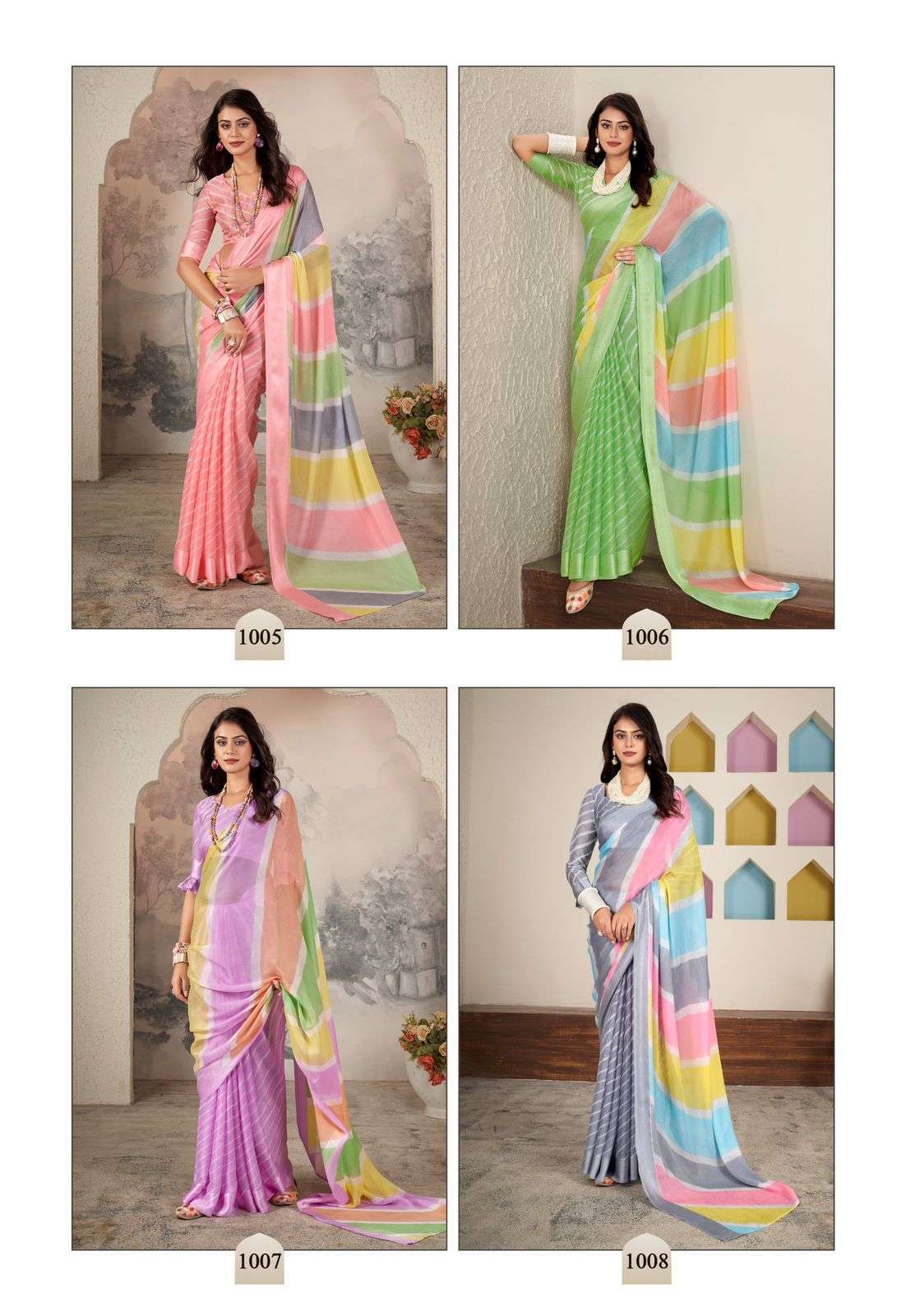
- Sarees
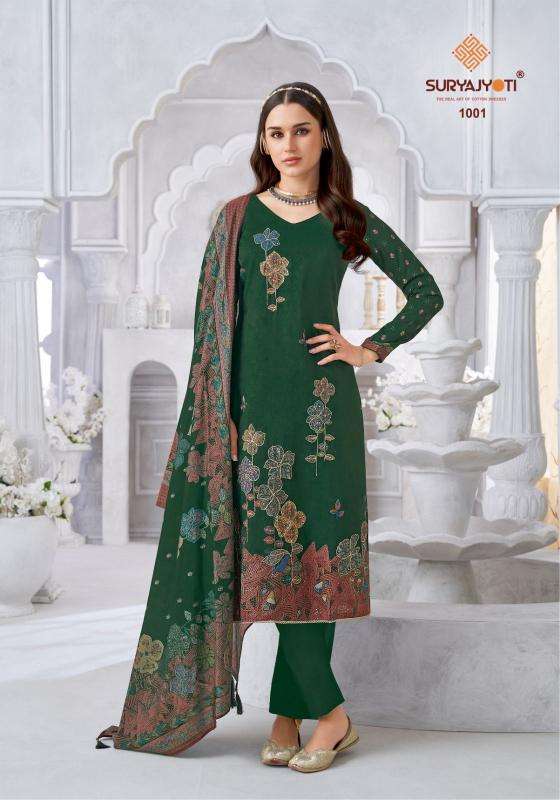
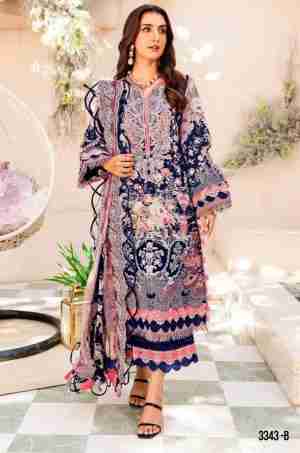
- Dress Materials
- Cotton Clothing
- Tops and Tunics
- Co-Ord Sets
- Ethnic Wear
- Ready-to-Wear Garments
For retailers, buying wholesale can also make it easier to build a diverse product range without sourcing every product individually.
You can explore Indian wholesale fashion through KapdaWholesale.com, which is focused on B2B clothing buyers and retailers.
Step 1: Decide What Clothing You Want to Import
Before contacting an Indian supplier, identify the products you want to sell.
For example, a boutique might focus on:
- Cotton Kurtis
- Printed Kurtis
- Designer Sarees
- Cotton Sarees
- Dress Materials
- Pakistani-style Dress Materials
- Tops
- Tunics
- Co-Ord Sets
Start with a clearly defined product category rather than ordering too many different products at once.
Consider These Factors
Before placing an order, determine:
- Your target customers
- Selling price in your market
- Preferred clothing styles
- Sizes required
- Fabric preferences
- Expected order quantity
- Available investment
- Shipping budget
You can also review wholesale clothing collections from KapdaWholesale to understand the types of products available for B2B sourcing.
Step 2: Find a Reliable Wholesale Clothing Supplier in India
Choosing the right supplier is one of the most important parts of importing clothing.
Look for a supplier that can clearly communicate:
- Product details
- Fabric information
- Available sizes
- Minimum order quantities
- Pricing
- Stock availability
- Packaging
- Shipping options
- Payment terms
For international buyers, communication is particularly important because you may be ordering remotely.
KapdaWholesale is based in Surat, India, a major textile and clothing sourcing hub. Buyers can visit KapdaWholesale.com to explore wholesale clothing options.
Step 3: Check Product Quality Before Ordering in Bulk
Never assume that every product will have the same quality.
Before making a large purchase, ask the supplier about:
- Fabric composition
- Stitching quality
- Printing quality
- Embroidery
- Color consistency
- Size measurements
- Finishing
- Packaging
If possible, request product photos or videos before confirming your order.
For international retailers, checking quality before bulk purchasing can help reduce the risk of receiving products that do not match customer expectations.
Step 4: Ask About MOQ and Wholesale Prices
MOQ means Minimum Order Quantity.
Different suppliers may have different MOQ requirements depending on the product.
For example, a supplier might offer:
- Per-piece wholesale purchasing
- Small wholesale quantities
- Pack-based ordering
- Larger bulk orders
Always confirm the MOQ before placing an order.
You should also ask whether the quoted price is:
- Per piece
- Per set
- Per dozen
- Per pack
Do not compare suppliers based only on the product price. Consider the total landed cost.
Step 5: Calculate Your Total Import Cost
The actual cost of importing clothing is more than the supplier's wholesale price.
Your approximate landed cost can include:
Product Cost + Packaging + Shipping + Customs/Duties + Taxes + Other Import Charges
For example:
Wholesale clothing cost = $1,000
International shipping = $250
Import-related charges = $150
Approximate landed cost = $1,400
The actual duties, taxes, customs procedures, and fees depend on the destination country, product classification, shipment value, and applicable regulations.
Therefore, international buyers should confirm import requirements with their country's customs authority or a qualified customs professional.
Step 6: Confirm Product Details With the Supplier
Before paying, confirm the complete order.
Your order confirmation should ideally include:
- Product name
- Product code
- Quantity
- Size
- Color
- Fabric
- Price
- Packaging requirements
- Shipping method
- Delivery destination
- Payment terms
This reduces misunderstandings between the buyer and supplier.
If you are ordering through WhatsApp, keep the final product list and commercial details clearly documented.
Step 7: Choose a Suitable Shipping Method
The best shipping method depends on your order size, destination, budget, and required delivery time.
Common options include:
Air Shipping
Air freight or courier shipping can be useful for smaller or time-sensitive shipments.
Sea Freight
Sea freight is commonly considered for larger commercial shipments where transportation cost per unit is important.
Courier
Courier services can be convenient for smaller parcels and samples, depending on destination and service availability.
Ask your supplier or freight forwarder which shipping option is suitable for your particular shipment.
Step 8: Understand Import Documentation
International clothing shipments may require commercial and shipping documents.
Depending on the transaction and destination, documents can include:
- Commercial Invoice
- Packing List
- Shipping/Airway Bill or Bill of Lading
- Export documentation
- Import documentation
- Certificates or other documents where applicable
Requirements can vary by destination country and product.
Before importing commercially, check the requirements of your country's customs and tax authorities.
Step 9: Check Customs and Import Regulations
This step is extremely important.
Different countries can have different rules regarding:
- Clothing imports
- Customs duties
- VAT/GST/sales taxes
- Product labeling
- Textile composition labels
- Country-of-origin information
- Importer registration
- Restricted materials
- Documentation
Do not assume that another retailer's import process will apply to your business.
Check the rules applicable to your country and your specific clothing products before placing a large order.
Step 10: Place Your Wholesale Clothing Order
Once you have confirmed the supplier, products, price, shipping, and documentation requirements, you can proceed with the order.
Before payment, review the final invoice carefully.
Make sure the:
- Product quantities are correct
- Prices are correct
- Shipping terms are clear
- Buyer and delivery details are correct
- Payment instructions are verified
For buyers sourcing from Surat, KapdaWholesale.com can be used to explore wholesale Indian clothing collections.
Step 11: Make Payment Securely
Always verify payment details directly with your supplier.
Depending on the supplier and transaction, payment methods may include bank transfer or other agreed commercial payment methods.
Before transferring money:
- Confirm the supplier's business details.
- Verify the invoice.
- Confirm the beneficiary/payment information.
- Keep payment records.
- Keep copies of your order communication.
For large transactions, buyers may also consider using appropriate trade/payment protections available in their market.
Step 12: Prepare for International Delivery
After your order is dispatched, ask for the relevant shipment information.
Depending on the shipping method, this may include:
- Tracking number
- Airway bill
- Bill of lading
- Shipping invoice
- Packing list
- Estimated arrival information
Your freight forwarder or courier can provide additional instructions for customs clearance.
Step 13: Receive and Inspect Your Shipment
When your shipment arrives, inspect the products before distributing them to customers.
Check:
- Quantity
- Sizes
- Colors
- Fabric
- Stitching
- Printing
- Embroidery
- Packaging
- Damaged items
If you identify an issue, document it with photographs and contact the supplier promptly.
How to Reduce the Risk When Importing Indian Clothing
International buyers can follow several practical steps:
1. Start With a Smaller Order
If you are working with a new supplier, consider starting with a smaller commercial order before scaling up.
2. Confirm Everything in Writing
Keep product specifications, pricing, quantities, and shipping arrangements documented.
3. Calculate Landed Cost
Don't calculate profit using only the wholesale purchase price.
4. Research Your Market
Understand what styles, colors, fabrics, and price points your customers prefer.
5. Build a Long-Term Supplier Relationship
Once you find a supplier whose products and service match your requirements, consistent communication can make future purchasing easier.
Why Surat Is Important for Wholesale Clothing
Surat, Gujarat is widely known for its textile and synthetic fabric industries and has a large ecosystem of textile manufacturers, wholesalers, processors, and traders.
For international buyers looking for Indian fashion products, sourcing from Surat can provide access to a broad range of clothing and textile products.
KapdaWholesale offers B2B buyers a way to explore Indian wholesale fashion from Surat without necessarily needing to visit India in person.
Explore wholesale Kurtis and other Indian clothing collections through KapdaWholesale.com.
Why International Retailers Choose Indian Wholesale Clothing
Indian wholesale clothing can be relevant for retailers selling:
- Ethnic fashion
- Women's fashion
- Boutique collections
- Festival clothing
- Everyday Indian wear
- Online fashion
- Reseller collections
Products such as sarees, kurtis, dress materials, and ethnic wear can be marketed to customers in different international markets, subject to local demand.
For retailers looking for wholesale sarees from India, sourcing directly from an Indian wholesale supplier can simplify product discovery and communication.
Tips for Buying Wholesale Clothing From India Online
If you cannot travel to Surat, online sourcing can make the process more convenient.
Ask for Current Stock
Fashion inventory changes frequently, so ask for updated stock information before ordering.
Request Videos
Videos can provide additional visual information about fabrics, designs, and finishing.
Confirm Measurements
Indian clothing sizing may differ from the sizing system used in your country.
Discuss Shipping Before Payment
Know whether the quoted price includes shipping or whether shipping will be charged separately.
Order According to Your Market
Don't purchase only because a design is popular in India. Consider whether it matches your customers' preferences.
Why KapdaWholesale Can Be a Sourcing Option for Global Buyers
KapdaWholesale is positioned as a B2B wholesale clothing supplier from Surat, India, serving retailers, boutiques, resellers, and international buyers.
Buyers can explore categories including:
- Kurtis
- Sarees
- Dress Materials
- Tops
- Tunics
- Ethnic Wear
- Other women's fashion products
You can visit www.kapdawholesale.com to explore available collections and contact the business regarding wholesale requirements.
Frequently Asked Questions
1. Can I import wholesale clothing from India for my boutique?
Yes. International retailers and boutique owners can purchase clothing from Indian suppliers, subject to the import regulations of their destination country.
2. What clothing can I import from India?
Popular categories include sarees, kurtis, dress materials, ethnic wear, tops, tunics, and other women's fashion products.
3. Is Surat good for wholesale clothing?
Surat is a major textile and clothing production and trading center, making it an important sourcing location for Indian textiles and apparel.
4. What is MOQ in wholesale clothing?
MOQ means Minimum Order Quantity. It is the minimum quantity a supplier requires for an order or particular product.
5. Can I order wholesale clothing online from India?
Yes. Many B2B buyers communicate with Indian suppliers online, review collections remotely, confirm orders, and arrange international shipping.
6. How should I calculate my clothing import cost?
Calculate the product price together with packaging, shipping, customs duties, taxes, and other applicable import charges.
7. Can I import clothing from India without visiting Surat?
Yes. Buyers can communicate with suppliers remotely and arrange orders and shipping online, provided the supplier supports remote B2B purchasing.
8. What should I check before importing clothing?
Check product quality, pricing, MOQ, sizes, fabric, shipping, documentation, payment terms, and your country's import requirements.
Final Checklist: Importing Wholesale Clothing From India
Before placing your first order, use this checklist:
✅ Choose your product categories
✅ Research your target market
✅ Find a suitable Indian supplier
✅ Confirm product quality
✅ Ask about MOQ
✅ Compare wholesale prices
✅ Calculate landed cost
✅ Confirm shipping method
✅ Check import regulations
✅ Verify documentation
✅ Confirm payment details
✅ Place your order
✅ Track your shipment
✅ Inspect products after delivery
Start Sourcing Wholesale Clothing From India
Importing wholesale clothing from India becomes easier when you approach the process step by step. The key is to choose suitable products, work with a reliable supplier, understand your landed costs, and check the import requirements of your destination country.
For retailers, boutiques, and resellers looking for Indian wholesale fashion from Surat, visit KapdaWholesale.com to explore wholesale clothing collections and discuss your B2B requirements.