
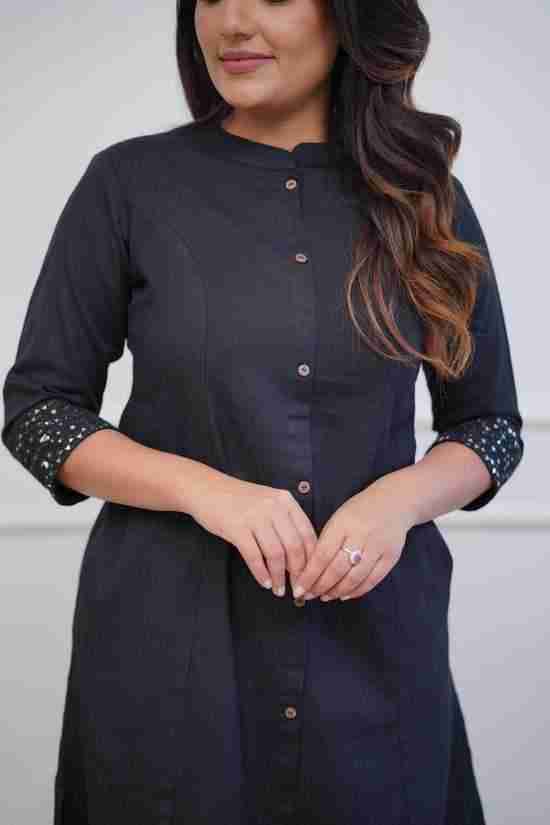
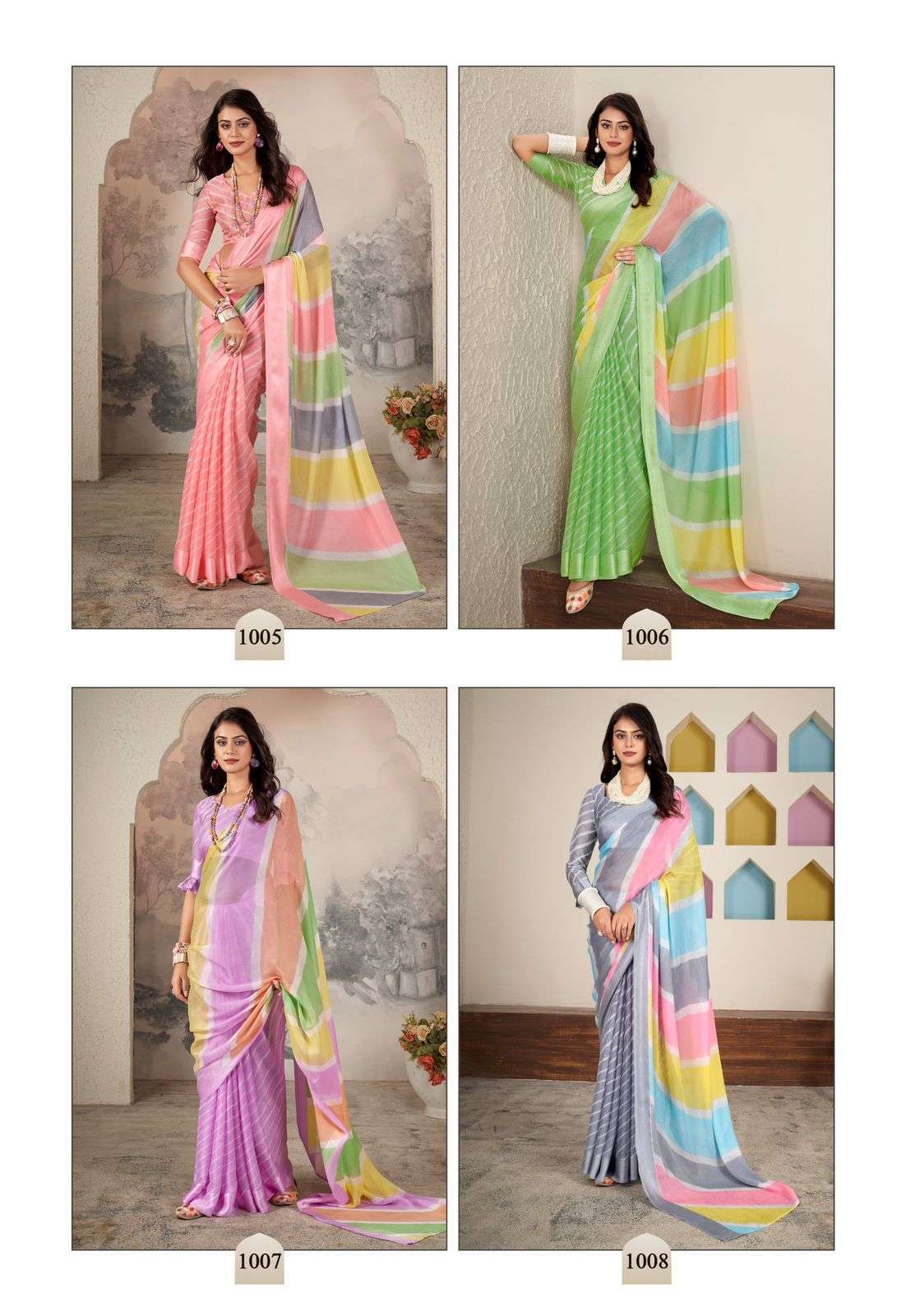

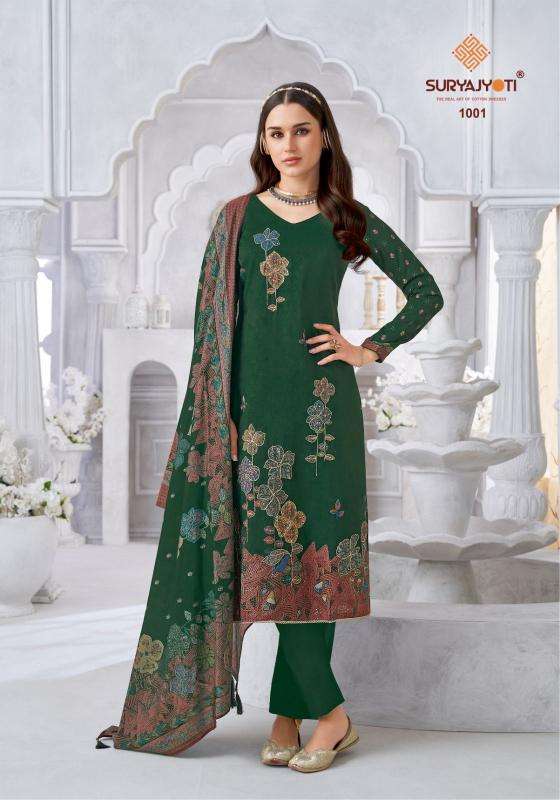
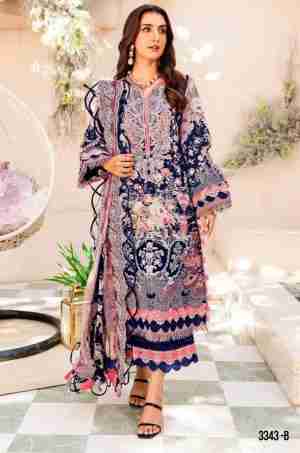


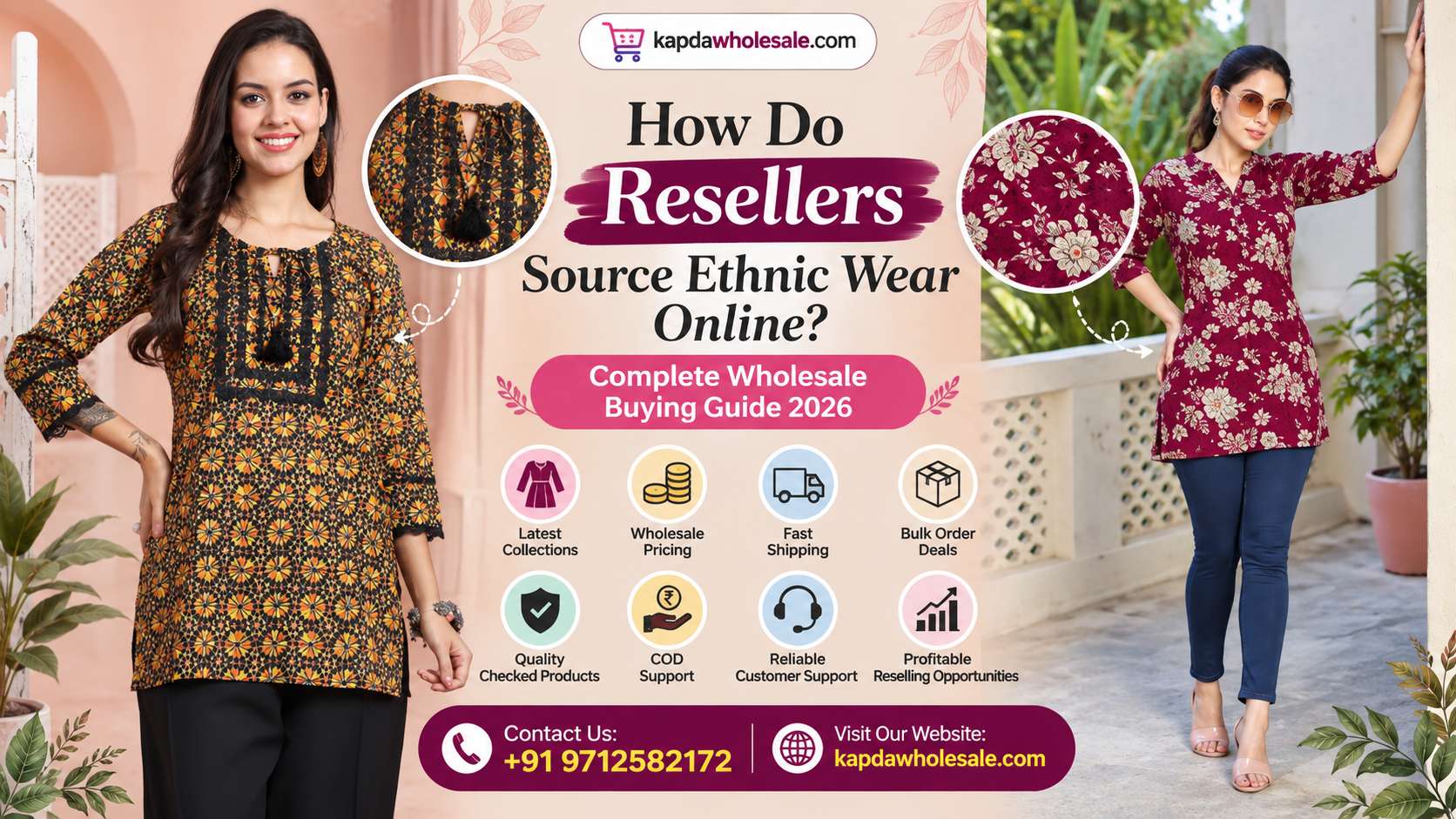
<h1><strong>How Do Resellers Source Ethnic Wear Online? Wholesale Buying Guide 2026</strong></h1> <p>Buying ethnic wear for resale has become faster and more flexible as wholesale sourcing moves online. Home-based sellers, boutiques, retail shops and established showrooms can now browse new collections, compare wholesale price ranges and order stock from textile markets without travelling for every purchase. For resellers focused on building profitable inventory, the real advantage comes from finding products that combine attractive designs, dependable quality, practical buying quantities and enough margin for resale.</p> <h2><strong>Introduction</strong></h2> <p>For anyone asking <strong>how do resellers source ethnic wear online</strong>, the buying process usually begins with finding a wholesale-focused supplier rather than shopping through ordinary retail marketplaces. Resellers need buying prices that leave room for margins, regular new arrivals, multiple product categories and a sourcing system that can support repeat orders as their business grows.</p> <p>In 2026, online sourcing gives wholesale buyers access to products from major textile hubs such as Surat from almost anywhere. A reseller in another Indian state can explore wholesale kurtis and tunics online, while an international buyer can evaluate Indian ethnic wear for customers in markets such as <strong>Nepal, Australia and Malaysia</strong>.</p> <p>kapdawholesale.com gives buyers a digital route to explore wholesale fashion collections for resale. Instead of spending time contacting different retail sellers, buyers can focus on products intended for wholesale purchasing and select inventory according to their customer base, budget and selling channel.</p> <h2><strong>Buy Ethnic Wear Online Directly for Resale</strong></h2> <p>A profitable reselling business starts with the buying price. If products are purchased at ordinary consumer prices, the seller has limited room for shipping, marketing expenses and retail margin. This is why experienced buyers search specifically for <strong>ethnic wear wholesale online</strong>, kurti wholesale suppliers, wholesale tunics, salwar suit wholesalers, dress material suppliers and bulk women's clothing.</p> <p>The objective is transactional: identify products, check specifications, understand the applicable MOQ, calculate the landed cost and place an order that can be resold profitably.</p> <h3><strong>Wholesale Kurtis for Resellers</strong></h3> <p><strong>Wholesale kurtis online</strong> are a practical starting category because they can serve different customer groups. Sellers can choose straight kurtis, printed kurtis, embroidered styles, cotton kurtis, office-wear designs, plus-size kurtis and coordinated kurti sets.</p> <p>When purchasing in bulk, compare more than the displayed price. Fabric, stitching, size availability, pattern placement, finishing and overall presentation affect how easily a product can be sold at the intended retail rate.</p> <p>A home-based seller may begin with selected designs and manageable quantities, while a showroom with regular customer traffic may require deeper inventory across several sizes and colours.</p> <h3><strong>Wholesale Tunics for Daily and Casual Wear</strong></h3> <p>Tunics can help sellers expand beyond conventional ethnic kurtis while remaining relevant to customers looking for comfortable everyday fashion. Cotton tunics, printed tunics, short tops and fusion styles can work for office wear, casual outings and daily use.</p> <p>For resellers, the category is especially useful when customers prefer products that can be paired with jeans, trousers, leggings or palazzos. This versatility can increase the number of ways a single design can be marketed.</p> <h3><strong>Salwar Suits and Complete Ethnic Sets</strong></h3> <p><strong>Salwar suits wholesale</strong> can serve buyers looking for complete outfits rather than individual kurtis. Depending on the collection, resellers may source everyday suit sets, embroidered designs, festive styles, Pakistani-inspired silhouettes and occasion wear.</p> <p>Before ordering, confirm exactly what the set includes. The wholesale cost should be compared against fabric, bottom, dupatta, embroidery or other work included in the product. This gives the reseller a more accurate basis for determining the retail price.</p> <h2><strong>Why Resellers Source From Surat Online</strong></h2> <p>Surat has one of India's largest textile trading ecosystems, making it an important sourcing location for women's fashion. The <strong>surat textile market</strong> includes manufacturers, wholesalers, traders and distributors across multiple garment and textile categories.</p> <p>Commercial areas around <strong>Ring Road</strong> and routes connected with <strong>Sahara Darwaza</strong> have long been associated with textile trade. For buyers located outside Surat, online wholesale purchasing reduces the need to travel repeatedly just to see fresh catalogues or reorder stock.</p> <p>This can be particularly valuable for resellers whose business depends on regular new arrivals. Instead of waiting weeks for another sourcing trip, they can check available collections online and place their next order according to sales requirements.</p> <h3><strong>Direct Access to a Large Product Ecosystem</strong></h3> <p>Surat's textile ecosystem includes trading as well as <strong>manufacturing</strong> and distribution activity. This creates access to a wide variety of women's clothing across multiple price segments.</p> <p>A reseller may want affordable daily-wear pieces for high-volume sales, while a boutique may prioritise better detailing and distinctive designs. Wholesale sourcing allows both businesses to buy according to their own positioning rather than following a single retail assortment.</p> <h3><strong>Faster Restocking for Online Sellers</strong></h3> <p>Social-media and WhatsApp-based resellers often need fresh products frequently. Their customers see new fashion content every day, so repeating the same catalogue for too long can reduce engagement.</p> <p>With online sourcing, sellers can check available products more regularly and place repeat purchases when a particular style performs well. This makes the inventory cycle more responsive to actual customer demand.</p> <img src="https://kapdawholesale.com/images/product/2025/02/tips-tops-cotton-shorties-vol-6-catalog-kurti-neck-designs-catalogue-pdf-2025-02-14_13_57_45.jpg"/> <h2><strong>How to Select the Right Products for Reselling</strong></h2> <p>Knowing <strong>how do resellers source ethnic wear online</strong> is only half the process. The next step is deciding which products deserve inventory investment. The best-looking catalogue is not automatically the most profitable one for every seller.</p> <p>Product selection should match the customers who already buy from the business. A boutique serving premium customers may select detailed ethnic sets, whereas a seller focused on everyday affordability may generate stronger turnover from cotton kurtis, tunics and simple coordinated sets.</p> <h3><strong>Buy According to Your Customer's Price Range</strong></h3> <p>Before placing an order, identify the retail price range your customers normally accept. Then work backwards to determine the maximum wholesale buying cost that leaves sufficient margin.</p> <p>For example, a reseller who consistently sells products in an accessible retail range should not fill most of the inventory with expensive premium styles merely because they look impressive in photographs. The products need to fit the commercial reality of the seller's audience.</p> <p>Similarly, a premium boutique should not focus exclusively on the lowest wholesale price if its customers expect stronger fabrics, detailing and finishing.</p> <h3><strong>Purchase Sizes Based on Real Demand</strong></h3> <p>Size selection has a direct impact on inventory turnover. Sellers should record which sizes sell most frequently and use that information when buying the next collection.</p> <p>Demand for plus-size ethnic wear also creates a dedicated opportunity. If customers regularly request larger sizes, maintaining an appropriate selection can help the seller capture orders that might otherwise go elsewhere.</p> <h3><strong>Balance Evergreen and Trend-Based Products</strong></h3> <p>A wholesale order does not need to consist entirely of trend-driven fashion. Evergreen products such as cotton kurtis, comfortable tunics and practical ethnic sets can support regular sales, while trend-led designs create freshness.</p> <p>A balanced inventory can therefore include reliable repeat sellers alongside a controlled number of newer fashion experiments. If a new style sells quickly, the reseller can increase the quantity in the next buying cycle.</p> <h2><strong>How Home-Based Sellers Can Place Smarter Wholesale Orders</strong></h2> <p>Home-based sellers generally operate with a tighter inventory budget than large retail showrooms, but this can also be an advantage. They can test products in smaller, controlled batches where supplier terms allow and quickly adjust future purchases according to customer response.</p> <h3><strong>Start With Products You Can Sell Immediately</strong></h3> <p>A reseller should avoid purchasing random categories simply to create a large-looking collection. The first priority is stock that matches existing customer demand.</p> <p>If customers regularly ask for cotton kurtis, begin there. If the seller's WhatsApp audience responds strongly to tunics, allocate more budget to tunics. If festive suits generate the most enquiries, increase the share of occasion-based products as the selling season approaches.</p> <h3><strong>Calculate Landed Cost Before Fixing Your Retail Price</strong></h3> <p>The wholesale product <strong>price</strong> is only one part of the commercial calculation. Applicable tax, transportation, shipping, packaging and other genuine expenses can affect the actual cost of bringing the product into inventory.</p> <p>A reseller should calculate the landed cost per saleable piece before deciding the final retail rate. This protects margins and prevents a common mistake: calculating profit only from the supplier's basic product price.</p> <h3><strong>Use Customer Orders to Guide Restocking</strong></h3> <p>Instead of guessing what to buy next, maintain a record of sales. Track the product, design, size, buying price, selling price and quantity sold. After a few cycles, clear buying patterns begin to appear.</p> <p>Products with repeat demand deserve stronger consideration for restocking. Slow-moving designs should be reviewed before additional quantities are purchased. This keeps cash from remaining unnecessarily locked in inventory.</p> <h2><strong>Online Wholesale Buying for Boutique and Shop Owners</strong></h2> <p>Boutique owners and physical retailers usually need more variety than home-based sellers because walk-in customers expect options. Their buying strategy should therefore consider assortment depth as well as individual product performance.</p> <p>kapdawholesale.com can be used to explore products across different styles so retailers can build an inventory suitable for multiple customer requirements. Buyers can plan collections around daily wear, office fashion, casual tunics, ethnic kurtis and occasion-focused products.</p> <h3><strong>Boutiques Should Focus on Product Differentiation</strong></h3> <p>Boutique customers often look for something beyond basic mass-market fashion. A boutique buyer can therefore prioritise distinctive prints, better finishing, attractive cuts and coordinated styling.</p> <p>The objective is not necessarily to buy the most expensive garment. It is to source products that look valuable at the intended selling price and fit the boutique's identity.</p> <h3><strong>Retail Shops Need a Strong Price Mix</strong></h3> <p>A general retail shop may benefit from stocking several price levels. Affordable products can support volume, mid-range designs can serve regular customers, and selected premium pieces can increase average transaction value.</p> <p>This diversified purchasing approach also prevents the shop from depending entirely on one customer segment.</p> <h2><strong>How International Resellers Can Source Indian Ethnic Wear</strong></h2> <p>Online wholesale sourcing is not limited to domestic buyers. Indian ethnic clothing has customers across international markets, and resellers can evaluate products online before arranging suitable <strong>export</strong> orders.</p> <p>For buyers in Nepal, Australia and Malaysia, the commercial calculation should include the full landed cost rather than simply converting the Indian wholesale price into local currency. International freight, applicable customs, taxes and other destination charges can affect the final resale margin.</p> <h3><strong>Wholesale Ethnic Wear for Nepal</strong></h3> <p>Nepal-based sellers sourcing from India can select products around regular ethnic wear, festive shopping and occasion demand. Because cross-border delivery requires additional time, buying should be planned sufficiently before the intended selling season.</p> <p>Stock that arrives after peak demand can lose part of its commercial value even if the product itself is attractive. Advance buying is therefore particularly important for international seasonal orders.</p> <h3><strong>Indian Clothing Wholesale for Australia</strong></h3> <p>Australian resellers serving Indian and South Asian communities can purchase for festivals, weddings, cultural events and regular ethnic-wear requirements. Product value relative to freight becomes an important consideration because shipping can materially affect landed cost.</p> <h3><strong>Wholesale Indian Fashion for Malaysia</strong></h3> <p>Malaysia offers opportunities for Indian ethnic clothing across community events, festive periods and everyday fashion. Buyers should select inventory according to their own customer demographics and confirm the applicable export and delivery arrangements before placing significant orders.</p> <h2><strong>Why Supplier Experience Matters for Repeat Wholesale Buying</strong></h2> <p>A single successful purchase is useful, but a reseller building a long-term business needs repeatable sourcing. Product quality, regular collections, wholesale understanding and order support become increasingly important as monthly buying volume grows.</p> <p>Vastralife brings wholesale and export experience since 2017, supported by industry expertise in women's fashion sourcing. For wholesale buyers, experience matters because purchasing decisions involve more than selecting attractive catalogue photographs; consistent product quality and practical understanding of reseller requirements are important for long-term buying.</p> <p>As sellers expand, they can use kapdawholesale.com to explore wholesale collections while building a more structured purchasing system around their customer demand, inventory turnover and available working capital.</p>
<h2><strong>Build a Profitable Product Mix Instead of Buying Random Stock</strong></h2> <p>Once a reseller has found a reliable wholesale source, the next priority is deciding how much money to allocate to each category. Buying only what looks attractive can create dead stock. A better approach is to divide purchasing between fast-moving basics, current trends and selected higher-value products.</p> <p>For example, a reseller may keep a regular base of cotton kurtis, casual tunics and comfortable everyday styles while adding fresh printed pieces, coordinated sets and seasonal ethnic designs. Boutique owners can increase the share of premium-looking products, while high-volume sellers may concentrate more heavily on competitive wholesale price points.</p> <p>Online sourcing also makes it easier to refresh the collection frequently. Rather than investing the entire buying budget in one large catalogue, sellers can monitor customer response and use subsequent orders to strengthen categories that are actually generating sales.</p> <h3><strong>Use Your Buying Budget According to Inventory Turnover</strong></h3> <p>A simple purchasing rule is to give more working capital to products that sell consistently. If printed tunics repeatedly sell within a few days while heavily embellished pieces take several weeks, future orders can reflect that difference.</p> <p>This does not mean a reseller should eliminate premium products. Higher-value designs can improve the overall presentation of a boutique or showroom and may generate stronger rupee margins per sale. The goal is to maintain the right proportion.</p> <p>Wholesale buyers should also keep some purchasing capacity available for new arrivals. In women's fashion, an unexpected design can quickly attract attention through Instagram, WhatsApp or customer referrals. Having available working capital allows a seller to respond without being overloaded with older stock.</p> <h2><strong>Internal Linking: Explore Related Wholesale Categories</strong></h2> <p>Resellers expanding beyond standard kurtis can browse <a href="https://www.kapdawholesale.com/tunics">wholesale tunics</a> for casual, office and everyday customers. Tunics can complement an existing kurti range and give buyers additional options without moving completely away from women's everyday fashion.</p> <p>Retailers who also sell unstitched products can explore <a href="https://www.kapdawholesale.com/cotton-dress-material">cotton dress material</a> for customers who prefer choosing their own stitching and fitting. Maintaining complementary categories can help a reseller serve more requirements from the same customer base.</p> <h2><strong>Check These Details Before Confirming a Wholesale Order</strong></h2> <p>When deciding <strong>how do resellers source ethnic wear online</strong> safely and efficiently, product selection should be followed by order verification. A few checks before payment can prevent misunderstandings later.</p> <h3><strong>Confirm Product Details</strong></h3> <p>Check the available sizes, fabric description, colours, set contents and quantity before confirming the order. If a design includes multiple pieces, verify whether the quoted price applies to one piece, one complete set or a full catalogue.</p> <p>For tunics and kurtis, buyers should pay attention to length, sleeve style, neckline, fit and size range. For suits or coordinated outfits, confirm whether the bottom and dupatta are included.</p> <h3><strong>Confirm MOQ and Available Quantity</strong></h3> <p>MOQ can vary by product or catalogue, so wholesale buyers should check the applicable quantity before planning their purchase. A reseller placing a trial order may have different requirements from a showroom purchasing deeper stock.</p> <p>Availability also matters. Fashion stock can move quickly, especially when a design is performing well across multiple markets. Buyers who have confirmed customer demand should avoid assuming that the same design will remain available indefinitely.</p> <h3><strong>Check Dispatch and Shipping Before Seasonal Buying</strong></h3> <p>For normal inventory, a few days of difference may not significantly affect sales. For festival, wedding or seasonal collections, timing becomes much more important.</p> <p>Before placing a time-sensitive order, confirm expected dispatch and shipping arrangements. International buyers should allow additional time for export transportation and destination procedures.</p> <img src="https://kapdawholesale.com/images/product/2025/01/rajnandini-presents-pure-cotton-tunics-branded-kurti-manufacturers-2025-01-28_11_10_41.jpeg" /> <h2><strong>Wholesale Sourcing Strategy for 2026</strong></h2> <p>In <strong>2026</strong>, resellers are increasingly able to operate without maintaining extremely large inventories. Digital catalogues, online ordering and direct customer communication allow sellers to work with faster stock rotation and more frequent buying cycles.</p> <p>This model is particularly useful for home-based sellers and social-commerce businesses. Instead of purchasing excessive quantities, they can focus on products with proven customer interest, place wholesale orders and reinvest sales revenue into the next collection.</p> <h3><strong>Buy New Arrivals Regularly</strong></h3> <p>Customers who follow fashion sellers online expect to see something new. Regular arrivals give resellers more content for WhatsApp Status, Instagram, Facebook and direct customer sharing.</p> <p>However, "new" should not mean buying everything that enters the market. Sellers should filter new arrivals according to fabric, design, price, size range and the purchasing behaviour of their own audience.</p> <h3><strong>Use Wholesale Pricing to Protect Resale Margin</strong></h3> <p>The difference between buying and selling price must be large enough to support the business. Packaging, advertising, payment charges, shipping subsidies and operational expenses can all reduce the final margin.</p> <p>Buying from a wholesale-oriented platform helps sellers evaluate products from a resale perspective. kapdawholesale.com can be used to discover wholesale collections and compare options before deciding which products deserve inventory investment.</p> <h3><strong>Build Repeat Customers, Not Just One-Time Sales</strong></h3> <p>Long-term profitability comes from customers who return. Attractive pricing may generate the first order, but quality and consistency influence whether a customer buys again.</p> <p>Resellers should therefore avoid choosing stock solely because it is inexpensive. A garment that creates customer dissatisfaction can cost more through lost repeat business than the small amount saved during purchasing.</p> <h2><strong>Online Ethnic Wear Sourcing for Different Types of Sellers</strong></h2> <h3><strong>Home-Based Sellers</strong></h3> <p>Home sellers can focus on controlled buying quantities, popular price ranges and designs that are easy to demonstrate through photographs or short videos. Regular customer feedback can guide each new purchase.</p> <h3><strong>Boutique Owners</strong></h3> <p>Boutiques can prioritise differentiated designs, premium product quality, coordinated outfits and carefully selected fashion pieces. They can use wholesale sourcing to create a collection that feels curated rather than repetitive.</p> <h3><strong>Shop Owners</strong></h3> <p>Retail shop owners can maintain a wider mix of price points and categories. Everyday kurtis can support regular turnover while tunics, sets and seasonal products expand customer choice.</p> <h3><strong>Showroom Owners</strong></h3> <p>Showrooms generally require stronger depth in sizes, colours and designs. Bulk buying can be planned according to historical sales, seasonal demand and local customer preferences.</p> <h3><strong>Online Resellers</strong></h3> <p>Instagram, Facebook and WhatsApp sellers can benefit from frequently changing collections. They can test customer response through product posts and enquiries and use actual demand to determine which styles deserve larger orders.</p> <h3><strong>Wholesale Buyers</strong></h3> <p>Buyers purchasing larger quantities should pay particular attention to consistency, size ratios, catalogue composition and landed cost. Small differences in purchasing price become commercially significant when multiplied across larger quantities.</p> <h2><strong>How to Improve Profit Margins When Buying Ethnic Wear Online</strong></h2> <p>Understanding <strong>how do resellers source ethnic wear online</strong> should ultimately lead to better margins and faster inventory rotation. The cheapest item is not necessarily the most profitable. Profit depends on how quickly the product sells, what selling price customers accept and how much operational cost is attached to each order.</p> <p>A product bought at a slightly higher wholesale rate may still be commercially stronger if it has better presentation, receives more enquiries and sells without heavy discounting.</p> <h3><strong>Calculate Profit Product by Product</strong></h3> <p>Maintain a simple record containing buying price, additional cost, final landed cost, selling price and actual profit. This makes it easier to identify which product types are genuinely contributing to the business.</p> <h3><strong>Reduce Dead Inventory</strong></h3> <p>Slow inventory ties up working capital. Rather than repeatedly adding stock to a weak category, redirect future purchasing toward products with stronger turnover.</p> <p>For older pieces, sellers can create combinations, limited-time deals or customer-specific offers instead of allowing stock to remain untouched indefinitely.</p> <h3><strong>Reorder Winning Products Quickly</strong></h3> <p>When a product performs exceptionally well and stock is still available, a timely repeat order can be more profitable than constantly searching for something completely different. Proven products reduce part of the uncertainty involved in fashion buying.</p> <h2><strong>Why Surat Remains Important for Wholesale Ethnic Wear</strong></h2> <p>The scale of the <strong>Surat textile market</strong> gives buyers access to a broad fashion ecosystem. Trading zones around Ring Road and Sahara Darwaza connect buyers with women's ethnic wear, fabrics, dress materials, kurtis, suits and other textile categories.</p> <p>For online resellers, the advantage is that access to Surat sourcing no longer depends entirely on physical travel. Digital wholesale platforms allow buyers in different locations to browse products remotely and purchase according to business requirements.</p> <p>Manufacturing and wholesale activity in the region also supports frequent collection updates. This is valuable in a business where customers continually look for fresh prints, colours and silhouettes.</p> <h2><strong>Customer FAQs</strong></h2> <h3><strong>1. How do resellers source ethnic wear online?</strong></h3> <p>Resellers generally source through wholesale-focused websites and suppliers where they can browse available collections, review product specifications, check applicable buying quantities and place orders for resale. Sellers should calculate the complete landed cost and select products according to their customer demand rather than purchasing randomly.</p> <h3><strong>2. Where can I buy kurtis online for reselling?</strong></h3> <p>Buyers can explore wholesale women's clothing through kapdawholesale.com. Before ordering, review the current product details, price, size availability, applicable MOQ and shipping terms for the selected collection.</p> <h3><strong>3. Can home-based resellers purchase wholesale ethnic wear?</strong></h3> <p>Yes. Home-based sellers can source wholesale products and build their inventory according to their budget and customer requirements. Starting with fast-moving styles and gradually increasing buying volume based on actual sales can help control inventory risk.</p> <h3><strong>4. What products should a new ethnic wear reseller buy first?</strong></h3> <p>The selection should depend on the reseller's target customers. Cotton kurtis, printed kurtis, tunics, casual ethnic wear and coordinated sets can be practical categories where there is matching customer demand. Sellers should prioritise products they already know how and where to sell.</p> <h3><strong>5. Can international buyers source Indian ethnic wear online?</strong></h3> <p>International wholesale and export orders can be sourced from India subject to the supplier's current shipping terms and destination requirements. Buyers in markets such as Nepal, Australia and Malaysia should calculate freight, customs, taxes and other applicable costs before determining their resale price.</p> <h3><strong>6. Is Surat a good place for wholesale kurti sourcing?</strong></h3> <p>Surat is a major Indian textile trading and manufacturing centre with extensive women's clothing activity. Online sourcing gives buyers outside Surat another way to access collections associated with this wholesale ecosystem without making a physical sourcing trip for every order.</p> <h3><strong>7. How should resellers decide their retail price?</strong></h3> <p>Start with the landed product cost, then account for business expenses such as packaging, marketing, payment charges and any shipping cost absorbed by the seller. The final selling price should provide a sustainable margin while remaining appropriate for the intended customer segment.</p> <h3><strong>8. Should resellers buy large quantities of every new design?</strong></h3> <p>No. Purchasing should reflect demand, available working capital and supplier terms. Testing suitable quantities and increasing purchases of proven sellers can help reduce the risk of dead inventory.</p> <h2><strong>Source Your Next Wholesale Collection with KapdaWholesale</strong></h2> <p>If you are building a home-based reselling business, stocking a boutique, purchasing for a retail shop or expanding an established showroom, a structured sourcing process can make inventory decisions more efficient. Choose products according to your customer base, calculate the true landed cost and keep refreshing the collection based on actual sales.</p> <p>Explore <strong>Latest Collections</strong>, competitive <strong>Wholesale Pricing</strong>, <strong>Trendy Ethnic Wear</strong> and new products suitable for resale through kapdawholesale.com.</p> <p>Wholesale buyers can enquire about <strong>Fast Shipping</strong>, applicable <strong>COD Support</strong>, <strong>Bulk Order Deals</strong> and current purchasing terms. Product options include <strong>Quality Products Starting From ₹299</strong>, subject to current collection availability and pricing.</p> <p>With Vastralife's wholesale and export experience since 2017, industry expertise and focus on premium product quality, buyers can explore products for their next inventory cycle with a business-oriented sourcing approach.</p> <p><strong>Contact:</strong> +91 9712582172<br /> <strong>Website:</strong> kapdawholesale.com</p>