
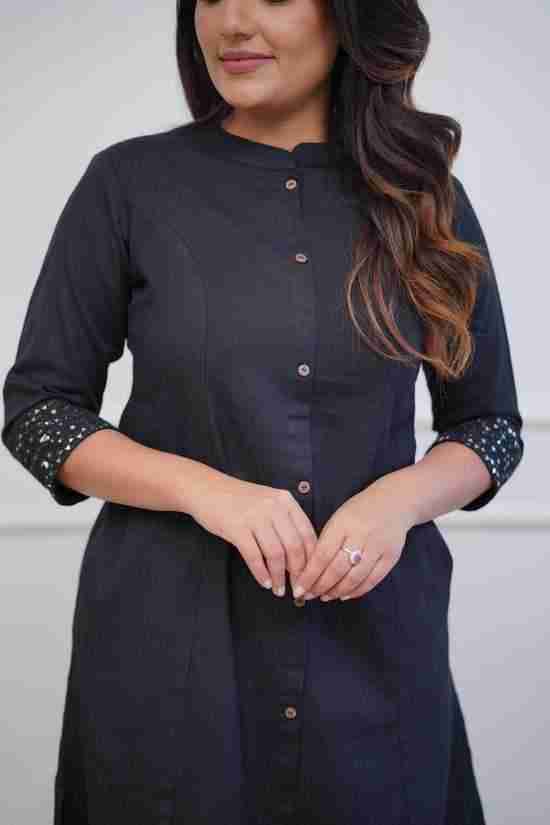
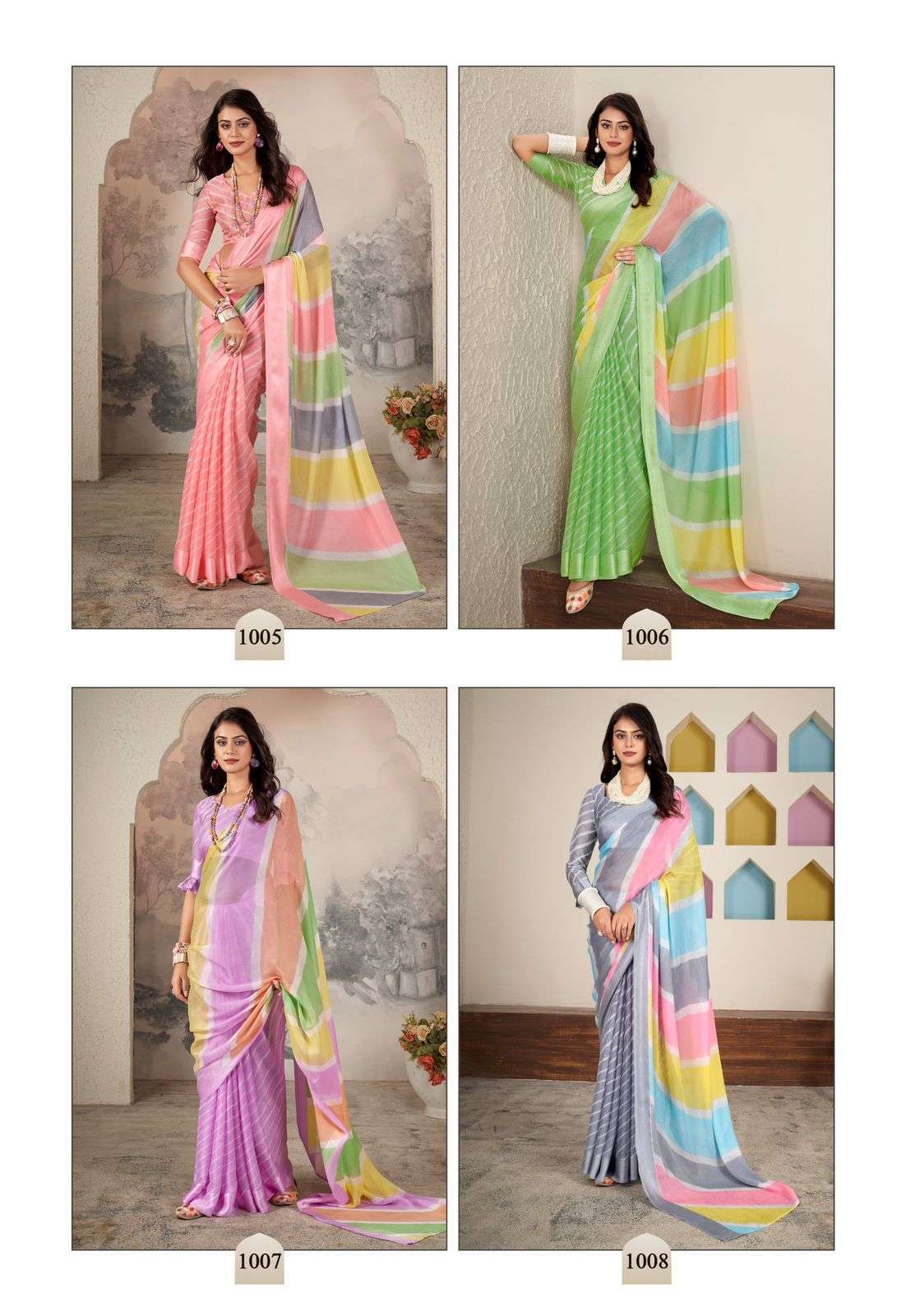

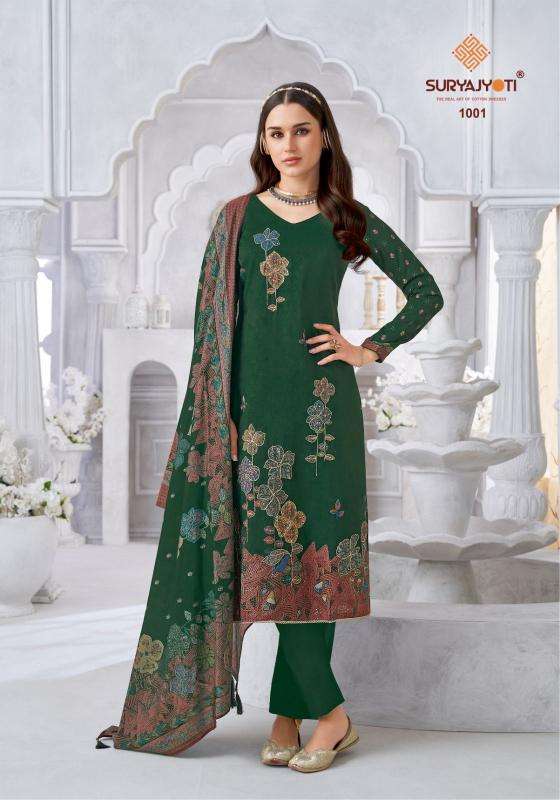
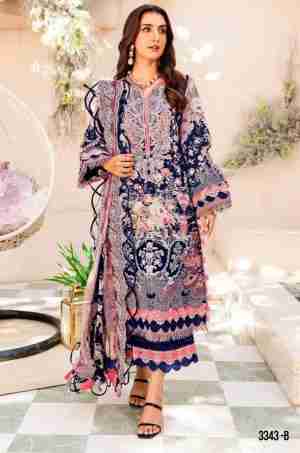


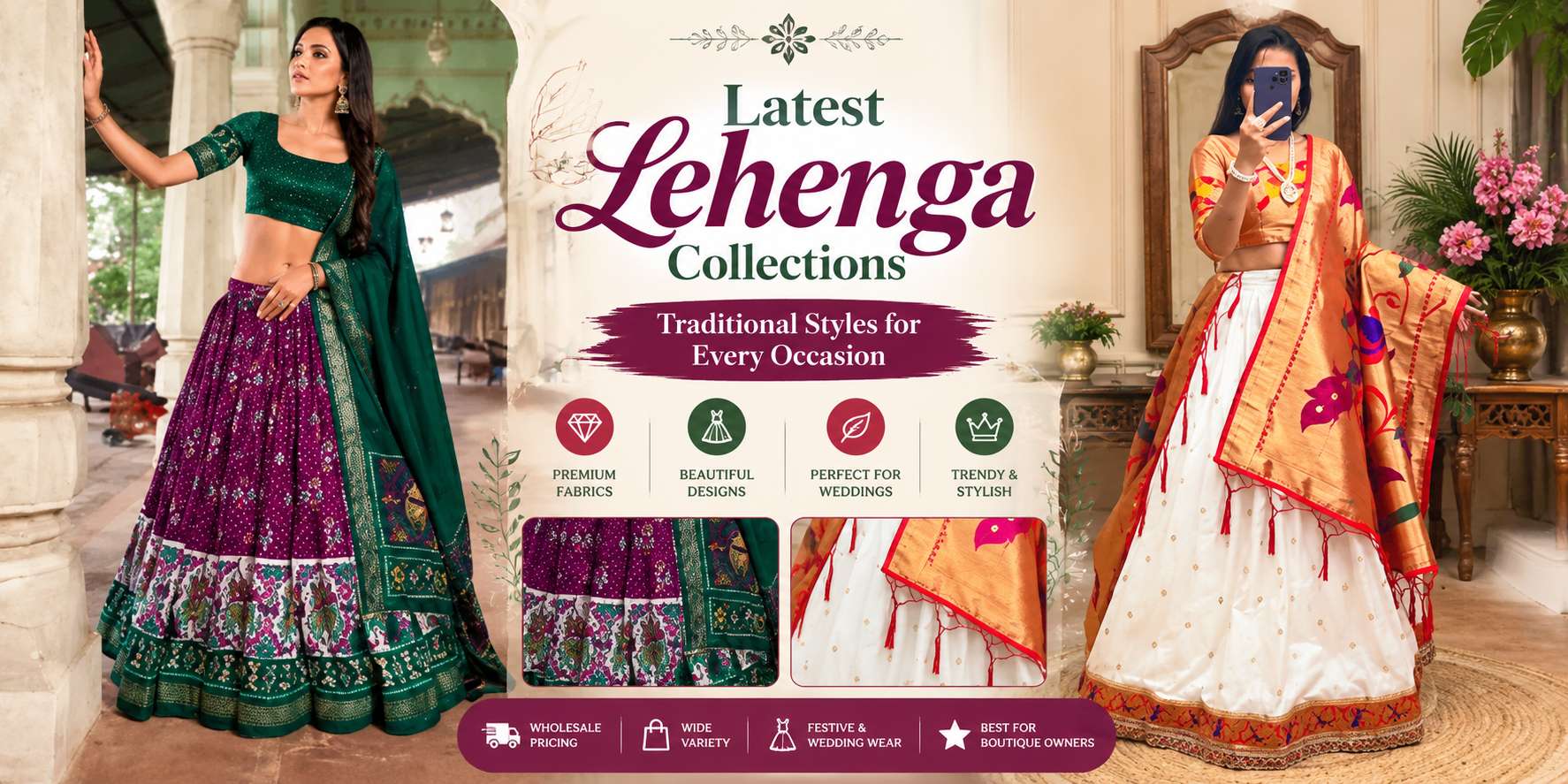
<h1><strong>How Boutique Owners Source Stock from Surat: Wholesale Buying Guide 2026</strong></h1> <p>For boutique owners, the difference between an average collection and a fast-moving collection often begins with sourcing. Surat gives buyers access to a huge variety of women’s ethnic wear, designer collections, festive styles and value-driven wholesale products. The real opportunity is not simply finding products at a low price; it is selecting the right designs, buying at a workable cost and building a reliable supply chain that can keep a boutique fresh throughout the year.</p> <h2><strong>Introduction</strong></h2> <p>Surat has developed into an important sourcing destination for retailers, boutique owners, resellers, showroom owners and wholesale buyers looking for Indian fashion products. Buyers visit the city or place wholesale orders remotely to purchase sarees, lehengas, kurtis, kurti sets, dress materials, salwar suits, Pakistani suits, festive collections and other women’s ethnic wear.</p> <p>For someone searching <strong>how boutique owners source stock from Surat</strong>, the process usually involves much more than visiting a market and choosing attractive designs. Professional sourcing requires a clear understanding of the target customer, buying budget, desired price range, product quality, minimum order quantity, supplier reliability and expected resale potential.</p> <p>Areas around the <strong>surat textile market</strong>, Ring Road and Sahara Darwaza are widely associated with textile trading activity. The broader Surat ecosystem also includes manufacturers, wholesalers, distributors and online wholesale businesses serving customers across India and international markets.</p> <p>In 2026, digital sourcing has made this process more convenient. Boutique owners do not necessarily need to travel to Surat for every restocking cycle. They can review catalogues, shortlist collections and place orders remotely when working with established suppliers. Platforms such as kapdawholesale.com can help buyers discover wholesale fashion collections while planning stock according to their own retail audience.</p> <h2><strong>Why Boutique Owners Source Clothing from Surat</strong></h2> <p>A boutique requires frequent variety. Customers who return after a few weeks generally expect to see something different rather than the same collection displayed repeatedly. This makes access to regular new arrivals an important part of boutique purchasing.</p> <p>Surat's textile ecosystem gives buyers access to products across multiple segments. A boutique may purchase affordable daily-wear kurtis for regular sales, designer suits for higher-value customers and premium lehengas for weddings or festive demand.</p> <h3><strong>Access to Multiple Wholesale Price Segments</strong></h3> <p>Every boutique has a different customer profile. One may primarily sell products below ₹1,000, while another may specialise in premium occasion wear. A third may maintain a combination of affordable and designer merchandise.</p> <p>Working with <strong>Surat wholesale clothing suppliers</strong> allows buyers to compare products across different price points. Instead of building the entire store around one category, boutique owners can create a balanced merchandise mix according to local demand.</p> <p>Purchase price should always be considered together with expected resale value. A cheaper garment is not automatically a better purchase if the design, stitching or fabric makes it difficult to sell. Similarly, a more expensive product can make commercial sense when the customer perceives sufficient value to support the selling price.</p> <h3><strong>Regular Access to New Fashion Collections</strong></h3> <p>Fashion inventory moves differently from many other retail products. Colours, silhouettes, prints and embellishment trends can change quickly, especially around festivals and wedding seasons.</p> <p>That is why boutique owners frequently search for <strong>latest wholesale ethnic wear</strong>, designer kurtis, new lehenga collections, festive suits, Pakistani styles and trending women's clothing rather than purchasing the same catalogue repeatedly.</p> <p>A supplier capable of offering regular launches can help the retailer keep the boutique visually fresh and create new reasons to contact existing customers.</p> <h2><strong>How Boutique Owners Plan Their Surat Wholesale Purchase</strong></h2> <p>Successful sourcing normally starts before an order is placed. Buyers who purchase only because a catalogue looks attractive can easily end up with too much slow-moving stock. A better approach is to define what the business needs before reviewing products.</p> <h3><strong>Set a Buying Budget</strong></h3> <p>Decide how much working capital can realistically be invested in the next buying cycle. The amount should leave enough liquidity for operating expenses and future restocking.</p> <p>For example, if a boutique has ₹1,00,000 available for new inventory, it may be more practical to divide that amount among proven fast-moving products, fresh styles and a smaller number of premium pieces instead of putting the full amount into one collection.</p> <p>This approach gives the retailer more flexibility. If one category performs strongly, it can be reordered. If another receives weak customer response, the initial exposure remains controlled.</p> <h3><strong>Know the Target Selling Price Before Buying</strong></h3> <p>Before placing a wholesale order, the boutique owner should have an approximate retail price in mind. If customers generally purchase kurtis around a particular price point, sourcing far above that level may create unnecessary selling pressure.</p> <p>The calculation should include the supplier's wholesale price, freight, packaging, applicable taxes, payment costs and other relevant expenses. This gives a more realistic landed cost for the product.</p> <h3><strong>Buy According to Customer Demand</strong></h3> <p>Sales history can provide valuable guidance. Boutique owners should identify which sizes, colours, fabrics, silhouettes and price ranges customers actually purchase.</p> <p>If straight kurti sets repeatedly outperform heavy festive suits, the next order should reflect that demand. Purchasing decisions based on actual transactions are generally more useful than selecting stock only according to personal taste.</p> <img src="https://kapdawholesale.com/images/product/2025/07/kanta-bai-jacquard-silk-wholesale-lehenga-choli-online-2025-07-07_09_20_32.jpeg"/> <h2><strong>What Products Do Boutique Owners Commonly Source from Surat?</strong></h2> <p>The ability to source multiple ethnic wear categories from one textile ecosystem is useful for retailers who want to develop a complete store assortment.</p> <h3><strong>Kurtis and Kurti Sets</strong></h3> <p><strong>Wholesale kurtis from Surat</strong> can serve everyday, office, casual and festive customer segments. Straight kurtis, Anarkali designs, kurti-pant sets, kurti-pant-dupatta sets, printed styles, embroidered products and plus-size collections can all form part of a boutique assortment.</p> <p>These products can be particularly useful for businesses that depend on regular repeat customers because women may purchase multiple kurti styles throughout the year rather than only during major occasions.</p> <h3><strong>Lehengas and Wedding Collections</strong></h3> <p>Wedding and festive merchandise can create higher-value transactions for boutiques. Designer lehengas, embroidered lehenga cholis, silk-look collections, bridal styles and lighter celebration wear can be selected according to the boutique's customer segment.</p> <p>However, premium stock should be purchased carefully because the capital requirement per piece can be higher. Boutique owners should compare design exclusivity, fabric, embroidery, finishing and realistic selling potential before committing to larger quantities.</p> <h3><strong>Pakistani Suits and Designer Salwar Suits</strong></h3> <p>Pakistani-inspired silhouettes continue to provide another category for retailers seeking elegant ethnic and semi-formal merchandise. Straight-cut suits, embroidered suits, premium dupatta combinations and coordinated sets can appeal to customers looking for a different styling option from conventional kurti sets.</p> <h3><strong>Sarees</strong></h3> <p>A boutique can select sarees according to its local customer profile, including printed sarees, festive sarees, designer sarees, silk-look products and occasion wear. Instead of carrying every possible category, smaller boutiques can test selected catalogues and expand according to response.</p> <h3><strong>Dress Materials</strong></h3> <p>Unstitched dress materials remain relevant for customers who prefer personalised fitting or tailoring. Cotton, printed, embroidered and festive dress materials can complement ready-made products and widen the boutique's assortment.</p> <h2><strong>How to Choose a Reliable Surat Wholesale Supplier</strong></h2> <p>Finding a product is easy compared with building a dependable sourcing relationship. A boutique that intends to purchase repeatedly should evaluate suppliers on factors beyond the lowest quoted price.</p> <h3><strong>Check Product Quality and Catalogue Accuracy</strong></h3> <p>The product delivered should reasonably correspond with the catalogue presentation and stated specifications. Buyers should pay attention to fabric, colour, stitching, finishing, embroidery and overall presentation.</p> <p><strong>Premium product quality</strong> becomes particularly important for boutiques because the end customer often examines garments closely before purchasing. Inconsistent quality can affect both returns and customer trust.</p> <h3><strong>Understand MOQ Before Ordering</strong></h3> <p>Minimum order quantity can vary by product, catalogue and supplier. Some products may require purchasing a complete catalogue or set, while others may offer more flexible quantities.</p> <p>For smaller boutiques and home-based sellers, MOQ directly affects inventory risk. A collection may have an attractive wholesale rate, but a high compulsory quantity could require more investment than the seller wants to place in an untested design.</p> <h3><strong>Ask About Stock Availability</strong></h3> <p>Fast-moving wholesale products can sell out. A boutique owner should therefore confirm availability when preparing the order rather than assuming that an older catalogue is still ready for dispatch.</p> <p>This becomes particularly important during wedding and festival periods when popular designs may move quickly through the wholesale market.</p> <h3><strong>Understand Dispatch and Shipping</strong></h3> <p>A wholesale order is not complete until the merchandise reaches the buyer. Ask about packing, dispatch time and shipping arrangements before confirming the purchase.</p> <p>Buyers ordering from another Indian state should also consider transport time when planning seasonal merchandise. If products are intended for a specific festival or promotion, stock needs to arrive early enough to be photographed, displayed, promoted and sold before peak demand passes.</p> <h2><strong>Surat Textile Market, Ring Road and Sahara Darwaza Sourcing</strong></h2> <p>Physical market sourcing remains useful for buyers who want to inspect a large number of products during one visit. The <strong>surat textile market</strong> ecosystem around Ring Road and nearby trading areas gives wholesale buyers exposure to numerous textile businesses.</p> <p>A planned visit is generally more productive than walking through markets without a buying strategy. Boutique owners can prepare a list of required categories, approximate quantities and budget ranges before arriving.</p> <p>For example, a buyer may decide beforehand to source kurti sets, festive suits and selected lehengas. This prevents the entire budget from being spent on the first attractive collection encountered.</p> <p>Sahara Darwaza and Ring Road are also useful geographical references when buyers discuss Surat textile sourcing. However, a buyer should still verify the individual supplier, product details, billing terms and commercial conditions before placing an order.</p> <h2><strong>Online Surat Sourcing for Boutique Owners in 2026</strong></h2> <p>One of the biggest changes in wholesale fashion sourcing is the ability to purchase without travelling for every order. Product catalogues, messaging platforms, websites and digital payments have made remote wholesale buying more practical.</p> <p>For a boutique outside Gujarat, travel involves transportation, accommodation and time away from the business. Online sourcing can reduce some of those costs, particularly for repeat orders and established supplier relationships.</p> <p>kapdawholesale.com provides a digital route for buyers searching for wholesale ethnic wear and fashion collections. Boutique owners can use online sourcing to review products and shortlist options according to their store's required price segment.</p> <h3><strong>Why Online Wholesale Buying Works for Repeat Restocking</strong></h3> <p>Once a retailer understands a supplier's quality and working process, repeat purchases can become more convenient. The buyer can review fresh catalogues, select suitable products and arrange delivery without physically visiting Surat every time.</p> <p>This can be particularly helpful for boutique owners in <strong>India</strong> as well as international wholesale buyers serving customers in markets such as <strong>Nepal</strong> and <strong>Australia</strong>. International orders require additional attention to export documentation, freight, customs requirements and destination costs.</p> <h3><strong>Use a Hybrid Sourcing Strategy</strong></h3> <p>Physical and online sourcing do not need to compete with each other. A boutique owner can visit Surat to develop supplier relationships and understand product quality, then use online ordering for regular restocking.</p> <p>This hybrid approach can provide the confidence of physical sourcing together with the convenience of digital buying.</p> <h2><strong>Manufacturing, Wholesaling and Why the Difference Matters</strong></h2> <p>Boutique owners frequently search for <strong>Surat clothing manufacturers</strong> because direct manufacturing sounds like the obvious route to better buying prices. However, the lowest source level is not automatically the most suitable source for every boutique.</p> <p>A manufacturing unit may specialise in particular products and may require quantities that make sense for production. A wholesaler, on the other hand, may provide access to multiple manufacturers or categories and potentially offer greater assortment flexibility.</p> <p>For a small boutique, assortment can sometimes be more commercially valuable than purchasing a very large quantity of one design. For a large showroom or wholesale buyer, higher-volume manufacturing relationships may become more relevant.</p> <p>The right sourcing structure therefore depends on order quantity, required variety, buying frequency and business scale.</p> <h2><strong>How Vastralife’s Industry Experience Supports Wholesale Understanding</strong></h2> <p>Vastralife has been working with wholesale and export customers since 2017, building experience around women's fashion sourcing, customer requirements and textile industry operations. That experience highlights an important principle for boutique owners: wholesale buying should be approached as a repeatable business process rather than a one-time hunt for cheap products.</p> <p>Product selection, <strong>manufacturing</strong> understanding, premium quality, supplier communication, inventory planning and dispatch reliability all contribute to the final retail result.</p> <p>For boutique owners exploring kapdawholesale.com, the objective should therefore be to identify products that fit their own customer base and commercial model instead of purchasing simply because a design appears fashionable.</p> <h2><strong>Calculate Landed Cost Before Finalising Your Wholesale Order</strong></h2> <p>Suppose a boutique purchases 20 garments at ₹700 each. The merchandise value is ₹14,000. If freight, packing and other applicable purchase-related expenses add ₹1,200, the effective landed inventory cost becomes ₹15,200, or ₹760 per piece before the boutique's own selling expenses.</p> <p>If the retailer calculates markup only from the original ₹700 supplier price, the expected margin will be overstated. This is why professional wholesale purchasing should always work from the effective landed cost.</p> <p>The same principle becomes even more important for <strong>export orders</strong>, where international freight, documentation and destination-related charges can materially affect the final economics.</p> <p>Once this calculation is clear, the boutique can decide whether the expected selling price leaves enough room for marketing, overheads, discounts and profit.</p>
<p>For boutiques selling through social media, WhatsApp, marketplaces or physical stores, landed-cost calculations are equally important. A product that appears inexpensive at the buying stage may produce a weak return once delivery charges, promotional discounts and operating expenses are included. Buyers who calculate these costs before purchasing can select stock with a more realistic resale opportunity.</p> <p>Another practical approach is to compare several products within the same selling-price band. Instead of choosing purely on wholesale price, consider which design provides the strongest combination of fabric, finishing, styling and perceived customer value. This can help a boutique protect its margin without depending entirely on high markups.</p> <h2><strong>How Much Stock Should a Boutique Buy from Surat?</strong></h2> <p>There is no single quantity that works for every boutique. Buying decisions should depend on customer traffic, previous sales, available capital, storage space and the frequency at which the business can reorder.</p> <p>New boutique owners and home-based sellers can benefit from building variety before building depth. For example, purchasing several carefully selected styles in controlled quantities can provide more information about customer preferences than investing the same amount in a large quantity of one untested design.</p> <h3><strong>Start with Fast-Moving Categories</strong></h3> <p>Regular-wear kurtis, kurti sets, salwar suits, dress materials and selected sarees can provide recurring sales opportunities because they are not restricted to a single occasion. Depending on the boutique's audience, festive and wedding products can then be added as higher-value categories.</p> <p>Shop owners should monitor which products receive enquiries and which actually convert into purchases. Enquiries alone can be misleading. A design may attract attention on Instagram but fail to generate enough paid orders at its final retail price.</p> <h3><strong>Use Smaller Test Orders for New Designs</strong></h3> <p>When minimum-order conditions allow it, a controlled test order can help evaluate a new style before committing more capital. If the first stock sells quickly, the boutique can check availability for a repeat order.</p> <p>This strategy is particularly useful in 2026 because customers see new fashion through reels, influencer content, marketplaces and online catalogues almost every day. Retailers therefore need enough flexibility to respond when customer preferences change.</p> <img src="https://kapdawholesale.com/images/product/2025/07/sitara-tussar-silk-wedding-lehenga-wholesale-surat-2025-07-07_09_19_40.jpeg" /> <h2><strong>Build a Profitable Product Mix Instead of Buying One Category</strong></h2> <p>A strong boutique assortment can combine products serving different purchase occasions. Daily wear can generate regular transactions, while festive and wedding collections can increase average order value during seasonal periods.</p> <p>For example, a retailer may combine cotton kurti sets, designer salwar suits, sarees and a limited number of lehengas. Another boutique specialising in premium ethnic fashion may focus more heavily on embroidered suits, wedding lehengas and coordinated occasion wear.</p> <p>Buyers looking for premium wedding inventory can explore a <a href="https://www.kapdawholesale.com/lehenga-wholesaler-in-surat">lehenga wholesaler in Surat</a> category while planning products for bridal, festive and celebration demand.</p> <p>Boutiques serving wedding shoppers may also find <a href="https://www.kapdawholesale.com/couple-wear">couple wear</a> useful as an additional category when customers want coordinated outfits for pre-wedding functions, family celebrations or festive photography.</p> <h3><strong>Balance Affordable and Premium Products</strong></h3> <p>A common inventory mistake is carrying merchandise within a very narrow price band. Unless the boutique deliberately targets a specific niche, having multiple price points can make the collection accessible to a wider range of customers.</p> <p>Entry-level products can bring customers into the business, mid-range products can support regular transactions, and carefully selected premium merchandise can increase ticket size. The exact balance should come from the boutique's actual sales data.</p> <h3><strong>Plan Stock Around Festivals and Weddings</strong></h3> <p>Seasonal buying should happen early enough to allow time for shipping, photography, customer promotion and selling. Waiting until demand has already peaked can reduce the effective selling window.</p> <p>For festive periods, boutique owners can consider embroidered suits, designer kurti sets, sarees, lehengas and other <strong>trendy ethnic wear</strong>. Wedding-oriented stores may increase the share of embellished products and premium fabrics.</p> <p>Seasonal stock should still be controlled carefully. A product that is highly relevant before a festival can become harder to move immediately afterward, especially when its design is strongly occasion-specific.</p> <h2><strong>Buying Stock from Surat for Online Reselling</strong></h2> <p>Home-based sellers and online resellers often operate differently from conventional showrooms. They may have lower fixed costs, but they also need product images, quick customer communication and dependable availability to sell effectively.</p> <p>A reseller can shortlist products, promote selected collections to customers and gradually identify the styles that receive consistent orders. Working with a reliable <strong>Surat wholesale supplier</strong> becomes particularly important because stock availability can change between customer enquiry and order confirmation.</p> <p>kapdawholesale.com can be used by buyers searching for wholesale collections remotely rather than travelling to Surat for every purchasing cycle. This is useful for sellers operating outside Gujarat and buyers who want regular access to changing fashion catalogues.</p> <h3><strong>Focus on Products That Are Easy to Present Online</strong></h3> <p>Clear product photography, visible garment details and accurate descriptions can help customers make decisions remotely. Retailers should also communicate relevant information such as fabric, size availability, set contents and styling details instead of relying only on a model image.</p> <p>Products with strong visual appeal can work well for Instagram, Facebook, WhatsApp and other digital sales channels, but the final purchase decision still depends on price, trust and product suitability.</p> <h3><strong>Keep Your Inventory Turnover Moving</strong></h3> <p>Inventory turnover matters because money locked in unsold merchandise cannot be used to purchase newer stock. Boutique owners should regularly review older inventory and identify products that need additional promotion, bundling or commercially sensible discounting.</p> <p>When a design performs strongly, restocking it quickly can be more effective than continuously searching for an entirely new product. A combination of proven repeat sellers and fresh arrivals can create a healthier buying cycle.</p> <h2><strong>Wholesale Sourcing for International Boutique Owners</strong></h2> <p>Surat's textile industry also serves overseas buyers interested in Indian ethnic fashion. Boutique owners in countries such as <strong>Nepal, Australia and Malaysia</strong> can source products from India, although international buying requires additional planning compared with domestic orders.</p> <p>International buyers should consider merchandise cost together with freight, customs, import requirements and local delivery expenses. The wholesale price in India is only one part of the final landed cost.</p> <h3><strong>Select Products for the Destination Market</strong></h3> <p>A product that performs well in one country may not have the same demand in another. Climate, festival calendar, local fashion preferences, diaspora communities and typical retail price all influence product selection.</p> <p>For example, an overseas boutique targeting Indian-origin customers may maintain traditional suits, sarees and festive wear while also selecting lighter contemporary ethnic designs for everyday use.</p> <h3><strong>Consolidate Orders Commercially</strong></h3> <p>International freight can materially influence per-piece cost. Depending on the shipment and destination, combining appropriate products into a commercially planned order may produce a more workable landed cost than repeatedly sending very small consignments.</p> <p>However, buyers should not increase quantities solely to reduce freight per piece. The merchandise must still have sufficient expected demand in the destination market.</p> <h2><strong>How to Place a Better Wholesale Order in 2026</strong></h2> <p>A professional wholesale order should be based on a repeatable purchasing system. Before payment, buyers should confirm the products, quantities, sizes where applicable, catalogue details, price, stock status and dispatch terms.</p> <p>For boutique owners asking <strong>how boutique owners source stock from Surat</strong>, this systematic approach is more important than simply finding the cheapest catalogue available.</p> <h3><strong>Create a Purchase Checklist</strong></h3> <ul> <li>Define the category required for the next sales cycle.</li> <li>Set the maximum buying budget.</li> <li>Choose a target wholesale and retail price range.</li> <li>Check fabric, design, size and product specifications.</li> <li>Confirm minimum order requirements.</li> <li>Verify current stock availability.</li> <li>Calculate shipping and final landed cost.</li> <li>Confirm payment and dispatch conditions.</li> <li>Keep invoices and purchase records organised.</li> <li>Review actual sales before placing the next order.</li> </ul> <p>This simple process can help a boutique move from impulse purchasing toward data-based stock management.</p> <h3><strong>Maintain More Than One Product Segment</strong></h3> <p>Even when one category performs exceptionally well, boutiques can benefit from monitoring adjacent categories. A seller known for kurtis, for example, may discover additional demand for dress materials, sarees or festive suits among the same customers.</p> <p>The objective is not to stock everything. It is to identify categories that naturally complement existing customer demand and can increase the value of each customer relationship.</p> <h2><strong>Common Wholesale Buying Mistakes Boutique Owners Should Avoid</strong></h2> <p>Good sourcing is as much about avoiding poor purchases as finding good products. A few recurring mistakes can unnecessarily lock up working capital.</p> <h3><strong>Buying Only Because the Price Is Low</strong></h3> <p>A low wholesale price has little value if customers do not want the product. Design, fabric, fit, finishing and perceived retail value should be evaluated together.</p> <h3><strong>Ordering Too Much of an Untested Collection</strong></h3> <p>Large quantities can improve buying economics in some cases, but they also increase inventory exposure. Test new categories at a sensible scale before expanding.</p> <h3><strong>Ignoring Freight in Margin Calculations</strong></h3> <p>Always calculate the landed cost. This is particularly important for buyers located far from Surat and for export customers.</p> <h3><strong>Following Trends Without Checking Your Customer Base</strong></h3> <p>A viral fashion trend does not automatically become a profitable boutique product. Your own customers' age group, lifestyle, budget and local preferences should influence purchasing decisions.</p> <h3><strong>Depending on One Seasonal Buying Trip</strong></h3> <p>Fashion retail benefits from regular freshness. Rather than purchasing everything at once, boutique owners can plan periodic restocking where commercially practical. This gives them opportunities to respond to new demand and reduce dependence on older inventory.</p> <h2><strong>Internal Linking Section: Explore Related Wholesale Categories</strong></h2> <p>Boutique owners building their inventory should organise sourcing by customer requirement rather than purchasing random catalogues. Start with the category generating the strongest regular demand, then add complementary products that can increase customer choice and average transaction value.</p> <p>When comparing products on kapdawholesale.com, evaluate each collection using practical factors such as wholesale price, fabric, styling, expected selling price, target customer, season and order quantity. This keeps purchasing focused on commercial potential rather than catalogue volume.</p> <p>For buyers who visit Surat personally, understanding the textile ecosystem around <strong>Ring Road</strong>, <strong>Sahara Darwaza</strong> and surrounding wholesale markets can also make supplier discussions more efficient. Online buyers can apply the same discipline by creating a shortlist before confirming their order.</p> <h2><strong>Customer FAQs</strong></h2> <h3><strong>1. Can a small boutique source wholesale clothing from Surat?</strong></h3> <p>Yes. Small boutiques, home-based sellers and resellers can source from Surat, but minimum order requirements vary by supplier and product. Buyers should confirm the applicable MOQ before ordering and select quantities that fit their working capital.</p> <h3><strong>2. What products can boutique owners source from Surat?</strong></h3> <p>Boutique owners commonly source kurtis, kurti sets, sarees, salwar suits, Pakistani suits, dress materials, lehengas, festive wear and other women's ethnic clothing. The right categories depend on the boutique's customer profile and selling price range.</p> <h3><strong>3. Is it necessary to visit Surat to purchase wholesale stock?</strong></h3> <p>No. Physical visits can be useful for understanding suppliers and inspecting merchandise, but established buyers can also purchase through online wholesale channels. Remote sourcing is especially convenient for repeat purchases and businesses located outside Gujarat.</p> <h3><strong>4. How should a boutique calculate its buying cost?</strong></h3> <p>Start with the merchandise price and add relevant freight, packaging, taxes and other purchase-related expenses. The resulting landed cost provides a better base for deciding the retail selling price and expected margin.</p> <h3><strong>5. Is Surat suitable for international wholesale buyers?</strong></h3> <p>Yes, Surat serves domestic and international textile buyers. Overseas boutique owners should additionally consider export documentation, freight, customs, import rules and destination charges before finalising an order.</p> <h3><strong>6. How often should a boutique purchase new stock?</strong></h3> <p>The right frequency depends on sales velocity and available working capital. Many retailers benefit from smaller, more regular buying cycles because they can introduce fresh merchandise without putting too much money into one collection.</p> <h3><strong>7. Should boutique owners buy directly from manufacturers?</strong></h3> <p>It depends on quantity and product requirements. Direct manufacturing can suit buyers requiring larger volumes or specific products, while wholesalers can be useful when a boutique needs more variety across multiple brands or categories.</p> <h3><strong>8. What should I check before paying a wholesale supplier?</strong></h3> <p>Confirm product details, quantity, price, availability, minimum-order requirements, payment terms and expected dispatch arrangements. New buyers should also understand the supplier's applicable policies before completing the transaction.</p> <h2><strong>Source Your Next Boutique Collection from Surat</strong></h2> <p>If you are planning your next buying cycle, explore kapdawholesale.com for wholesale fashion collections suited to boutiques, shops, showrooms, home-based sellers, resellers and wholesale buyers.</p> <p>Discover <strong>Latest Collections</strong>, competitive <strong>Wholesale Pricing</strong>, <strong>Trendy Ethnic Wear</strong>, <strong>Fast Shipping</strong>, <strong>COD Support</strong>, <strong>Bulk Order Deals</strong> and <strong>Quality Products Starting From ₹299</strong>.</p> <p>With Vastralife's wholesale and export experience since 2017, industry knowledge and focus on premium product quality, buyers can approach sourcing with the long-term objective of maintaining variety, quality and commercially workable inventory.</p> <p><strong>Contact:</strong> +91 9712582172<br> <strong>Website:</strong> kapdawholesale.com</p> <p>Whether you operate a small home boutique, an established retail shop or a larger showroom, successful Surat sourcing begins with the same principle: buy for your customer, understand your complete cost and keep enough flexibility to restock what actually sells. A disciplined purchasing process can turn Surat's enormous product variety into a practical supply advantage for your boutique in 2026 and beyond.</p>