





<h1><strong>Diwali Wholesale Clothing Stock Planning Guide – Festive Buying Strategy 2026</strong></h1>
<p>Diwali can be one of the most valuable selling periods of the year for women's ethnic wear businesses, but strong festive demand does not automatically guarantee profitable inventory. Retailers need the right combination of products, quantities, price ranges and buying timelines. A well-planned festive assortment can help businesses serve more customers, generate repeat orders and reduce the risk of being left with excessive seasonal stock after the celebrations.</p>
<h2><strong>Introduction</strong></h2>
<p>For Home-Based Sellers, Shop Owners, Boutique Owners, Showroom Owners, Resellers and Wholesale Buyers, festive inventory requires more planning than simply purchasing attractive products. Customers shop for Diwali across different budgets and occasions, including family celebrations, office functions, gifting, parties, puja ceremonies and festive gatherings. A practical <strong>Diwali wholesale clothing stock planning</strong> strategy should therefore include several categories instead of depending on one product type.</p>
<p>Surat is an important sourcing destination because of its large textile <strong>manufacturing</strong>, processing, embroidery, trading and distribution network. The <strong>surat textile market</strong>, including the broader wholesale ecosystem around <strong>Ring Road</strong> and <strong>Sahara Darwaza</strong>, gives retailers access to sarees, kurtis, kurti sets, dress materials, salwar suits, lehengas and other festive women's wear.</p>
<p>Retailers who cannot visit Surat repeatedly can also explore wholesale collections through <strong>kapdawholesale.com</strong>. Online product discovery can help buyers plan inventory, review new arrivals and prepare repeat orders without waiting for another physical sourcing trip.</p>
<h2><strong>Start Diwali Wholesale Stock Planning Early for 2026</strong></h2>
<p>Timing is one of the most important elements of festive purchasing. Retailers who wait until customers begin asking heavily for Diwali products may already be late. Popular designs, sizes and colors can move quickly, and late purchasing also reduces the time available for merchandising and promotion.</p>
<p>A practical <strong>Diwali wholesale clothing stock planning</strong> approach for <strong>2026</strong> is to divide purchasing into phases. An initial order can establish variety, while later purchases can focus on products receiving stronger customer responses.</p>
<h3><strong>First Buying Phase: Build the Core Collection</strong></h3>
<p>The first wholesale order should establish the foundation of the festive range. Rather than buying excessive quantities of a few products, retailers can select a wider mix across sarees, kurtis, suit sets and other ethnic wear categories relevant to their customers.</p>
<p>This approach gives businesses time to understand early buying patterns. A Boutique Owner may discover that premium suits receive more inquiries than expected, while another Shop Owner may see stronger demand for affordable festive sarees.</p>
<h3><strong>Second Buying Phase: Follow Customer Demand</strong></h3>
<p>Once customers begin responding to the collection, the second order can become more focused. Retailers can increase quantities in successful colors, styles, sizes and <strong>price</strong> ranges instead of repeating the complete first purchase.</p>
<p>Home-Based Sellers and online Resellers can use WhatsApp responses, customer messages and actual bookings to guide this stage. Physical retailers can monitor trials, inquiries and completed sales.</p>
<h3><strong>Final Buying Phase: Fast-Moving Replenishment</strong></h3>
<p>As Diwali approaches, purchasing should become increasingly selective. The objective is no longer to introduce every possible category but to replenish proven fast-moving products while avoiding excessive unsold inventory.</p>
<p>Retailers should also consider whether the product has post-Diwali selling potential. Sarees, kurtis and versatile suits may continue selling for weddings and other occasions, reducing the risk associated with late festive purchasing.</p>
<h2><strong>Best Diwali Wholesale Clothing Categories for Retailers</strong></h2>
<p>A strong <strong>Diwali ethnic wear wholesale</strong> assortment should provide choices for different customers. Some shoppers want an affordable outfit for an office celebration, while others are prepared to invest in premium clothing for family functions and festive parties.</p>
<p>Instead of putting the entire buying budget into one category, retailers can create a balanced mix of products with different retail values and styling purposes.</p>
<h3><strong>Diwali Sarees Wholesale</strong></h3>
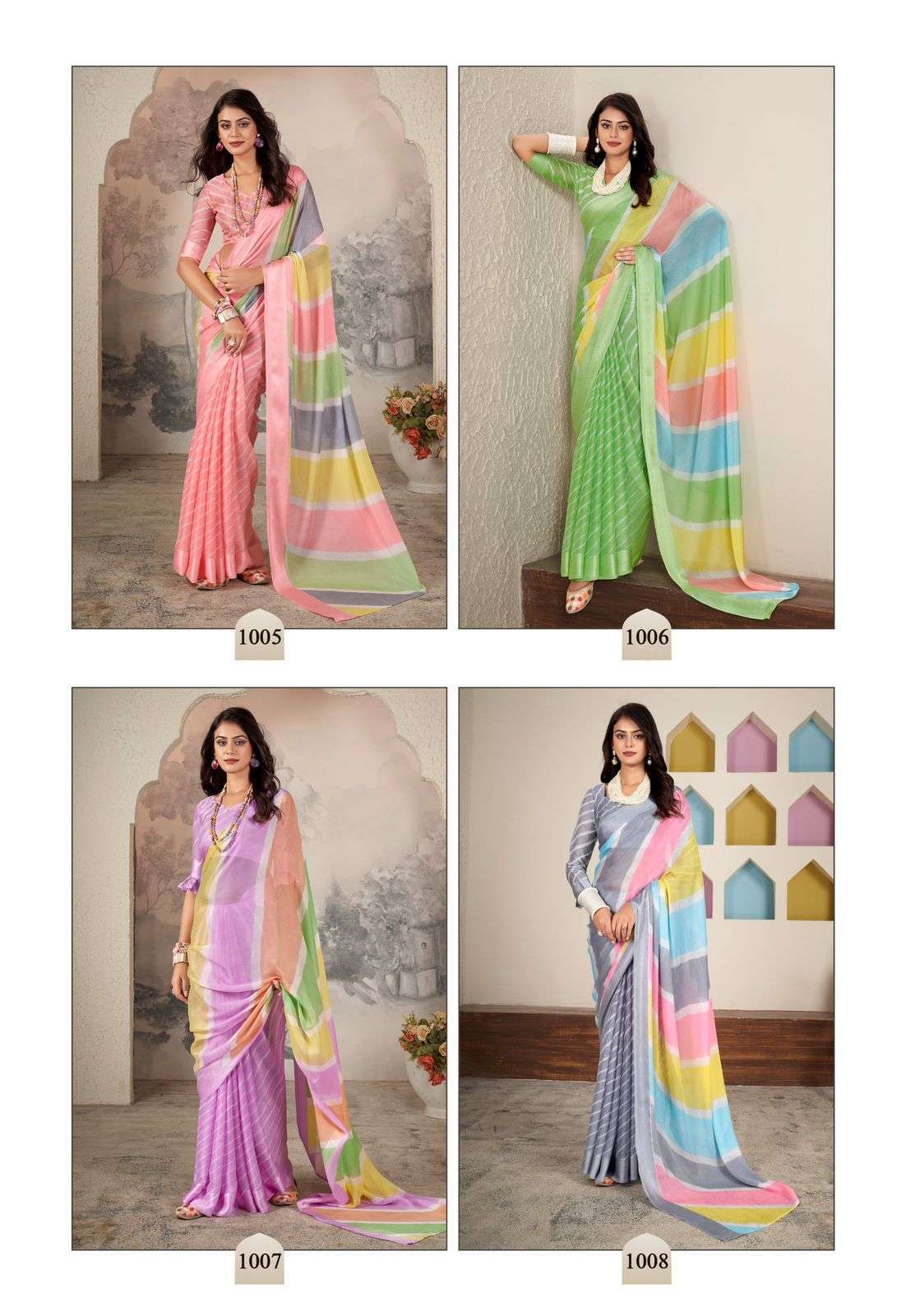
<p><strong>Diwali sarees wholesale</strong> remain an important category because sarees work across age groups and festive occasions. Bandhani-inspired designs, fancy sarees, lightweight festive sarees, embroidered styles and elegant party-wear collections can provide retailers with several selling segments.</p>
<p>Shop Owners should consider both appearance and wearability. Heavy products may attract premium buyers, while lightweight sarees can appeal to customers who want festive styling without difficult draping or excessive weight.</p>
<h3><strong>Bandhani and Bandhej Sarees</strong></h3>
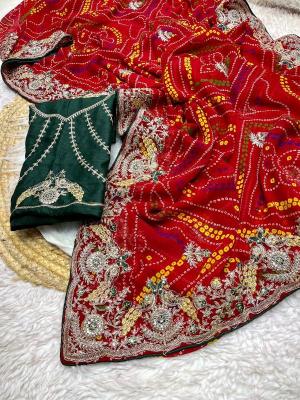
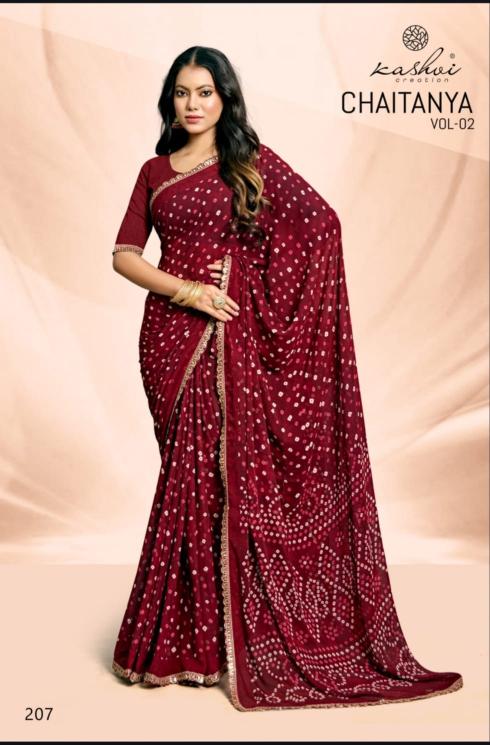
<p>Traditional designs continue to hold strong festive appeal. <strong>Bandhani saree wholesale</strong> and Bandhej-inspired collections can work particularly well for customers who prefer a colorful Indian aesthetic for Diwali celebrations.</p>
<p>Retailers can maintain a combination of traditional red, maroon and green tones alongside contemporary color combinations. This helps serve customers looking for classic festive styling as well as younger buyers wanting something different.</p>
<h3><strong>Diwali Kurti Wholesale Collections</strong></h3>
<p><strong>Diwali kurti wholesale</strong> products can serve customers seeking comfortable festive wear at accessible price points. Embroidered kurtis, printed styles, mirror-inspired designs and coordinated kurti sets can be offered for office celebrations, puja gatherings and family events.</p>
<p>Kurtis are also useful for Home-Based Sellers because they can be promoted throughout the year. If selected carefully, leftover festive inventory may continue selling after Diwali instead of becoming completely seasonal stock.</p>
<h3><strong>Festive Kurti Sets Wholesale</strong></h3>
<p><strong>Festive kurti sets wholesale</strong> can increase perceived product value by providing customers with coordinated outfits. Kurta-pant sets, kurti-palazzo combinations and sets with dupattas can appeal to customers who prefer ready-to-wear styling.</p>
<p>Boutique Owners can select more detailed sets for premium buyers, while high-volume retailers can maintain affordable options for customers prioritizing value.</p>
<h3><strong>Diwali Salwar Suits and Dress Materials</strong></h3>
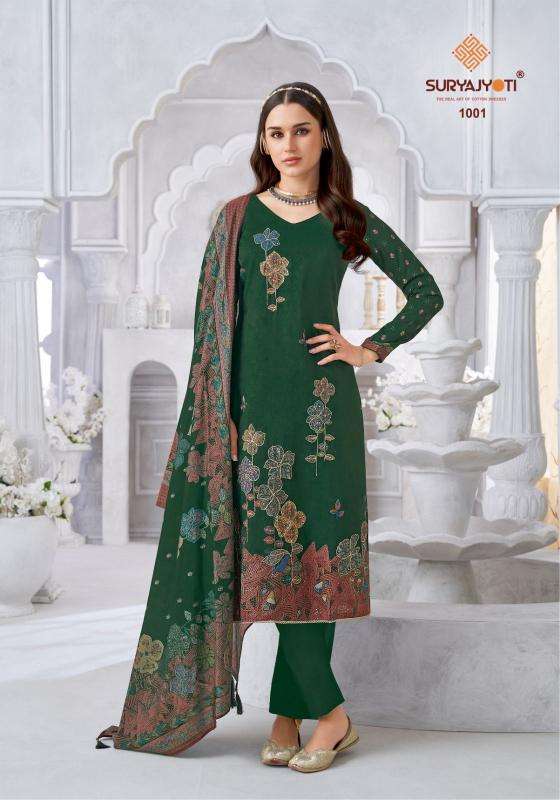
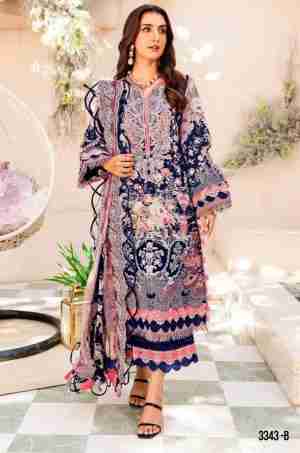
<p><strong>Diwali suits wholesale</strong> collections can include embroidered suits, festive salwar sets, traditional dress materials and contemporary coordinated styles. Unstitched dress materials remain useful for customers who prefer customized fitting, while stitched sets provide convenience.</p>
<p>A retailer serving a diverse customer base can stock both formats. The exact ratio should depend on previous sales and whether customers in the local market typically prefer ready-made or tailored clothing.</p>
<h2><strong>How to Divide Your Diwali Wholesale Buying Budget</strong></h2>
<p>Wholesale inventory should be treated as working capital rather than simply as merchandise. Every product occupying shelf space represents money that needs to return through a sale. This makes budget allocation particularly important during a high-volume festive season.</p>
<p>A practical approach is to divide the purchasing budget between fast-moving core products, trend-based designs, premium collections and a reserve amount for repeat orders. The exact percentage should be adjusted according to the retailer's previous sales history.</p>
<h3><strong>Keep More Budget for Proven Products</strong></h3>
<p>If a retailer already knows that certain sarees, kurti sets or suits sell consistently, those categories can receive a larger portion of the initial budget. Proven products provide a stronger foundation than relying entirely on experimental designs.</p>
<p>Previous Diwali sales records can be especially useful. Check which price ranges, colors, sizes and categories moved fastest and use that information while planning <strong>Diwali wholesale clothing stock</strong> for 2026.</p>
<h3><strong>Reserve Capital for Repeat Orders</strong></h3>
<p>Using the complete purchasing budget before customer demand becomes clear can reduce flexibility. Keeping part of the capital available allows the retailer to reorder products that actually begin selling.</p>
<p>This approach can be valuable when sourcing from Surat because new catalogs may continue entering the market throughout the season. Retailers with available purchasing capacity can respond to successful trends instead of being locked into their first order.</p>
<h3><strong>Control Premium Inventory Quantities</strong></h3>
<p>Premium festive products can generate higher-value sales, but they may also move more slowly. Boutiques and Showrooms can display selected premium designs without necessarily purchasing the same depth of stock as affordable fast-moving products.</p>
<p>The goal is to create enough visual impact and customer choice without placing an excessive portion of working capital into a narrow high-price segment.</p>
<h2><strong>Buy Diwali Wholesale Clothing from Surat Textile Market</strong></h2>
<p>Surat has developed one of India's largest textile trading ecosystems, making it a major destination for businesses sourcing women's ethnic wear. Buyers can explore numerous textile markets around <strong>Ring Road</strong> and the wider <strong>Sahara Darwaza</strong> area for products across multiple price ranges.</p>
<p>The advantage of sourcing from the <strong>surat textile market</strong> is variety. A retailer preparing for Diwali does not need to depend entirely on one product type. Sarees, kurtis, suits, dress materials, lehengas and other festive products can form part of the same inventory strategy.</p>
<p>Online access through <strong>kapdawholesale.com</strong> can further simplify repeat purchasing for businesses that operate outside Surat. Buyers can review relevant collections remotely and focus physical market visits on situations where they provide the greatest value.</p>
<h3><strong>Surat Wholesale Price Advantage</strong></h3>
<p>Surat's large <strong>manufacturing</strong> and trading ecosystem gives Wholesale Buyers access to products at many different price levels. However, the lowest available wholesale <strong>price</strong> should not automatically determine the purchase.</p>
<p>Retailers should compare fabric, work, finishing, design, size availability and expected resale value. A product that costs slightly more but creates a stronger customer response can produce a healthier margin than a cheaper item that remains unsold.</p>
<h3><strong>Ring Road and Sahara Darwaza Sourcing</strong></h3>
<p>The textile businesses operating around <strong>Ring Road</strong> and <strong>Sahara Darwaza</strong> form an important part of Surat's wholesale supply network. Buyers visiting these areas can encounter an enormous number of products, which makes advance planning especially important.</p>
<p>Retailers should arrive with a clear idea of required categories, quantities and price segments rather than making every purchasing decision spontaneously. A buying list helps prevent overstocking simply because numerous attractive products are available.</p>
<h2><strong>Create Price-Wise Diwali Collections for Better Retail Sales</strong></h2>
<p>Customers appreciate choice, but too many unorganized choices can make purchasing more difficult. Retailers can simplify the process by arranging festive stock according to practical price segments.</p>
<h3><strong>Affordable Diwali Collection</strong></h3>
<p>Affordable festive products can serve customers purchasing multiple outfits, office groups, gift buyers and families working within a specific budget. Attractive kurtis, lightweight sarees and simple ethnic sets can form the core of this segment.</p>
<p>These products should still look festive and well finished. An affordable <strong>price</strong> should represent good value rather than compromised presentation.</p>
<h3><strong>Mid-Range Festive Collection</strong></h3>
<p>The mid-range segment can become the strongest selling category for many retail stores. Customers often want visible embroidery, attractive fabrics and coordinated styling without moving into premium designer pricing.</p>
<p>Retailers can allocate substantial variety to this segment if it matches their local customer profile. Multiple colors and selected size options can further improve the chances of converting inquiries into sales.</p>
<h3><strong>Premium Diwali Collection</strong></h3>
<p>Premium sarees, designer suits and statement ethnic wear can help boutiques and showrooms create a more aspirational festive display. These products should offer visible differentiation through fabric, work, finishing or styling.</p>
<p>Premium inventory should be purchased selectively and positioned clearly. Customers willing to pay higher prices generally expect better presentation and product quality, so the collection should support that expectation.</p>
<h2><strong>Wholesale Buying Strategy for Online and Offline Sellers</strong></h2>
<p>Physical retail shops and digital Resellers may sell the same products, but their inventory requirements can be different. A Showroom Owner may need stock depth so customers can purchase immediately, whereas a Home-Based Seller may prefer broader catalog variety with controlled physical inventory.</p>
<p>Retailers can also expand their festive assortment through <a href="https://www.kapdawholesale.com/bandhani-saree">Bandhani saree</a> collections that fit traditional Diwali demand. Businesses looking for related festive options can explore <a href="https://www.kapdawholesale.com/bandhani-saree">Bandhej sarees wholesale</a> when planning colorful traditional inventory.</p>
<h3><strong>Inventory Planning for Home-Based Sellers</strong></h3>
<p>Home-Based Sellers can use digital catalogs to test customer response before committing heavily to stock. Products can be grouped by price range and category, making it easier to send relevant options when a customer provides a budget.</p>
<p>Tracking inquiries can reveal which products deserve larger repeat purchases. This creates a more data-driven approach to wholesale buying while controlling inventory risk.</p>
<h2><strong>Inventory Planning for Retail Shops and Showrooms</strong></h2>
<p>Physical stores generally require greater stock depth because customers expect to purchase immediately after selecting a product. Shop Owners and Showroom Owners should therefore maintain a practical balance between variety and quantity. Keeping too few designs can limit customer choice, while purchasing excessive quantities of every catalog can block working capital.</p>
<p>A useful strategy is to identify core categories that historically perform well during Diwali and maintain deeper stock in those products. New or experimental designs can initially be purchased in controlled quantities and increased only when customer demand confirms their potential.</p>
<h3><strong>Plan Sizes According to Previous Sales</strong></h3>
<p>Size availability can determine whether an inquiry becomes a sale. Retailers should review previous sales and customer requests before deciding how many pieces to purchase in each size.</p>
<p>For kurtis and ready-made suit sets, maintaining an appropriate size mix can be more valuable than simply increasing the total number of designs. Online Resellers should also communicate available sizes clearly when sharing products with customers.</p>
<h3><strong>Keep Your Best-Selling Colors Available</strong></h3>
<p>Diwali customers often respond strongly to festive shades such as red, maroon, green, royal blue, mustard, wine and jewel tones, while pastel and contemporary combinations can appeal to customers seeking a softer look.</p>
<p>Rather than assuming every festive color will perform equally, retailers can analyze previous sales and early-season inquiries. This allows repeat orders to concentrate on colors that are actually moving in their market.</p>
<h2><strong>Diwali Wholesale Clothing for International Buyers</strong></h2>
<p>Indian festive fashion has a strong customer base beyond India. Boutiques, online sellers and ethnic wear stores serving overseas Indian communities can use Diwali as an important seasonal sales opportunity. International Wholesale Buyers should begin sourcing earlier because <strong>export</strong> orders require additional time for processing, packing, transportation and local distribution.</p>
<h3><strong>Diwali Wholesale Clothing for USA Retailers</strong></h3>
<p>Retailers in the <strong>USA</strong> can build Diwali inventory around sarees, kurti sets, embroidered suits and premium festive outfits. Indian community events, Diwali parties and family celebrations create opportunities across several product segments.</p>
<p>A balanced collection can include accessible everyday festive styles alongside premium pieces for customers attending larger celebrations. Overseas retailers should consider final landed cost when deciding their retail <strong>price</strong>, rather than calculating margins only from the original wholesale product rate.</p>
<h3><strong>Diwali Ethnic Wear Wholesale for Canada</strong></h3>
<p>Indian boutiques and Resellers in <strong>Canada</strong> can source festive women's wear according to local customer preferences and community events. Lightweight sarees and coordinated ethnic sets can serve customers seeking practical celebration wear, while designer collections can target premium shoppers.</p>
<p>International businesses should plan inventory carefully because excessive seasonal stock can be more difficult to liquidate after Diwali. Products with wedding and year-round festive potential can help reduce this risk.</p>
<h3><strong>Wholesale Diwali Collections for Nepal</strong></h3>
<p>Retailers and Resellers in <strong>Nepal</strong> sourcing women's ethnic fashion from India can include festive sarees, suits, kurtis and other occasion wear in their seasonal assortment. Surat's broad textile network provides multiple product and price segments for different retail customers.</p>
<p>For larger orders, buyers should confirm availability and dispatch requirements before promoting a collection heavily. This can reduce situations where strong customer demand develops for products that can no longer be supplied.</p>
<h2><strong>Choose a Reliable Diwali Wholesale Clothing Supplier</strong></h2>
<p>A strong <strong>Diwali wholesale clothing stock planning</strong> strategy depends on more than selecting the right products. Retailers also need a sourcing channel that can provide clear product details, current availability and dependable communication during a fast-moving festive season.</p>
<p>Wholesale Buyers should compare suppliers on the basis of quality, collection variety, price transparency, stock availability and dispatch support. The cheapest quote may not provide the best business value if product quality or fulfillment creates difficulties later.</p>
<h3><strong>Check Product Quality Before Bulk Ordering</strong></h3>
<p>Festive customers pay close attention to appearance. Embroidery finishing, saree borders, stitching, fabric feel, color combinations and decorative work all contribute to the perceived value of the garment.</p>
<p>Boutique Owners and Showroom Owners selling higher-priced products should be particularly selective. Premium merchandise needs to justify its retail positioning through visible quality and attractive finishing.</p>
<h3><strong>Confirm Current Stock Before Advertising</strong></h3>
<p>Retailers should avoid heavily promoting a product without understanding its current availability. Fashion catalogs can sell quickly during festive periods, and stock conditions may change as multiple buyers place orders.</p>
<p>Checking availability before running a large campaign helps sellers focus their marketing on products they have a realistic opportunity to supply.</p>
<h3><strong>Ask About Dispatch Before Peak Season</strong></h3>
<p>Dispatch timing becomes increasingly important as Diwali approaches. A product arriving after the main customer buying window may have significantly lower seasonal value, even if the design itself is excellent.</p>
<p>Retailers should therefore consider purchasing and dispatch schedules together. Overseas <strong>export</strong> buyers need an even larger buffer because international shipping and local delivery add further time.</p>
<h2><strong>Vastralife Wholesale and Export Experience Since 2017</strong></h2>
<p><strong>Vastralife's wholesale and export experience since 2017</strong> brings practical understanding of women's ethnic wear sourcing and the requirements of different buyer types. Industry expertise becomes especially useful during high-demand periods when retailers need to balance new designs, product quality, wholesale pricing and inventory movement.</p>
<p>A Home-Based Seller may require shareable collections and controlled quantities, while a Boutique Owner may prioritize distinctive products and <strong>premium product quality</strong>. Larger Showroom Owners and Wholesale Buyers can require greater stock depth across multiple categories and price segments.</p>
<p>International buyers have additional considerations involving <strong>export</strong>, quantity planning and shipping schedules. Understanding these differences helps create a more practical wholesale sourcing experience instead of applying the same buying approach to every customer.</p>
<h2><strong>Reduce Unsold Diwali Inventory with Smarter Buying</strong></h2>
<p>One of the biggest risks in festive retail is overestimating demand. A successful season is not measured only by how much stock enters the store; it is measured by how efficiently that stock converts back into cash and profit.</p>
<h3><strong>Choose Products with Post-Diwali Potential</strong></h3>
<p>Products that remain suitable for weddings, parties and other celebrations provide additional selling opportunities after Diwali. Fancy sarees, embroidered kurtis and versatile suit sets can therefore reduce the risk associated with late-season inventory.</p>
<p>Retailers can consider this flexibility when choosing between two similar products. A design with wider occasion use may provide better inventory value even when its initial wholesale price is slightly higher.</p>
<h3><strong>Avoid Excessive Duplication</strong></h3>
<p>Buying many similar products can create the appearance of a large collection without giving customers meaningful variety. Instead, retailers can distribute inventory across different colors, patterns, silhouettes and price ranges.</p>
<p>Variety should be purposeful. Each product segment should serve a recognizable customer requirement rather than simply increasing the number of items in stock.</p>
<h3><strong>Use Sales Data for Every Repeat Purchase</strong></h3>
<p>Retailers do not need complicated software to make better purchasing decisions. Recording which designs, sizes and price ranges sell fastest can provide valuable guidance for repeat orders.</p>
<p>Home-Based Sellers can also track which WhatsApp catalog images generate the most inquiries. Customer responses can reveal demand before a large investment is made.</p>
<h2><strong>Increase Diwali Sales Through Better Product Presentation</strong></h2>
<p>Good inventory becomes more valuable when it is presented effectively. Retailers should make festive products easy to discover both inside the store and through digital channels.</p>
<h3><strong>Create Dedicated Festive Displays</strong></h3>
<p>Physical stores can group sarees, suits and kurti sets into dedicated Diwali displays. Coordinating products according to color or occasion can help customers visualize complete festive looks.</p>
<p>Premium products can be positioned separately so their detailing remains visible. A clear presentation can also make it easier for sales staff to guide customers according to budget.</p>
<h3><strong>Share Price-Wise WhatsApp Collections</strong></h3>
<p>Instead of sending dozens of random products, Resellers can organize digital catalogs into clear price ranges. When a customer provides a budget, the seller can immediately share relevant options.</p>
<p>This saves time for both parties and can improve the quality of inquiries. Product images should be accompanied by accurate size and availability information whenever possible.</p>
<h3><strong>Promote New Arrivals in Multiple Rounds</strong></h3>
<p>Retailers do not need to publish their entire festive inventory at once. Introducing collections in several rounds creates multiple opportunities to reconnect with existing customers.</p>
<p>New-arrival campaigns can begin before peak shopping and continue as fresh stock arrives. This strategy can be particularly effective for online Resellers who depend on regular content to maintain customer attention.</p>
<h2><strong>Internal Linking and Related Wholesale Collections</strong></h2>
<p>A Diwali buying plan becomes stronger when the inventory contains products suitable for both festive and post-festive demand. Buyers using <strong>kapdawholesale.com</strong> can explore women's ethnic wear across different categories and build a collection according to their customers rather than relying on a single product segment.</p>
<p>Sarees can be combined with kurtis, suit sets, dress materials and other festive clothing to create more selling opportunities. Retailers should decide the exact product mix according to previous sales, current inquiries and available purchasing capital.</p>
<p>Regularly reviewing new collections on <strong>kapdawholesale.com</strong> can also help businesses identify additional stock when their original Diwali inventory begins moving faster than expected.</p>
<h2><strong>Customer FAQs</strong></h2>
<h3><strong>When should retailers start buying Diwali wholesale stock for 2026?</strong></h3>
<p>Retailers should begin early enough to receive products, organize displays and start promotions before peak customer demand. Phased purchasing can be useful because businesses can start with variety and later reorder the products that generate the strongest sales.</p>
<h3><strong>Which clothes should I buy wholesale for Diwali?</strong></h3>
<p>A balanced <strong>Diwali ethnic wear wholesale</strong> collection can include sarees, Bandhani and Bandhej styles, kurtis, kurti sets, salwar suits, dress materials and selected premium festive products. The ideal mix depends on your customers and selling price range.</p>
<h3><strong>Where can I buy Diwali clothing wholesale from Surat?</strong></h3>
<p>Buyers can source through Surat's extensive textile wholesale network around areas such as <strong>Ring Road</strong> and <strong>Sahara Darwaza</strong>. Businesses unable to visit frequently can also explore online wholesale collections through kapdawholesale.com.</p>
<h3><strong>How much stock should a retail shop buy for Diwali?</strong></h3>
<p>The right quantity depends on previous sales, customer traffic, working capital and the ability to reorder. Instead of purchasing excessive quantities immediately, retailers can begin with a balanced collection and increase successful products according to actual demand.</p>
<h3><strong>Can Home-Based Sellers buy Diwali clothing wholesale?</strong></h3>
<p>Yes. Home-Based Sellers and Resellers can source wholesale products according to applicable order requirements. Digital catalogs can help them test customer demand and choose products more selectively.</p>
<h3><strong>Are Diwali wholesale collections available for export?</strong></h3>
<p>Wholesale and <strong>export</strong> requirements can be planned according to product availability, quantity and destination. International buyers should order earlier because shipping and local distribution require additional time.</p>
<h3><strong>How can I reduce leftover Diwali stock?</strong></h3>
<p>Use phased purchasing, maintain budget for repeat orders and select products with post-Diwali selling potential. Tracking actual sales before reordering can also reduce excessive inventory.</p>
<h3><strong>Should I choose the lowest wholesale price?</strong></h3>
<p>Not necessarily. Buyers should compare the wholesale <strong>price</strong> with fabric, finishing, design, customer demand and expected resale value. A slightly higher-quality product may deliver a stronger retail margin when customers perceive greater value.</p>
<h2><strong>Order Diwali Wholesale Clothing for Your 2026 Festive Season</strong></h2>
<p>Successful festive retail begins before the customer enters the shop. Good buying decisions, controlled inventory, timely repeat orders and attractive product presentation can help businesses make better use of Diwali demand.</p>
<p>Whether you are a Home-Based Seller, Shop Owner, Boutique Owner, Showroom Owner, Reseller or Wholesale Buyer, build your <strong>Diwali wholesale clothing stock planning</strong> around actual customer behavior. Keep enough variety to provide choice, but preserve purchasing capital so you can respond when winning products become clear.</p>
<h3><strong>What You Get with KapdaWholesale</strong></h3>
<ul> <li><strong>Latest Collections</strong> – Explore fresh festive and women's ethnic wear collections for your business.</li> <li><strong>Wholesale Pricing</strong> – Source products at wholesale-oriented rates for retailers, boutiques and Resellers.</li> <li><strong>Trendy Ethnic Wear</strong> – Add current sarees, kurtis, suits and festive styles to your inventory.</li> <li><strong>Fast Shipping</strong> – Convenient dispatch support for eligible wholesale orders.</li> <li><strong>COD Support</strong> – COD support according to applicable order terms and availability.</li> <li><strong>Bulk Order Deals</strong> – Suitable purchasing opportunities for Shop Owners, Showroom Owners and Wholesale Buyers.</li> <li><strong>Quality Products Starting From ₹299</strong> – Explore value-focused wholesale products across available categories.</li> </ul>
<p><strong>Start preparing your Diwali 2026 inventory before the festive buying rush begins.</strong> Explore the latest collections, select products according to your customer base and keep your retail assortment ready for early shoppers as well as peak-season demand.</p>
<p><strong>Contact Number:</strong> +91 9712582172<br/> <strong>Website:</strong> kapdawholesale.com</p>
<p>From the <strong>surat textile market</strong> to online wholesale sourcing, the objective remains the same: buy the right products at the right time, maintain a sustainable resale margin and keep enough flexibility to replenish what customers actually want. A disciplined festive buying strategy can turn Diwali 2026 into a stronger sales season while protecting working capital for the business opportunities that follow.</p>