


<h1><strong>Bulk Saree Supplier for Boutiques: Wholesale Sarees from Surat at Best Prices 2026</strong></h1>
<p>A boutique becomes easier to scale when every new stock purchase combines attractive designs, workable buying rates and reliable availability. Instead of depending on scattered sourcing, professional saree retailers can build a stronger inventory by purchasing multiple categories from Surat's established textile supply network. From Banarasi-inspired designs and Bandhej prints to cotton, festive and premium sarees, kapdawholesale.com gives business buyers an online route to discover collections suitable for different customer budgets and resale markets.</p>
<h2><strong>Introduction</strong></h2>
<p>Choosing the right <strong>bulk saree supplier for boutiques</strong> can directly influence inventory quality, retail pricing and the frequency with which a boutique can introduce fresh collections. Boutique Owners need more than inexpensive stock. They require sarees that look appealing to customers, fit their preferred retail <strong>price</strong> segment and provide enough variety to encourage repeat purchases.</p>
<p>Surat continues to be an important sourcing destination for ethnic fashion because of its large textile trading and <strong>manufacturing</strong> ecosystem. The commercial areas surrounding the <strong>surat textile market</strong>, <strong>ring road</strong> and <strong>sahara darwaza</strong> connect manufacturers, wholesalers, catalog suppliers, transport providers and buyers from different regions.</p>
<p>For <strong>2026</strong>, online wholesale sourcing makes this market more accessible to Boutique Owners who cannot travel to Surat for every purchase. Home-Based Sellers, Shop Owners, Showroom Owners, Resellers and professional Wholesale Buyers can also source according to their business scale and customer requirements.</p>
<p>kapdawholesale.com helps connect business buyers with wholesale fashion opportunities while supporting the practical requirements of retail sourcing. Vastralife's wholesale and <strong>export</strong> experience since 2017 adds industry expertise developed through years of working with textile products, wholesale customers and different resale markets, with continued emphasis on premium product quality.</p>
<h2><strong>Buy Bulk Sarees for Boutique Resale from Surat</strong></h2>
<p>A successful boutique inventory should provide customers with enough choice without unnecessarily blocking capital in slow-moving designs. This makes the selection process particularly important when purchasing <strong>bulk sarees wholesale</strong>. Buyers should consider fabric, design, occasion, color, price segment and local demand before deciding quantities.</p>
<p>A Boutique Owner serving wedding and festive customers may require decorative borders, zari work, silk-look fabrics and designer collections. Another boutique serving regular customers may need lightweight prints, cotton styles and affordable sarees. The right order is therefore the one built around the boutique's actual customer base.</p>
<h3><strong>Purchase According to Your Boutique Customer</strong></h3>
<p>Before placing a wholesale order, identify the customer most likely to purchase the stock. Consider age group, spending capacity, preferred fabrics, local fashion preferences and the occasions for which customers generally shop.</p>
<p>This approach can make <strong>wholesale sarees for boutiques</strong> more commercially useful because purchasing becomes demand-driven rather than based entirely on personal preference. A beautiful saree that does not match the boutique's customers may remain unsold regardless of how attractive its wholesale rate appears.</p>
<h3><strong>Create Multiple Retail Price Segments</strong></h3>
<p>Boutiques can serve more customers by maintaining several price bands. Entry-level products can attract value-focused shoppers, while mid-range and premium sarees can serve customers seeking better fabrics, distinctive patterns or occasion wear.</p>
<p>Wholesale sourcing should therefore provide enough room for the retailer to calculate the final selling price after considering transportation, packaging, promotion and operating expenses. A competitive <strong>saree wholesale price</strong> can give the boutique greater flexibility when creating offers without sacrificing the intended margin.</p>
<h2><strong>Why Surat Is Preferred for Bulk Saree Wholesale Buying</strong></h2>
<p>Surat's textile ecosystem gives professional buyers access to an extensive range of products. The city is connected with fabric processing, printing, embroidery, weaving, finishing, catalog preparation and garment distribution, making it useful for retailers looking for regularly changing inventory.</p>
<p>Buyers searching for a <strong>saree wholesaler in Surat</strong> often focus on areas around <strong>ring road</strong> and <strong>sahara darwaza</strong>, where numerous textile markets operate. This concentration allows buyers to source different product segments from a single textile hub.</p>
<h3><strong>Access to Manufacturing and Wholesale Networks</strong></h3>
<p>Surat's <strong>manufacturing</strong> and trading infrastructure supports multiple saree categories. Retailers can purchase products ranging from affordable printed designs to premium ethnic styles, depending on current stock and market trends.</p>
<p>This variety is particularly useful for Boutique Owners because their collections often need to look carefully curated. Instead of filling the store with similar products, buyers can combine multiple designs and fabrics to create a more distinctive assortment.</p>
<h3><strong>Regular New Collections for Boutique Inventory</strong></h3>
<p>Fashion customers respond to newness. A boutique displaying exactly the same inventory for months may find it difficult to generate repeat excitement. Access to <strong>latest saree collections wholesale</strong> allows retailers to refresh selected sections of the store while retaining proven bestsellers.</p>
<p>Online wholesale sourcing can make these updates easier. Buyers can browse products remotely, shortlist relevant collections and plan purchasing according to available working capital.</p>
<h2><strong>Wholesale Saree Categories Boutiques Can Stock in 2026</strong></h2>
<p>A profitable saree assortment usually combines reliable everyday products with selected trend-driven and occasion-focused stock. Boutique Owners should not feel compelled to purchase every available category. The objective is to create the right combination for their particular customer base.</p>
<h3><strong>Banarasi Sarees Wholesale for Premium Customers</strong></h3>
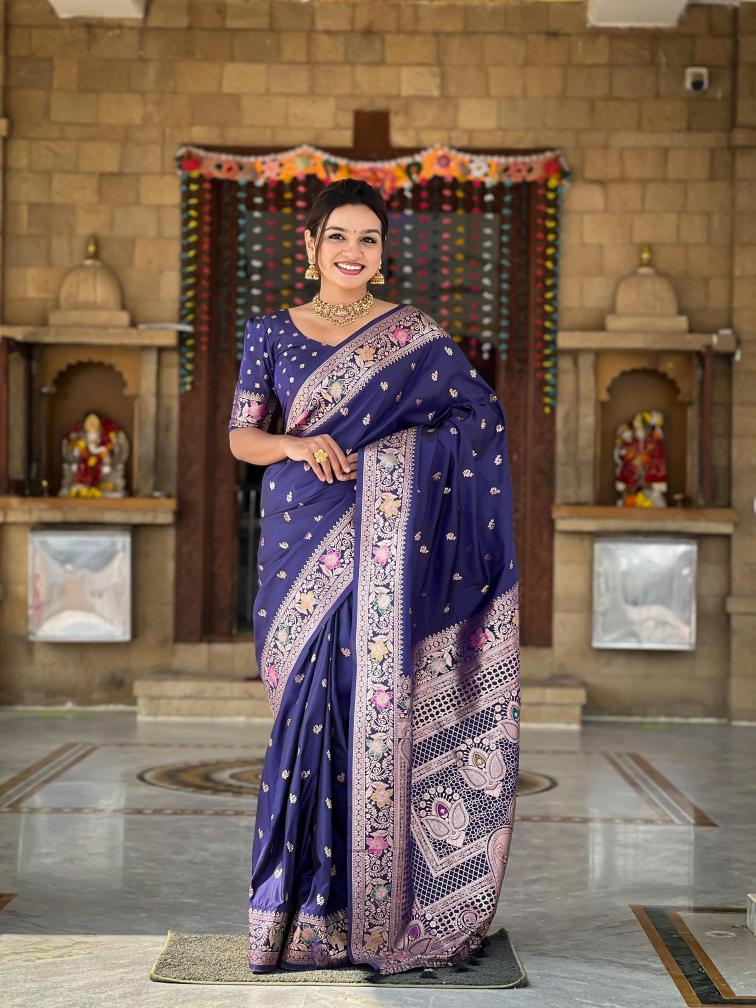
<p><strong>Banarasi sarees wholesale</strong> collections can be considered by boutiques serving customers shopping for weddings, festivals, family occasions and traditional events. Rich-looking borders, woven patterns and elegant color combinations can help create a premium retail presentation.</p>
<p>The buying rate should be compared with fabric, workmanship and expected retail positioning. A higher wholesale cost may still provide good resale potential when customers value the design and overall appearance.</p>
<h3><strong>Bandhani and Bandhej Sarees for Traditional Demand</strong></h3>
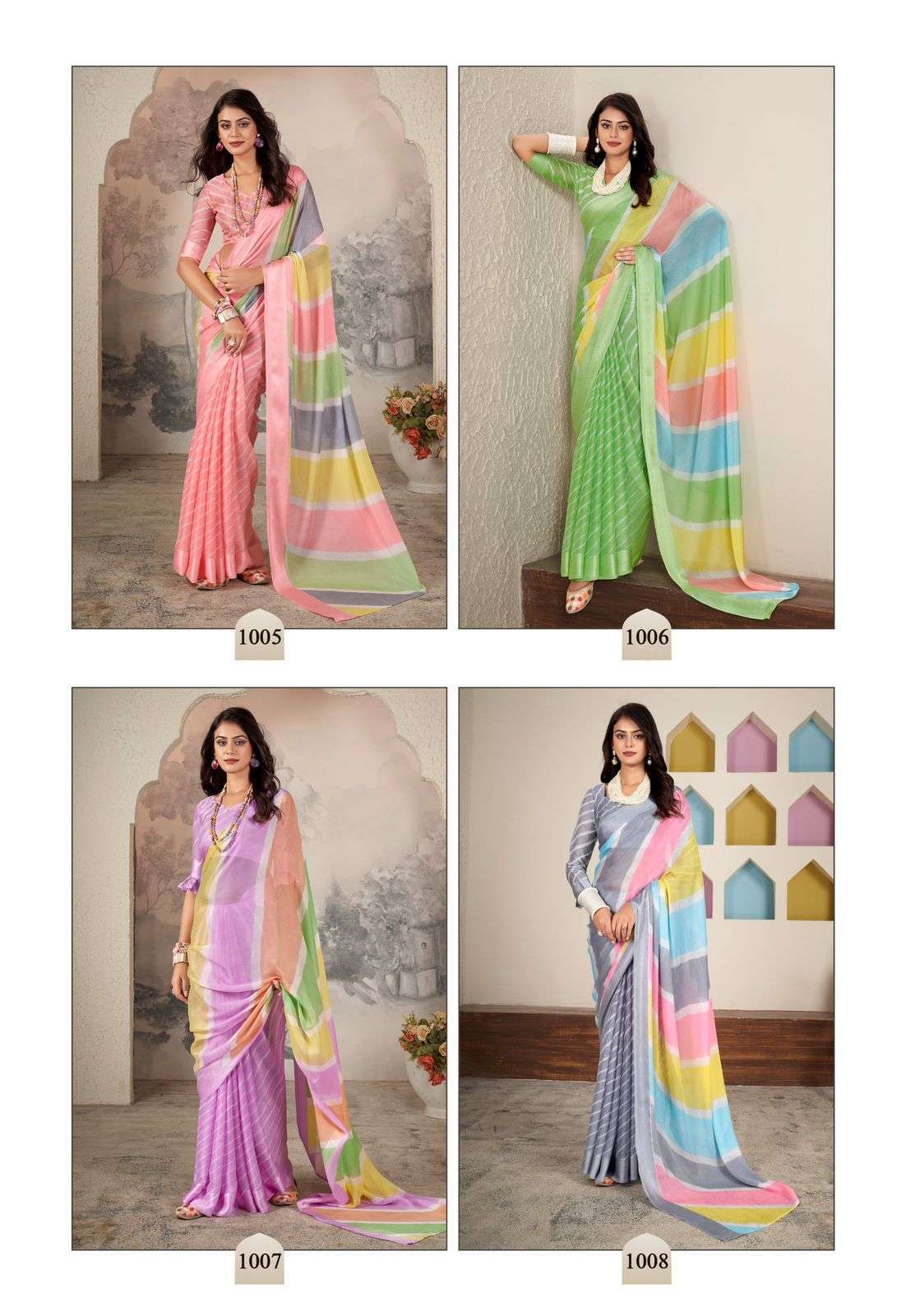
<p><strong>Bandhani sarees wholesale</strong> and Bandhej-inspired designs can add regional character to a boutique assortment. Color combinations, traditional motifs and contemporary fabric options allow retailers to serve both traditional shoppers and customers looking for updated ethnic styling.</p>
<p>These collections can also be combined with festive stock so boutiques have suitable products available during weddings, Navratri, Diwali and other seasonal shopping periods.</p>
<h3><strong>Cotton Sarees for Everyday Retail Business</strong></h3>
<p><strong>Cotton sarees wholesale</strong> can support regular transactions for boutiques serving customers who prioritize comfort and practical wear. Printed cotton styles, traditional motifs and contemporary patterns can create a strong everyday section alongside premium sarees.</p>
<p>Retailers should compare fabric quality, print presentation and finishing rather than purchasing entirely on the basis of the lowest price. Better customer satisfaction can encourage repeat purchases and referrals.</p>
<h3><strong>Designer Sarees for Boutique Positioning</strong></h3>
<p><strong>Designer sarees wholesale</strong> can help Boutique Owners differentiate their stock from basic retail collections. Embroidery, distinctive borders, decorative details, statement colors and premium styling can support higher-value retail positioning.</p>
<p>Presentation becomes particularly important with designer products. Professional photographs, videos, mannequin styling and attractive in-store displays can help communicate the value of a premium saree to potential customers.</p>
<h2><strong>How Boutique Owners Should Plan a Bulk Saree Order</strong></h2>
<p>Bulk purchasing should begin with a defined budget rather than an unlimited catalog selection. Boutique Owners can divide their available investment across core stock, new trends and premium pieces. This creates variety while reducing dependence on a single product category.</p>
<p>For example, a retailer may allocate the largest portion of the budget to categories that already sell consistently, reserve another portion for festive or seasonal products and use a smaller amount to test new designs. This method makes <strong>bulk saree supplier for boutiques</strong> sourcing more disciplined and easier to measure.</p>
<h3><strong>Test New Collections Before Scaling</strong></h3>
<p>When possible, retailers can begin with manageable quantities of unfamiliar designs. Customer response can then determine whether a larger repeat order is justified.</p>
<p>This strategy is particularly useful with trend-dependent stock. A design receiving strong enquiries and quick transactions can be reordered, while a slower style does not consume an excessive portion of the buying budget.</p>
<h3><strong>Calculate the Landed Cost Per Saree</strong></h3>
<p>The catalog rate should not be treated as the final inventory cost. Retailers should include shipping, applicable taxes, packaging and other relevant purchasing expenses when calculating the landed cost.</p>
<p>If a saree has a buying price of ₹600 and allocated expenses increase its effective cost to ₹645, the retail pricing strategy should begin from ₹645. Accurate costing gives boutiques a clearer view of potential gross earnings and available discount room.</p>
<h2><strong>Wholesale Sarees for Home-Based Sellers and Resellers</strong></h2>
<p>Bulk sourcing is not limited to large physical boutiques. Home-Based Sellers and Resellers can also build saree businesses using controlled wholesale purchases and digital selling channels. WhatsApp, Instagram, Facebook and customer groups can be used to present stock without requiring a large showroom.</p>
<p>The key is to avoid buying excessive quantities before understanding customer preferences. A home seller can start with a diverse selection, identify products generating genuine enquiries and gradually increase purchasing in successful categories.</p>
<h3><strong>Use Variety to Test Your Market</strong></h3>
<p>A new reseller may benefit more from twenty different marketable designs than from a large quantity of one untested saree. Variety provides more customer choice and creates useful data about colors, fabrics and price ranges that actually convert into sales.</p>
<p>Once demand is established, the seller can move toward larger <strong>bulk sarees wholesale</strong> purchases for proven categories.</p>
<h3><strong>Share Fresh Stock Regularly</strong></h3>
<p>Digital customers may ignore repeated posts featuring the same products. Regularly introducing new stock can generate fresh enquiries and keep existing buyers engaged.</p>
<p>kapdawholesale.com can support this purchasing model by giving business buyers an online destination to explore wholesale textile categories and plan inventory according to current requirements.</p>
<h2><strong>Bulk Saree Supply for Shops and Showrooms</strong></h2>
<p>Shop Owners and Showroom Owners typically need broader inventory than home-based sellers because walk-in customers expect immediate choice. The buying plan may therefore include multiple fabrics, colors, patterns, occasions and price segments.</p>
<p>A dependable <strong>wholesale saree supplier</strong> becomes valuable when stores require recurring inventory rather than one-time stock. Reliable product coordination can help retailers maintain a better balance between established sellers and new arrivals.</p>
<h3><strong>Buy More of Proven Sellers</strong></h3>
<p>Sales records can guide future wholesale orders. Retailers should track which products sell quickly, which price ranges generate repeat transactions and which designs remain unsold for extended periods.</p>
<p>If affordable printed sarees consistently outperform expensive embellished products, the next purchasing cycle can allocate more capital to printed stock. This turns wholesale buying into a data-driven business decision.</p>
<h3><strong>Keep Premium Pieces in Controlled Quantity</strong></h3>
<p>Premium products can increase the average value of a sale, but they can also require more working capital. Showroom Owners can maintain carefully selected premium pieces without allowing high-value inventory to dominate the entire purchasing budget.</p>
<p>This balance helps stores serve aspirational customers while keeping enough capital available for faster-moving products.</p>
<h2><strong>Wholesale Saree Export Opportunities for Boutique Buyers</strong></h2>
<p>Indian ethnic wear has a customer base beyond the domestic market. Boutique Owners and Resellers in <strong>Singapore</strong>, <strong>Canada</strong> and <strong>Nepal</strong> can source sarees from India according to destination demand, shipping feasibility and applicable import requirements.</p>
<p>International buyers looking for <strong>saree wholesale export from Surat</strong> should evaluate total landed cost rather than the Indian product price alone. Freight, customs-related expenses where applicable and destination delivery can influence the final resale margin.</p>
<h3><strong>Select Sarees According to the Destination Market</strong></h3>
<p>International boutique inventory should reflect local customer preferences. Festive and wedding sarees may perform strongly in one market, while lightweight and practical styles may generate better repeat transactions elsewhere.</p>
<p>A mixed first order can help international retailers test several categories before increasing quantities. This makes the purchasing process more responsive to real customer demand.</p>
<h3><strong>Experience Matters for Wholesale and Export Supply</strong></h3>
<p>International wholesale transactions require coordination across product selection, order preparation, packing and dispatch. Vastralife's wholesale and <strong>export</strong> experience since 2017 provides practical industry expertise for business buyers sourcing Indian fashion.</p>
<p>Attention to premium product quality is also important because international returns or replacements can be more complicated than domestic transactions. Buyers should therefore consider supplier experience and product reliability alongside wholesale pricing.</p>
<h2><strong>Buying Sarees Online from Surat Through a Wholesale Platform</strong></h2>
<p>Online sourcing gives retailers an alternative to travelling for every inventory requirement. While visiting the <strong>surat textile market</strong> can still be valuable, routine stock replenishment can often be managed more efficiently through digital wholesale channels.</p>
<p>Buyers located far from <strong>ring road</strong> or <strong>sahara darwaza</strong> can browse wholesale stock remotely, evaluate collections and plan orders around their own business schedule.</p>
<p>Through kapdawholesale.com, Boutique Owners, Resellers, Shop Owners and Wholesale Buyers can explore wholesale clothing opportunities while focusing on stock suitable for resale rather than general consumer shopping.</p>
<h3><strong>Build a Repeat Wholesale Buying Cycle</strong></h3>
<p>Instead of making one very large purchase and waiting until most inventory is exhausted, boutiques can use shorter replenishment cycles. Regular purchasing helps maintain freshness and allows the retailer to react to changing customer preferences.</p>
<p>A store may keep reliable core products continuously available while rotating trend-driven designs every few weeks. This creates a sense of newness without requiring the entire inventory to change at once.</p>
<h3><strong>Use Your Sales Performance to Plan the Next Order</strong></h3>
<p>Each wholesale order should make the next purchasing decision easier. Record which collections sold, how quickly they moved, the average selling price and customer feedback.</p>
<p>After several buying cycles, these records can reveal the strongest categories for the boutique. Purchasing can then become increasingly focused on products with demonstrated resale demand rather than assumptions.</p>
<h2><strong>How to Improve Boutique Profit with Smart Saree Sourcing</strong></h2>
<p>A competitive wholesale rate is valuable, but profitable retailing also depends on what happens after the stock reaches the boutique. Retailers need to combine careful purchasing with appropriate pricing, attractive presentation and disciplined inventory management. A reliable <strong>bulk saree supplier for boutiques</strong> can provide the sourcing foundation, while the retailer's selling strategy determines how effectively that inventory is converted into revenue.</p>
<p>Instead of applying the same markup to every saree, boutiques can create different pricing structures according to fabric, design, exclusivity and customer demand. Everyday products may benefit from faster turnover, while premium sarees can be positioned around design value and presentation.</p>
<h3><strong>Protect Margin Without Overpricing</strong></h3>
<p>Retailers should know the complete landed cost of each product before deciding its retail <strong>price</strong>. Product value, freight, packaging, applicable taxes, payment expenses and promotional costs may all influence the amount eventually retained by the business.</p>
<p>Once the cost is clear, boutiques can establish a retail rate that leaves sufficient room for normal business expenses and occasional promotions. This is generally more sustainable than copying another seller's price without knowing their buying cost or operating model.</p>
<h3><strong>Increase Average Order Value with a Better Product Mix</strong></h3>
<p>A customer entering a boutique for one saree may purchase additional products when complementary options are available. Retailers can create coordinated selections across sarees, dress materials, kurtis and ethnic sets according to the preferences of their customer base.</p>
<p>This strategy allows businesses to increase the value of individual transactions without depending entirely on higher margins from a single product.</p>
<h2><strong>Bandhani and Festive Sarees for Boutique Bulk Orders</strong></h2>
<p>Traditional designs remain an important component of Indian ethnic retail. Boutique Owners can combine modern collections with <a href="https://www.kapdawholesale.com/bandhani-saree">Bandhani saree</a> selections to serve customers shopping for weddings, festivals, family celebrations and traditional occasions.</p>
<p>Bandhej-inspired patterns can work across different fabrics and price ranges, giving retailers flexibility when creating their stock mix. Vibrant colors can be selected for festive shoppers, while more subtle combinations can serve customers seeking traditional styling for regular occasions.</p>
<h3><strong>Build Festival Stock Before Customer Demand Peaks</strong></h3>
<p>Festive purchasing should ideally begin before the busiest retail period. Early buying gives boutiques more time to organize displays, create product photography, promote collections and identify which styles are generating the strongest enquiries.</p>
<p>Retailers can then use repeat orders to strengthen successful categories instead of placing the entire seasonal budget into one initial purchase.</p>
<h3><strong>Add Complementary Ethnic Categories</strong></h3>
<p>Sarees may remain the core product for a boutique, but complementary categories can provide customers with additional purchasing options. Retailers looking to expand their assortment can consider <a href="https://www.kapdawholesale.com/cotton-dress-material">cotton dress material</a> stock alongside their saree selection.</p>
<p>The expansion should remain relevant to existing customers. A carefully selected complementary category is generally more useful than adding unrelated products simply to increase the number of items available.</p>
<h2><strong>Premium Saree Quality for Repeat Boutique Customers</strong></h2>
<p>Product quality has a direct relationship with customer confidence. A retailer may generate an initial sale through attractive photographs or a promotional price, but repeat business depends heavily on whether the customer is satisfied after receiving and wearing the product.</p>
<p>Boutique Owners should therefore evaluate fabric, finishing, print clarity, embroidery, border work and overall presentation when choosing <strong>wholesale sarees for boutiques</strong>. The cheapest product is not automatically the most profitable when complaints and dissatisfied customers are taken into account.</p>
<h3><strong>Premium Quality Supports Boutique Positioning</strong></h3>
<p>A boutique selling carefully selected ethnic fashion can use premium product quality as part of its market identity. Customers who associate the store with dependable products may become less focused on finding the lowest available price elsewhere.</p>
<p>Quality can also encourage referrals. Satisfied customers who recommend the boutique to friends and family can help generate additional transactions without the same customer-acquisition expense required for completely new audiences.</p>
<h3><strong>Check Quality Before Large Repeat Orders</strong></h3>
<p>Even when a collection looks impressive in photographs, retailers should evaluate actual product performance wherever practical before substantially increasing quantities. Customer feedback can provide useful information about fabric, color, styling and overall value.</p>
<p>This makes subsequent <strong>bulk sarees wholesale</strong> purchases more informed and reduces the risk of committing substantial working capital to products that do not match customer expectations.</p>
<h2><strong>Bulk Saree Supplier for International Boutique Buyers</strong></h2>
<p>Indian sarees have established demand among ethnic fashion buyers outside India. Boutique Owners in <strong>Singapore</strong>, <strong>Canada</strong> and <strong>Nepal</strong> can source collections from Surat according to their local customer preferences, import conditions and shipping feasibility.</p>
<p>An international <strong>bulk saree supplier for boutiques</strong> needs to support more than product selection. Order coordination, packing and dispatch communication become particularly important because international buyers cannot easily visit the supplier whenever they need additional stock.</p>
<h3><strong>Calculate International Landed Cost Before Ordering</strong></h3>
<p>International Wholesale Buyers should calculate product value together with shipping, applicable duties, local taxes and destination delivery expenses. These costs influence the final retail rate and potential margin.</p>
<p>A collection with an attractive Indian wholesale price may not remain equally competitive after international logistics are added. Buyers should therefore compare products using estimated landed cost rather than catalog rate alone.</p>
<h3><strong>Choose Products According to Overseas Customer Demand</strong></h3>
<p>Different markets can respond differently to Indian ethnic fashion. Wedding sarees and festive designs may be strong performers in one region, while lightweight everyday sarees may create more frequent transactions elsewhere.</p>
<p>International retailers can test several categories within an initial order and use actual sales performance to determine the composition of future purchases.</p>
<h2><strong>Surat Wholesale Sourcing Advantages for 2026</strong></h2>
<p>The textile market continues to change rapidly as customers discover products through social media, online boutiques and digital catalogs. For <strong>2026</strong>, retailers need sourcing systems that allow them to react quickly when a design, color or fabric begins generating demand.</p>
<p>The extensive <strong>manufacturing</strong> and wholesale network surrounding the <strong>surat textile market</strong>, <strong>ring road</strong> and <strong>sahara darwaza</strong> gives business buyers access to a wide range of textile products. Online sourcing extends this advantage to buyers who cannot visit the market regularly.</p>
<h3><strong>Buy According to Demand Instead of Guesswork</strong></h3>
<p>Retailers can use sales records, social media enquiries and customer requests to guide purchasing. If a particular color or fabric repeatedly receives interest, the next wholesale order can include more products within that category.</p>
<p>This approach helps turn inventory purchasing into a measurable process. Over time, the retailer can identify which categories generate the fastest turnover and which products should be reduced or removed from future buying plans.</p>
<h3><strong>Keep New Arrivals Flowing</strong></h3>
<p>Customers are more likely to revisit a boutique when they expect to see something new. Retailers can maintain a core assortment while introducing smaller batches of fresh products regularly.</p>
<p>kapdawholesale.com gives wholesale buyers an online channel for exploring ethnic fashion and new sourcing opportunities. Regular browsing can help retailers plan upcoming purchases before existing inventory becomes outdated.</p>
<h2><strong>Common Bulk Saree Buying Mistakes to Avoid</strong></h2>
<p>Bulk purchasing can reduce the frequency of ordering and improve inventory availability, but buying more stock does not automatically create more profit. The wrong products purchased in large quantities can block substantial working capital.</p>
<h3><strong>Buying Only Because the Wholesale Price Is Low</strong></h3>
<p>An attractive rate can be tempting, particularly when a supplier offers quantity-based pricing. However, retailers should first determine whether the design fits their customers. A slightly higher-priced product with strong resale demand can be commercially more useful than cheaper inventory that remains unsold.</p>
<h3><strong>Purchasing Too Many Pieces of One Trend</strong></h3>
<p>Fashion trends can change quickly. Retailers should be cautious about committing too much capital to a single design unless previous sales have demonstrated reliable demand.</p>
<p>Maintaining a broader selection of proven categories can reduce dependence on one temporary trend and provide customers with more choices.</p>
<h3><strong>Ignoring Stock Rotation</strong></h3>
<p>Inventory that remains unsold for months ties up money that could have been invested in newer collections. Boutiques should regularly identify slow-moving products and decide whether they require better presentation, targeted promotion or clearance pricing.</p>
<h3><strong>Not Maintaining a Purchasing Budget</strong></h3>
<p>Wholesale catalogs can make it easy to over-purchase. A defined budget helps retailers prioritize stock according to expected sales instead of buying every attractive collection.</p>
<p>The budget can be divided between regular sellers, premium products, seasonal stock and experimental trends. This structure creates greater control over inventory investment.</p>
<h2><strong>Internal Linking for Boutique Wholesale Buyers</strong></h2>
<p>Wholesale fashion businesses can perform better when product expansion follows genuine customer demand. A saree-focused boutique does not need to become a general fashion store overnight. Instead, complementary categories can be introduced gradually and evaluated through actual transactions.</p>
<p>kapdawholesale.com allows Wholesale Buyers to explore different textile and ethnic wear segments according to their resale requirements. Boutique Owners can use category-specific purchasing to maintain a clear store identity while still giving customers additional choices.</p>
<p>For businesses sourcing from Surat, combining the city's textile <strong>manufacturing</strong> strength with online purchasing can reduce the need for frequent physical sourcing trips. This can be particularly valuable for buyers located outside Gujarat or managing multiple sales channels.</p>
<h2><strong>Customer FAQs</strong></h2>
<h3><strong>1. Where can boutiques buy sarees in bulk from Surat?</strong></h3>
<p>Boutique Owners can source wholesale sarees through Surat's textile markets or online platforms such as kapdawholesale.com. Buyers should compare available collections, wholesale pricing, product quality, quantity requirements and shipping terms before confirming an order.</p>
<h3><strong>2. Which sarees are suitable for boutique resale?</strong></h3>
<p>The right selection depends on the boutique's customers. Common options can include Banarasi-inspired sarees, Bandhani and Bandhej designs, cotton sarees, printed styles, designer sarees and festive collections. Retailers should purchase according to proven customer demand rather than relying only on current trends.</p>
<h3><strong>3. Can Home-Based Sellers purchase bulk sarees?</strong></h3>
<p>Yes. Home-Based Sellers can purchase wholesale inventory according to their available budget and resale requirements. New sellers may prefer testing multiple designs in controlled quantities before increasing stock in categories that generate consistent sales.</p>
<h3><strong>4. What should I check before choosing a wholesale saree supplier?</strong></h3>
<p>Buyers should evaluate product quality, wholesale price, collection variety, order quantity, communication, shipping arrangements and repeat availability. The complete landed cost should also be calculated before deciding the retail selling price.</p>
<h3><strong>5. Can I buy Surat sarees for export?</strong></h3>
<p>International buyers can enquire about <strong>saree wholesale export from Surat</strong> according to their destination and order requirements. Shipping feasibility, customs regulations and import expenses should be checked before confirming an international wholesale purchase.</p>
<h3><strong>6. Is bulk buying better for Boutique Owners?</strong></h3>
<p>Bulk purchasing can be useful for products with proven demand, but it should not be treated as the best strategy for every collection. Boutique Owners can test new designs in controlled quantities and increase purchases when customer response confirms stronger resale potential.</p>
<h3><strong>7. Why is Surat popular for saree wholesale sourcing?</strong></h3>
<p>Surat has a large textile trading and <strong>manufacturing</strong> ecosystem with numerous suppliers, processors and wholesalers. The markets around <strong>ring road</strong> and <strong>sahara darwaza</strong> make it a major sourcing destination for sarees and other textile categories.</p>
<h3><strong>8. Can shops and showrooms order from kapdawholesale.com?</strong></h3>
<p>Shop Owners, Showroom Owners, Resellers, Boutique Owners, Home-Based Sellers and Wholesale Buyers can explore kapdawholesale.com for business-oriented wholesale sourcing opportunities and select stock according to their retail requirements.</p>
<h3><strong>9. How often should a boutique purchase new saree stock?</strong></h3>
<p>The ideal purchasing cycle depends on sales speed, available working capital and customer demand. Many retailers can benefit from keeping proven core inventory while introducing smaller batches of new arrivals regularly rather than replacing the entire collection at once.</p>
<h3><strong>10. Can overseas boutiques source Indian sarees in bulk?</strong></h3>
<p>Yes, subject to supplier availability, shipping arrangements and destination regulations. Buyers in markets such as Singapore, Canada and Nepal can select Indian ethnic collections according to their local customers and calculate the complete landed cost before purchasing.</p>
<h2><strong>Choose a Reliable Bulk Saree Supplier for Your Boutique</strong></h2>
<p>Successful wholesale purchasing is not about filling shelves with the largest possible quantity. It is about selecting products that fit your customers, purchasing them at a workable rate and keeping inventory fresh enough to generate repeat interest.</p>
<p>Whether you are a Boutique Owner, Home-Based Seller, Shop Owner, Showroom Owner, Reseller or Wholesale Buyer, a dependable <strong>bulk saree supplier for boutiques</strong> can help create a more structured purchasing cycle. Surat's textile ecosystem provides access to numerous saree categories, while online sourcing makes those collections more convenient for buyers located across India and international markets.</p>
<p>Vastralife's wholesale and <strong>export</strong> experience since 2017 brings years of textile industry expertise to wholesale sourcing, with an emphasis on premium product quality and dependable business supply.</p>
<h2><strong>Order Wholesale Sarees for Your Boutique Today</strong></h2>
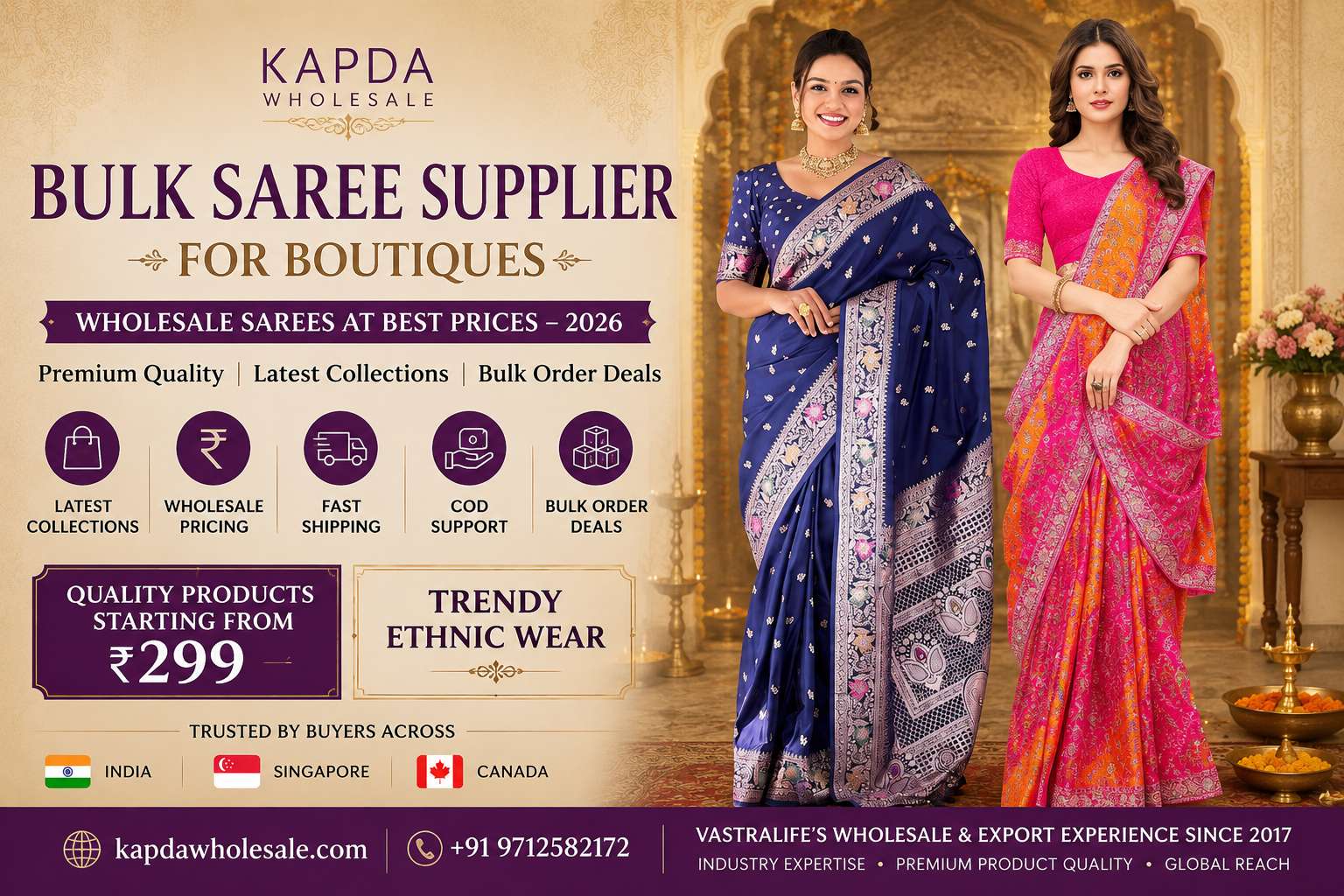
<p>Build your next boutique collection with <strong>Latest Collections</strong>, competitive <strong>Wholesale Pricing</strong> and <strong>Trendy Ethnic Wear</strong> selected for professional resale requirements. Explore wholesale opportunities with <strong>Fast Shipping</strong>, <strong>COD Support</strong> where applicable and attractive <strong>Bulk Order Deals</strong> according to current order terms.</p>
<p>Buyers can also explore <strong>Quality Products Starting From ₹299</strong>, subject to current stock and collection availability, making it easier to create inventory across affordable, mid-range and premium customer segments.</p>
<p><strong>Website:</strong> kapdawholesale.com<br/> <strong>Contact Number:</strong> +91 9712582172</p>
<p>Visit kapdawholesale.com to explore wholesale fashion collections, compare products for your target market and prepare your next boutique stock order with a purchasing strategy focused on variety, quality and profitable resale in 2026.</p>