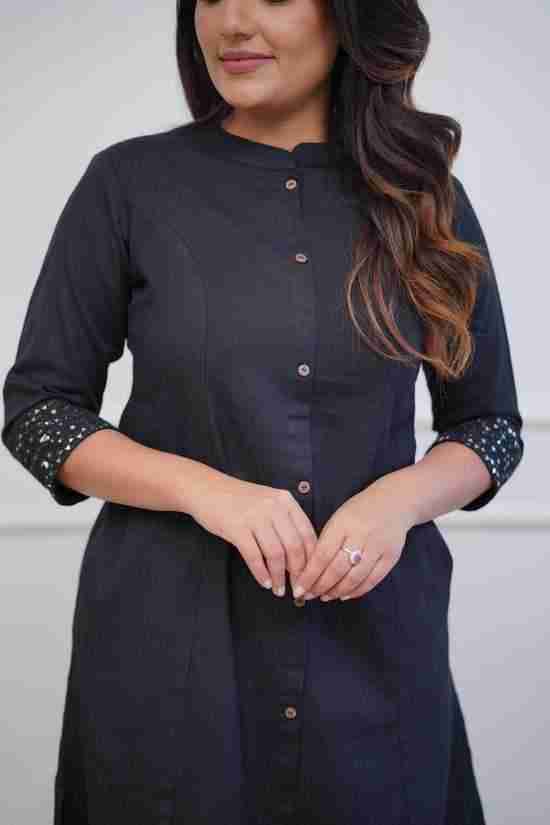
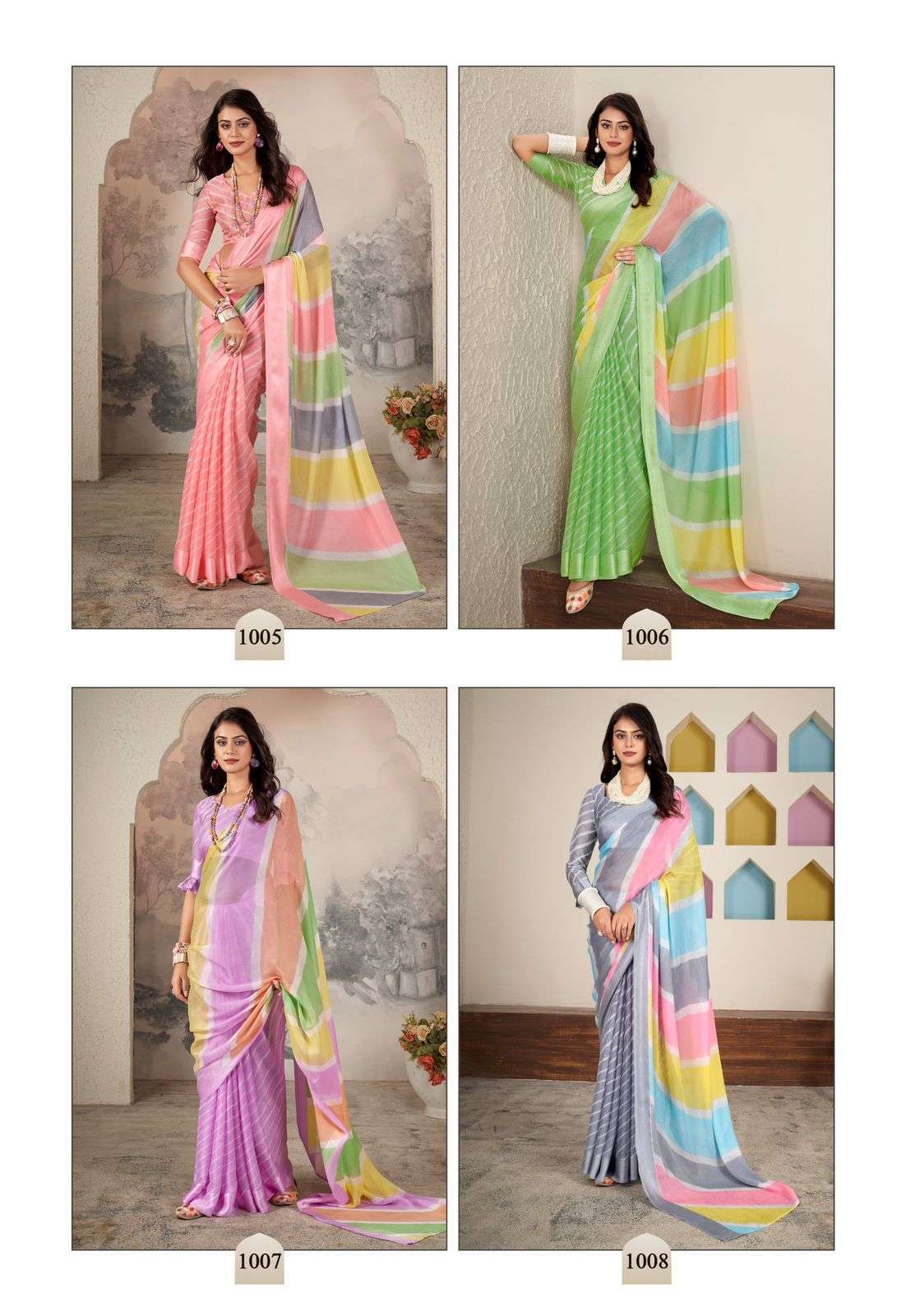
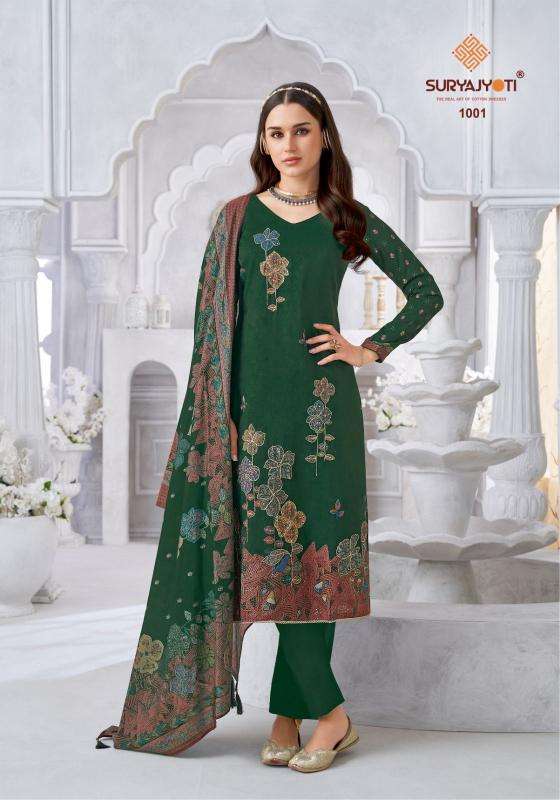
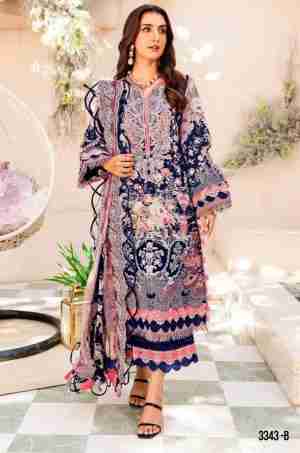
<h1><strong>Best Wholesalers in Surat for Ethnic Wear & Dress Materials 2026</strong></h1> <p>Surat continues to be one of India’s most important sourcing destinations for retailers, boutique owners, resellers and wholesale buyers looking for fresh ethnic wear collections at competitive rates. From everyday cotton suits and kurtis to premium sarees, festive collections and designer dress materials, buyers can source a wide variety of products from one textile hub. For businesses that want to purchase stock without visiting dozens of individual suppliers, kapdawholesale.com offers a convenient way to explore wholesale collections connected with Surat’s extensive textile ecosystem.</p> <h2><strong>Introduction</strong></h2> <p>For a fashion retailer, finding the right supplier is not simply about locating the lowest <strong>price</strong>. A dependable wholesale purchase depends on product quality, design selection, stock availability, repeat supply, packaging, dispatch support and communication. These factors become even more important when a buyer is ordering for a boutique, showroom, online store or resale business.</p> <p>The <strong>Surat textile market</strong> has developed around exactly this type of large-scale garment and textile trade. Buyers visit Surat to source dress materials, kurtis, sarees, salwar suits, gowns, lehengas, co-ord sets and other women’s ethnic wear. Areas around <strong>Ring Road</strong> and <strong>Sahara Darwaza</strong> are particularly familiar to textile traders because numerous markets, wholesalers and suppliers operate across this commercial belt.</p> <p>In 2026, buyers are also sourcing differently. Many no longer depend entirely on physical market visits. Product images, online catalogues, WhatsApp communication and wholesale websites have made it possible to shortlist collections before placing an order. This combination of Surat’s physical wholesale ecosystem and digital purchasing creates more sourcing opportunities for buyers throughout India and overseas.</p> <h2><strong>What Buyers Should Look for When Choosing Surat Wholesalers</strong></h2> <p>Searching for the <strong>best wholesalers in Surat</strong> should begin with the requirements of your own business. A home-based seller ordering a small assortment has different priorities from a showroom owner purchasing several catalogues or an international buyer consolidating goods for export.</p> <h3><strong>Product Range That Matches Your Customers</strong></h3> <p>A wholesale supplier becomes more useful when its range matches the selling profile of your business. For example, a boutique may require distinctive designer kurtis and premium dress materials, while a high-volume retail store may focus more heavily on affordable cotton suits, everyday kurtis and fast-moving sarees.</p> <p>Buyers can look for categories such as <strong>ladies dress material wholesale</strong>, kurti wholesale, saree wholesale, salwar suit wholesale, designer suit wholesale, cotton dress material, embroidered suits, printed kurtis, festive ethnic wear, ready-made suits, party wear dresses and traditional Indian wear. A broader selection makes it easier to build a mixed order instead of relying on one product category.</p> <h3><strong>Current Designs Rather Than Old Inventory</strong></h3> <p>Fashion inventory moves quickly. Retailers generally need products that reflect current colour preferences, fabric demand, embroidery styles and seasonal buying patterns. Before confirming a bulk purchase, buyers should review recent catalogue images and ask whether the selected designs are currently available.</p> <p>This matters particularly during wedding and festival seasons. A collection that sells strongly during one period may slow after the season changes. Regular new arrivals allow resellers and boutiques to refresh their presentation without repeating the same designs for too long.</p> <h3><strong>Transparent Wholesale Pricing</strong></h3> <p>Wholesale buyers should understand what is included in the quoted rate before finalising an order. The final purchasing calculation can depend on product quantity, catalogue packing, taxes, transportation, destination and the type of product selected.</p> <p>A low displayed rate should therefore not be the only selection criterion. Compare the fabric, finishing, work, sizing, design and overall product presentation with the quoted <strong>wholesale price</strong>. For retailers, the objective is to purchase merchandise that leaves enough room for a practical resale margin while remaining attractive to the final customer.</p> <h2><strong>Popular Products to Source from Surat in 2026</strong></h2> <p>One reason buyers search for a <strong>Surat wholesale market</strong> supplier is the variety available within women’s ethnic fashion. Different customer segments can be served from the same sourcing city, allowing businesses to develop broader collections.</p> <h3><strong>Dress Materials and Salwar Suit Collections</strong></h3> <p>Unstitched and semi-stitched dress materials remain an important category for retailers whose customers prefer personalised fitting. Cotton, rayon, muslin, viscose, silk blends and other fabrics can be offered across everyday, office, festive and occasion-wear segments.</p> <p>Designer dupattas, digital prints, embroidery, woven patterns and coordinated bottom fabrics can increase the perceived value of a suit set. Buyers purchasing <strong>dress material wholesale in Surat</strong> should evaluate the complete set rather than judging only the top fabric.</p> <h3><strong>Kurtis and Kurti Sets</strong></h3> <p>Kurtis remain a versatile retail category because they can be positioned across multiple price segments. Straight kurtis, A-line styles, embroidered kurtis, printed kurtis, kurti-pant sets and coordinated sets give retailers options for casual and semi-festive customers.</p> <p>For resellers, a good <strong>kurti wholesaler in Surat</strong> can also help create variety without requiring every purchase to be premium-priced. This makes kurtis useful for both online selling and physical retail.</p> <h3><strong>Sarees for Everyday and Occasion Wear</strong></h3> <p>Surat has a substantial saree trading and <strong>manufacturing</strong> ecosystem. Wholesale buyers can source printed sarees, designer sarees, festive sarees, embroidery styles, lightweight varieties and other collections intended for different regional markets.</p> <p>Retailers should select sarees according to their customer profile instead of buying only on visual appeal. Fabric feel, drape, blouse piece, border, finishing and overall presentation all influence the eventual retail experience.</p> <h3><strong>Festive Suits, Gowns and Lehenga Collections</strong></h3> <p>Festive merchandise can deliver a higher selling value but generally requires more selective purchasing. Embroidery density, fabric quality, lining, dupatta finishing, stitching and colour combinations should all be checked carefully.</p> <p>Showroom owners preparing for wedding and festival demand can mix premium pieces with medium-price products. This gives customers more choice and prevents the entire collection from being concentrated in a single retail bracket.</p> <p>For wholesale buyers exploring Surat-based ethnic wear, kapdawholesale.com provides access to multiple categories suitable for boutiques, shops, resellers and other B2B purchasing requirements. Product selection can be planned according to budget, category and target customer instead of purchasing random stock.</p> <img src="https://kapdawholesale.com/images/product/2026/06/ganga-aadila-4810-designer-dress-materials-in-bulk-2026-06-18_18_42_01.jpeg"/> <h2><strong>Why Ring Road and Sahara Darwaza Matter to Wholesale Buyers</strong></h2> <p>Anyone researching the <strong>best wholesalers in Surat</strong> will frequently encounter references to Ring Road and Sahara Darwaza. These locations form part of Surat’s established textile trading zone and are familiar reference points for buyers visiting the city for wholesale sourcing.</p> <p>The advantage of sourcing from a concentrated textile area is choice. Buyers can compare categories, designs and price segments within the broader market ecosystem. This is especially useful for shop owners who need several types of merchandise rather than a single specialised item.</p> <p>At the same time, physically visiting multiple textile markets can require considerable time. Buyers travelling from another state must also account for transportation, accommodation, market navigation and shipment coordination. Online wholesale sourcing can reduce some of these steps by allowing the initial product selection to happen remotely.</p> <h3><strong>Plan the Purchase Before Visiting Surat</strong></h3> <p>A wholesale trip becomes more productive when the buyer already knows the categories required. Prepare a purchase budget and divide it among products such as sarees, kurtis, suits, dress materials and festive collections. This prevents too much capital from being committed to the first attractive catalogue.</p> <p>Retailers should also decide their target selling range before purchasing. If most customers buy affordable daily wear, investing heavily in premium occasion wear may create slower inventory movement. Conversely, a boutique serving premium customers should not build its entire selection around entry-level merchandise.</p> <h3><strong>Compare Quality Within the Same Price Segment</strong></h3> <p>Two products carrying a similar wholesale rate may differ significantly in fabric, finishing or design work. Wholesale comparison is therefore more meaningful when similar products are evaluated together. Check fabric composition, embroidery, print quality, colour consistency, stitching where applicable and the overall finish.</p> <p>For repeat purchasing, consistency can be more valuable than obtaining a slightly lower rate on a single order. Reliable supply helps a retailer maintain customer expectations and simplifies future stock planning.</p> <h2><strong>Wholesale Buying Opportunities for Different Business Types</strong></h2> <p>The Surat garment trade serves buyers operating at very different scales. Choosing the right purchase strategy can help each type of seller use working capital more effectively.</p> <h3><strong>Home-Based Sellers and Online Resellers</strong></h3> <p>Home-based businesses generally benefit from controlled inventory. Instead of purchasing excessive quantities across many categories, sellers can begin with selected designs and identify which colours, fabrics and price points receive the strongest response.</p> <p>Product presentation is especially important for online resale. Clear catalogue images, accurate product information and straightforward customer communication make it easier to sell through WhatsApp, Instagram, Facebook and other digital channels.</p> <h3><strong>Boutique Owners</strong></h3> <p>Boutiques usually compete through selection rather than sheer volume. Buyers can focus on differentiated prints, embroidery, coordinated sets, elegant dress materials and products that complement the style of their existing customer base.</p> <p>Regular smaller additions may sometimes work better than purchasing one extremely large fashion lot. This allows a boutique to introduce newness more frequently and respond to actual customer demand.</p> <h3><strong>Retail Shop and Showroom Owners</strong></h3> <p>Physical stores need both visual variety and sufficient depth in fast-moving categories. Shop owners can divide purchasing between everyday products, mid-range fashion and premium occasion wear. This creates options for customers with different budgets.</p> <p>Showrooms purchasing larger quantities should pay particular attention to repeat availability, dispatch schedules and catalogue continuity. If a design performs well, the ability to replenish similar merchandise can become commercially important.</p> <h3><strong>Wholesale Buyers and Distributors</strong></h3> <p>Larger B2B buyers typically need stronger coordination around quantity, packing and logistics. They may purchase multiple catalogues or consolidate several product categories into a larger dispatch. For these orders, clear communication before payment and dispatch helps reduce avoidable confusion.</p> <p>Vastralife brings wholesale and <strong>export experience since 2017</strong>, along with industry knowledge developed through serving garment buyers across different markets. That experience is useful when buyers require premium product quality, varied categories and B2B-oriented order support.</p> <h2><strong>Buying from Surat for International Markets</strong></h2> <p>Surat ethnic wear is purchased not only within India but also for overseas Indian fashion markets. Retailers and resellers serving customers in countries such as <strong>USA, Australia and Nepal</strong> may source Indian suits, sarees, kurtis, dress materials and festive products according to local customer demand.</p> <p>For an <strong>export</strong> order, buyers should calculate more than the garment cost. Packing, shipment weight, logistics, destination procedures and delivery timelines can affect the landed cost. International buyers should therefore confirm order specifications carefully before dispatch.</p> <p>Product mix also matters. A style that performs strongly in one domestic region may not necessarily generate the same response overseas. Export buyers can build assortments around their actual customer profile, climate, festive calendar and preferred price range.</p> <p>With Part 1 covering supplier selection, major wholesale categories, Surat sourcing areas and buying strategies for different business models, the next section continues with online wholesale purchasing, internal category links, the second product image, stock planning, FAQs and the complete kapdawholesale.com buying CTA.</p>
<img src="https://kapdawholesale.com/images/product/2026/06/ganga-aneaa-4328-dress-material-market-in-mumbai-2026-06-12_14_27_15.jpeg" /> <h2><strong>Online Wholesale Buying from Surat in 2026</strong></h2> <p>The traditional method of visiting the <strong>Surat textile market</strong> remains useful, but many professional buyers now combine physical sourcing with online wholesale purchasing. For retailers outside Gujarat and international buyers, this approach can save considerable travel time while allowing them to check new collections more frequently.</p> <p>Through kapdawholesale.com, buyers can explore products intended for B2B sourcing without depending entirely on a physical market visit. This is particularly practical for home-based sellers, boutique owners and retailers who need regular new arrivals but cannot travel to Surat every few weeks.</p> <p>The online model can also help buyers react faster to demand. Instead of waiting for the next sourcing trip, a retailer can review available collections, shortlist suitable products and discuss an order while a particular fashion trend is still active.</p> <h3><strong>Check Product Details Before Confirming an Order</strong></h3> <p>Before purchasing, buyers should review the available product information carefully. Fabric, work, colour, set composition, size details where applicable, catalogue quantity and wholesale <strong>price</strong> are important factors. When anything is unclear, confirm the details before placing the order rather than making assumptions from an image alone.</p> <p>This becomes particularly important with designer products. Embroidery, digital prints, woven patterns and decorative work can look similar in catalogue photographs while differing in actual construction and finishing. Wholesale buyers should select merchandise according to their selling segment and customer expectations.</p> <h3><strong>Build Orders Around Sellable Categories</strong></h3> <p>A large catalogue is useful only when the products match your customers. Rather than buying every new arrival, identify the categories that generate regular enquiries in your business. A reseller may receive stronger demand for kurti sets, while another shop may sell more cotton dress materials or sarees.</p> <p>Buyers looking for everyday and versatile fabric options can explore <a href="https://www.kapdawholesale.com/cotton-dress-material">cotton dress material</a> collections when planning stock for customers who prefer comfortable ethnic wear.</p> <p>Retailers building a stronger festive and occasion-wear section can also consider <a href="https://www.kapdawholesale.com/gowns-wholesaler-in-surat">gowns wholesaler in Surat</a> collections as part of a broader merchandise mix.</p> <h2><strong>Internal Linking and Product Discovery for Wholesale Buyers</strong></h2> <p>A structured sourcing process can make online purchasing more efficient. Instead of browsing unrelated products, buyers can move through relevant product categories according to the needs of their store. This is especially useful when creating a mixed wholesale order covering daily wear, festive wear and premium products.</p> <p>kapdawholesale.com can be used as a starting point for discovering different ethnic wear categories. A buyer can first identify the primary category, compare designs within the required budget and then expand into complementary products. For example, a store already selling suits may add kurtis or gowns, while a saree-focused retailer may introduce selected dress materials to increase customer choice.</p> <h3><strong>Use a Core and Experimental Stock Strategy</strong></h3> <p>One practical approach is to divide purchasing into core stock and experimental stock. Core stock includes categories already proven in your business. Experimental stock consists of newer designs, fabrics, colours or silhouettes that you want to test in smaller quantities.</p> <p>This method can help reduce unnecessary inventory risk. If a new design performs strongly, it can receive a larger allocation in the next purchase. If demand is limited, the retailer has not committed a large portion of working capital to an untested trend.</p> <h3><strong>Compare Selling Margin, Not Only Buying Price</strong></h3> <p>The cheapest product is not automatically the most profitable product. Retailers should consider the relationship between wholesale cost, perceived customer value and expected retail selling price. A better-finished item purchased at a slightly higher rate may sometimes support a healthier selling margin than a very basic low-cost product.</p> <p>Product photographs, packaging, fabric quality, detailing and presentation can influence how much value a customer sees in an item. For this reason, buyers searching for the <strong>best wholesalers in Surat</strong> should evaluate the complete business proposition rather than sorting suppliers only by the lowest rate.</p> <h2><strong>How to Plan Wholesale Stock for Festivals and Wedding Seasons</strong></h2> <p>Seasonal buying is an important part of the Indian ethnic wear business. Wedding periods and festivals can increase demand for embellished suits, sarees, gowns, lehengas and other occasion-focused products. However, buying too late can leave retailers with limited selection, while buying excessive quantities too early can lock working capital into inventory.</p> <p>A practical purchasing schedule begins with reviewing the previous season’s sales. Identify which fabrics, colours, categories and price bands sold quickly. Use that information to create the base order and then add selected 2026 trends instead of replacing the entire proven range with new fashion.</p> <h3><strong>Daily Wear Should Remain Part of the Mix</strong></h3> <p>Festival collections attract attention, but regular-use products can provide more consistent turnover throughout the year. Cotton suits, printed dress materials, kurtis and comfortable kurti sets can help maintain everyday sales between major festive periods.</p> <p>For many retailers, the most balanced inventory is therefore not exclusively premium or budget. It combines dependable daily-wear merchandise with fresh fashion and a smaller selection of premium occasion wear.</p> <h3><strong>Buy According to Regional Demand</strong></h3> <p>India is not one uniform ethnic wear market. Fabric preferences, colour choices and garment styles can vary by region. A retailer purchasing from Surat should consider what actually sells in the destination market rather than assuming every popular Surat catalogue will perform equally well everywhere.</p> <p>The same principle applies to international buyers. Customers in the <strong>USA</strong> may have different festive purchasing patterns from customers in <strong>Australia</strong> or <strong>Nepal</strong>. Understanding the end customer helps wholesale buyers select more commercially relevant merchandise.</p> <h2><strong>Wholesale Sourcing Around Ring Road and Sahara Darwaza</strong></h2> <p><strong>Ring Road</strong> and <strong>Sahara Darwaza</strong> are well-known names within Surat’s textile trade. Buyers travelling to the city often use these areas as reference points while exploring textile markets and suppliers. The wider trading ecosystem includes businesses dealing in fabrics, sarees, suits, dress materials, kurtis and numerous other textile categories.</p> <p>For an outstation buyer, however, the number of options can also make purchasing complicated. Walking through market after market without a predetermined buying plan can lead to duplicate stock or spending too much of the budget on the first few collections.</p> <h3><strong>Create a Buying List Before Entering the Market</strong></h3> <p>A simple purchase allocation can improve decision-making. For example, decide in advance how much of the budget will go toward regular dress materials, kurti sets, sarees and premium products. Keep a smaller portion available for unexpected new collections that appear attractive during sourcing.</p> <p>Record the catalogue name, supplier, quantity and purchase rate while ordering. For businesses dealing with several suppliers, basic documentation makes stock reconciliation easier when goods arrive.</p> <h3><strong>Ask About Dispatch Before Finalising Bulk Orders</strong></h3> <p>Availability and dispatch are important in fast-moving wholesale fashion. A buyer should understand whether the selected products are ready stock and what dispatch process applies to the order. This becomes especially relevant when merchandise is required for a festival, promotion or planned store launch.</p> <p>For an <strong>export</strong> shipment, buyers should allow additional time for consolidation, packing and transportation. International retailers should therefore avoid planning their inventory around the assumption that goods can always reach them immediately after an order is confirmed.</p> <h2><strong>Manufacturing, Quality and Long-Term Wholesale Relationships</strong></h2> <p>Surat’s strength comes from the combination of textile trading and <strong>manufacturing</strong> capabilities connected to its broader industry. For a retailer, however, the most important question is whether the finished product consistently meets the standard expected by customers.</p> <p>Quality checks should consider fabric, colour, embroidery, print, stitching where relevant and overall finishing. Premium product quality does not necessarily mean that every item must be expensive. It means that the quality should make sense for the product’s intended price segment.</p> <p>Vastralife’s wholesale and export experience since 2017 contributes industry knowledge of the practical requirements faced by B2B garment buyers. This includes understanding the importance of product selection, dependable communication, quality-focused sourcing and supplying collections suitable for different retail markets.</p> <h3><strong>Why Repeat Business Matters</strong></h3> <p>A wholesale relationship becomes more useful when a retailer can return for new stock instead of starting the supplier search again for every purchase. Over time, the supplier gains a clearer understanding of the buyer’s preferred categories, price range and market.</p> <p>For shop owners and resellers, this can make purchasing faster. Instead of explaining the entire requirement every time, the conversation can focus on new arrivals and products that fit an established buying pattern.</p> <h2><strong>Who Can Buy from Surat Wholesale Suppliers?</strong></h2> <p>The wholesale ecosystem is suitable for businesses at several stages of growth. <strong>Home-based sellers</strong> can use selected collections to build a resale business without operating a large showroom. <strong>Resellers</strong> can regularly introduce new products through social and messaging channels, while boutique owners can focus on curated designs.</p> <p><strong>Shop owners</strong> can source repeat-selling ethnic wear for local customers. <strong>Showroom owners</strong> can build larger collections across everyday, festive and premium segments. Established <strong>wholesale buyers</strong> can source larger quantities for redistribution or regional supply.</p> <p>For buyers who cannot frequently visit the Surat textile market, kapdawholesale.com provides a digital route for discovering wholesale collections and planning purchases from outside the city.</p> <h2><strong>Customer FAQs</strong></h2> <h3><strong>1. Where can I find the best wholesalers in Surat for women’s ethnic wear?</strong></h3> <p>Surat has a large textile trading ecosystem around areas such as Ring Road and Sahara Darwaza, with suppliers dealing in sarees, dress materials, kurtis, suits, gowns and other categories. Buyers who prefer online sourcing can also explore wholesale collections through kapdawholesale.com before planning their purchase.</p> <h3><strong>2. Can I purchase Surat wholesale clothing without visiting Surat?</strong></h3> <p>Yes. Online catalogue-based purchasing makes it possible for many outstation buyers to review products and place wholesale orders remotely. Buyers should check product details, order quantities, pricing, availability and dispatch terms before confirming an order.</p> <h3><strong>3. What products can I source from Surat wholesalers?</strong></h3> <p>Common categories include dress materials, salwar suits, kurtis, kurti sets, sarees, gowns, lehengas, festive ethnic wear, embroidered suits, printed suits and other women’s fashion products. Actual availability changes according to current collections and stock.</p> <h3><strong>4. Are Surat wholesalers suitable for boutiques and home-based resellers?</strong></h3> <p>Yes. Boutiques and home-based sellers can source according to their customer segment and purchasing capacity. The key is to select products that match the target retail price and avoid buying excessive inventory simply because a catalogue looks attractive.</p> <h3><strong>5. Can international buyers source garments from Surat?</strong></h3> <p>Surat-based textile products are sourced for domestic as well as international markets. Buyers in destinations such as the USA, Australia and Nepal should confirm product quantities, packing requirements, shipping arrangements and expected delivery timelines before finalising an export order.</p> <h3><strong>6. How should I compare wholesale prices?</strong></h3> <p>Compare products within a similar fabric, work and quality category. The lowest quotation does not automatically offer the best resale opportunity. Consider fabric quality, finishing, design, packing and potential retail margin alongside the buying price.</p> <h3><strong>7. What should I buy for a new ethnic wear business?</strong></h3> <p>A new seller can begin with a controlled assortment of products suited to the target customer. Rather than buying too deeply in one untested design, consider a balanced selection across proven price points and track which products receive the best response before expanding inventory.</p> <h3><strong>8. Is bulk buying useful for established retailers?</strong></h3> <p>Bulk purchasing can be useful when the retailer already understands product demand and stock movement. Larger orders should still be planned around realistic sales potential, working capital and seasonality rather than quantity alone.</p> <h2><strong>Order Wholesale Ethnic Wear from Surat</strong></h2> <p>If you are building or expanding an ethnic wear business in 2026, explore kapdawholesale.com for wholesale sourcing opportunities designed for resellers, boutiques, retailers, showrooms and B2B buyers.</p> <p>Discover <strong>Latest Collections</strong> across women’s ethnic wear with competitive <strong>Wholesale Pricing</strong> and fresh <strong>Trendy Ethnic Wear</strong> options. Buyers can enquire about <strong>Fast Shipping</strong>, available <strong>COD Support</strong>, <strong>Bulk Order Deals</strong> and current catalogue availability according to their purchasing requirements.</p> <p><strong>Quality Products Starting From ₹299</strong> give buyers options across accessible wholesale price segments, while premium collections can be selected for boutiques and stores serving higher-value customers. Product prices, stock and applicable order conditions should be confirmed at the time of purchase because fashion inventory can change quickly.</p> <p><strong>Contact Number:</strong> +91 9712582172</p> <p><strong>Website:</strong> kapdawholesale.com</p> <p>Whether you are sourcing for a home-based resale business, a boutique, a retail shop, a large showroom or a wholesale distribution operation, a planned buying strategy can help you make better use of Surat’s extensive textile ecosystem. Choose products according to your customers, compare quality alongside price, maintain a balanced inventory and keep introducing relevant new arrivals. With disciplined purchasing and dependable sourcing, Surat can remain an important supply base for growing an ethnic wear business in India and international markets.</p>