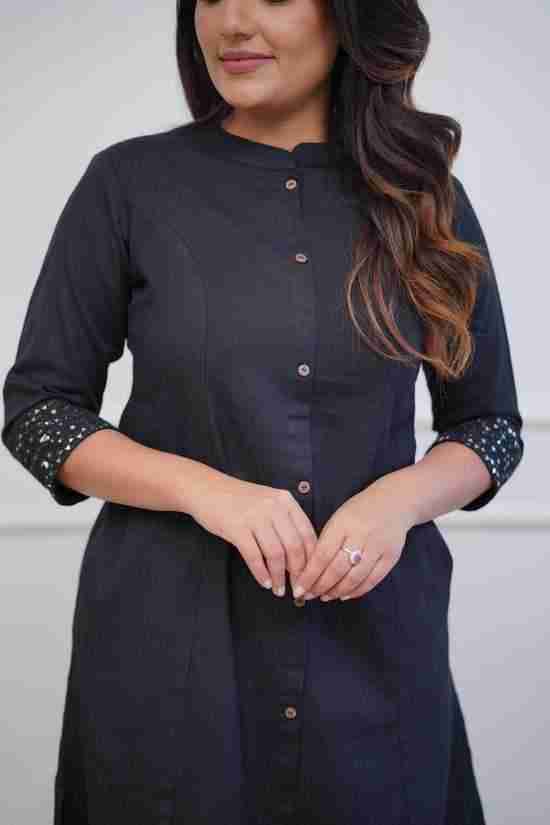
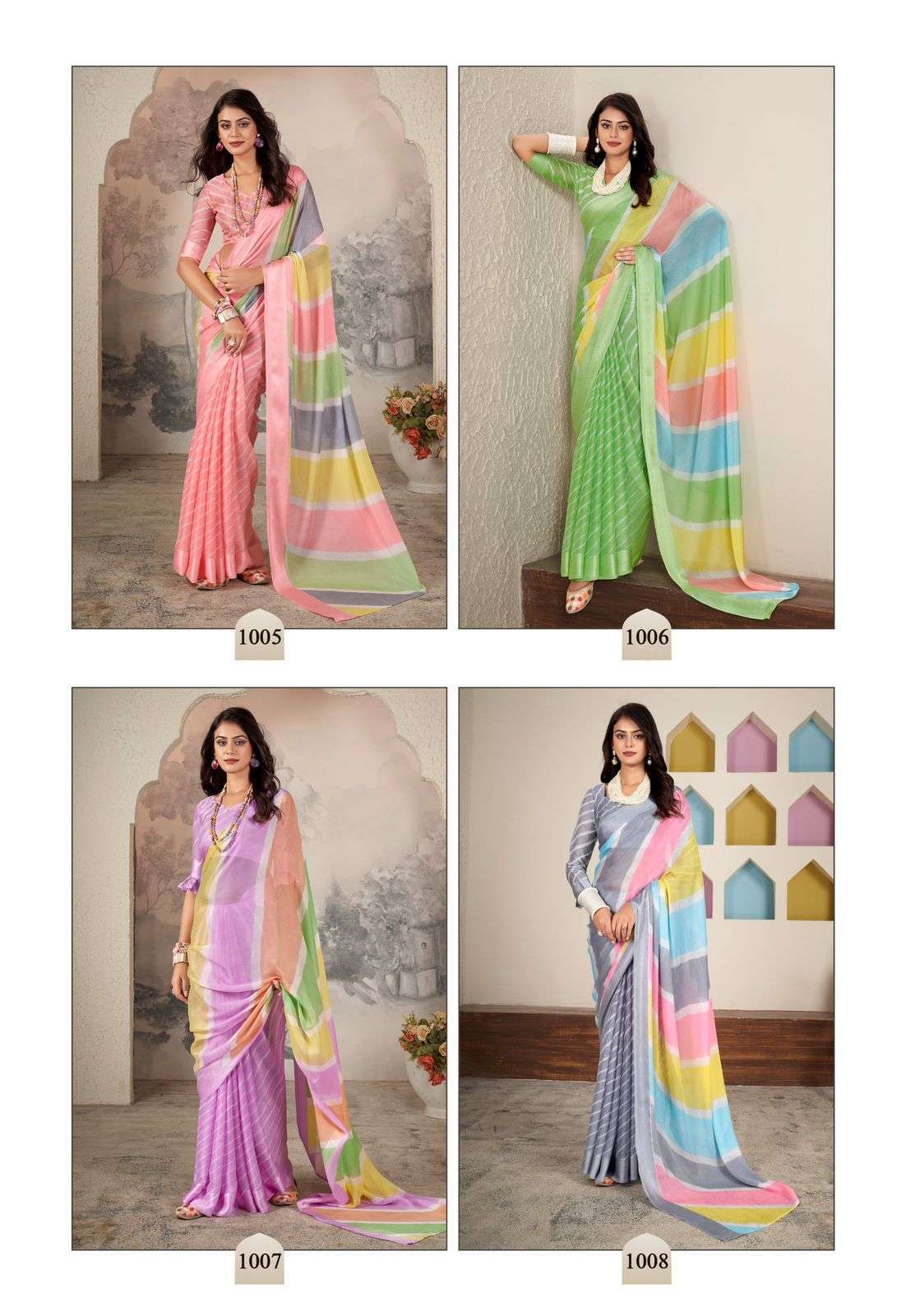
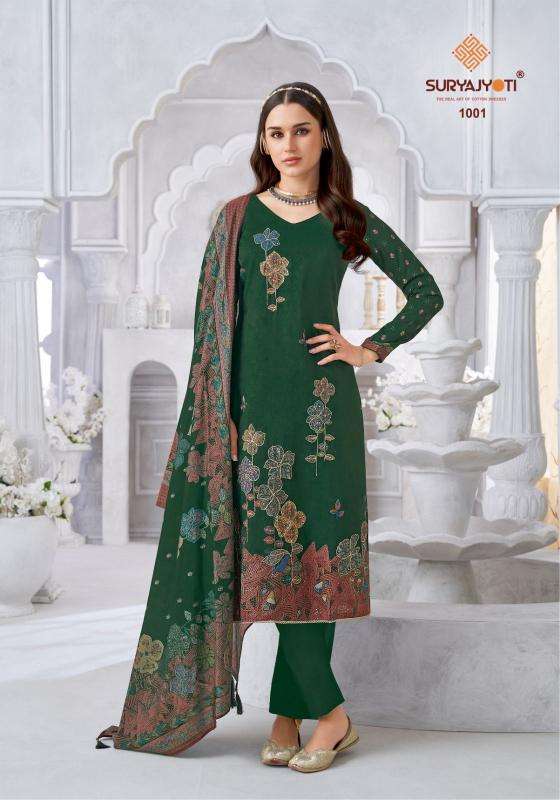
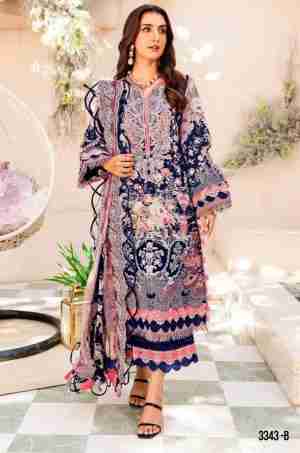
<h1><strong>Best Supplier for Boutique Owners – Wholesale Ethnic Wear from Surat</strong></h1> <p>Running a successful boutique depends heavily on what you stock, how quickly you can refresh your collection, and whether your buying price leaves enough room for healthy retail margins. For boutique owners looking for fresh Indian ethnic wear, dependable sourcing, premium-looking designs and flexible wholesale purchasing, Surat continues to be one of the strongest sourcing destinations in India. Kapdawholesale.com brings this sourcing opportunity online, helping boutiques, resellers, shop owners and wholesale buyers purchase market-ready collections directly from a Surat-based wholesale network.</p> <h2><strong>Introduction</strong></h2> <p>A boutique customer rarely walks into a store looking only for a basic garment. She is usually searching for something that feels new, attractive and different from what is available everywhere else. That makes product selection extremely important for boutique owners. The right <strong>wholesale clothing supplier for boutiques</strong> should offer more than low prices; the supplier should help buyers maintain variety, quality and a regular flow of new designs.</p> <p>For buyers sourcing in <strong>2026</strong>, speed has become equally important. Fashion trends move quickly through Instagram, short videos, marketplaces and local retail markets. A design that starts gaining attention today can create strong retail demand within days. Boutique owners therefore need access to suppliers who can provide new catalogues regularly rather than depending only on seasonal purchasing.</p> <p>Kapdawholesale.com is designed for this type of wholesale buyer. Buyers can explore ethnic wear collections from Surat without depending entirely on physical market visits. The platform is suitable for <strong>boutique owners, home-based sellers, showroom owners, resellers, shop owners and wholesale buyers</strong> who want to build or expand their ethnic fashion inventory.</p> <p>The wholesale operations are backed by Vastralife's wholesale and export experience since 2017. Years of working with textile products, suppliers, manufacturers and different buyer requirements provide practical industry expertise in identifying collections that balance design, quality and saleability.</p> <h2><strong>Why Boutique Owners Source Ethnic Wear from Surat</strong></h2> <p>Surat has developed one of India's most active textile ecosystems. Buyers visiting the <strong>surat textile market</strong> can find an enormous variety of sarees, kurtis, salwar suits, dress materials, kurti sets and other women's ethnic wear. Important textile trading areas around <strong>ring road</strong> and <strong>sahara darwaza</strong> connect manufacturers, wholesalers, traders and transport networks in one concentrated commercial zone.</p> <p>For a boutique owner, this ecosystem creates an important advantage: choice. Instead of building an entire store around one manufacturer or one style, buyers can source different designs for different customer profiles. A boutique may stock everyday cotton suits, premium embroidered sets, festive collections, printed dress materials and occasion wear together.</p> <h3><strong>Buy Collections for Different Customer Budgets</strong></h3> <p>Not every boutique customer shops at the same <strong>price</strong> point. Some customers want attractive everyday ethnic wear at an affordable rate, while others are willing to spend more for embroidery, better fabrics, premium finishing or festive designs. A strong <strong>boutique wholesale supplier in India</strong> should therefore provide multiple product ranges rather than forcing every retailer into one pricing segment.</p> <p>This variety also gives boutique owners more control over their retail margins. Entry-level products can attract regular shoppers, mid-range designs can become the store's core inventory, and premium products can improve average order value during weddings, festivals and special occasions.</p> <h3><strong>Purchase New Designs More Regularly</strong></h3> <p>A boutique can lose customer interest when the same products remain on display for too long. Regular arrivals give customers a reason to revisit the store, follow WhatsApp updates and check new social-media posts. That is why <strong>latest wholesale ethnic wear</strong>, new salwar suit designs and fresh dress material catalogues are valuable for retailers.</p> <p>Instead of investing the complete purchasing budget in one large style, many boutique buyers prefer to create a balanced inventory with multiple patterns, fabrics and price points. This approach helps test local demand while keeping the display visually fresh.</p> <h2><strong>Best Wholesale Products for Boutique Owners in 2026</strong></h2> <p>The ideal product mix depends on location and customer profile, but women's ethnic wear continues to offer boutiques opportunities across daily wear, office wear, festive shopping, gifting and occasion dressing. Buyers searching for the <strong>best supplier for boutique owners</strong> should therefore evaluate the supplier's overall product range rather than judging only one catalogue.</p> <h3><strong>Wholesale Salwar Suits</strong></h3> <p><strong>Wholesale salwar suits</strong> remain an important category because they work across age groups and buying occasions. Straight-cut suits, embroidered sets, printed suits, festive combinations and premium designs can all serve different customer segments.</p> <p>For boutique owners, coordinated suit sets are particularly convenient because the complete look can be displayed immediately. Customers do not need to separately match a kurta, bottom and dupatta, which can make the buying decision easier.</p> <h3><strong>Wholesale Dress Materials</strong></h3> <p><strong>Wholesale dress materials</strong> are useful for boutiques serving customers who prefer custom stitching. They give shoppers flexibility in fitting, neckline, sleeves and overall styling. Printed cotton, festive fabrics, embroidered materials and premium unstitched suit collections can create a strong category for stores with tailoring customers.</p> <p>Dress materials can also be valuable in markets where customers prefer traditional purchasing habits and want their garments stitched according to individual measurements.</p> <h3><strong>Kurti and Kurti Set Wholesale</strong></h3> <p>Kurtis are among the easiest products for many home sellers and boutiques to retail because customers can use them for casual, office and semi-festive dressing. A varied <strong>kurti wholesale collection</strong> can include straight kurtis, A-line patterns, printed kurtis, embroidered styles, plus-size options and coordinated kurti sets.</p> <p>Retailers can combine affordable everyday pieces with premium-looking sets to cover multiple buying budgets. Regularly changing colours and patterns can also help maintain stronger visual variety on racks and social-media feeds.</p> <h3><strong>Festive and Occasion Wear</strong></h3> <p>Festivals and wedding seasons can create a higher-value purchasing window for boutiques. Embroidered suits, embellished kurti sets, designer ethnic wear and premium dress materials can be positioned as occasion collections. Retailers should ideally begin purchasing before peak demand so they have enough time for photography, promotion and customer bookings.</p> <img src="https://kapdawholesale.com/images/product/2026/06/deepsy-suits-jade-le-premier-vol-2-salwar-suit-wholesale-market-in-hyderabad-2026-06-10_14_40_08.jpeg"/> <h2><strong>What Boutique Buyers Should Expect from a Wholesale Supplier</strong></h2> <p>Choosing inventory only by looking at attractive catalogue photographs can be risky. Boutique owners need a sourcing relationship that supports repeat business. Product consistency, transparent communication, dispatch reliability and catalogue freshness become increasingly important as purchasing volume grows.</p> <h3><strong>Premium Product Quality</strong></h3> <p>Quality directly affects a boutique's reputation. Customers may forgive a store for not having every colour, but repeated fabric or finishing complaints can damage trust. Boutique buyers should pay attention to fabric feel, stitching, embroidery, colour presentation, finishing and overall value at the offered wholesale price.</p> <p>Vastralife's industry experience since 2017 supports sourcing with attention to both wholesale practicality and <strong>premium product quality</strong>. This is particularly important for retailers who want repeat customers rather than only one-time sales.</p> <h3><strong>Competitive Wholesale Pricing</strong></h3> <p>A good wholesale purchase should create enough room between buying cost and realistic selling price. The cheapest catalogue is not automatically the most profitable. A slightly better product may sell faster, attract fewer complaints and justify a stronger retail price.</p> <p>Boutique owners should calculate landed cost, including product cost, transportation and any other applicable expenses, before deciding their final retail pricing. This gives a clearer picture of the actual margin instead of comparing only catalogue rates.</p> <h3><strong>Reliable Stock and Dispatch Communication</strong></h3> <p>Once a retailer begins promoting a design, availability becomes important. Customers can lose confidence if products are repeatedly promoted but cannot be supplied. Clear confirmation before payment and dispatch helps boutique owners manage customer expectations more effectively.</p> <p>This becomes even more important for online resellers and home-based sellers because their sales often begin from catalogue images before the merchandise reaches their own location.</p> <h2><strong>Buy Wholesale Clothing Online from Surat</strong></h2> <p>Traditional sourcing trips remain useful, but online wholesale purchasing has changed how smaller retailers can access Surat. A boutique owner in another state no longer needs to travel for every inventory refresh. Through Kapdawholesale.com, buyers can explore collections online and plan purchasing according to their own stock requirements.</p> <p>This model is especially valuable for buyers who want to <strong>buy wholesale clothing online</strong> while keeping travel costs under control. A boutique can reorder successful categories, test fresh collections and expand its product mix without waiting for the next physical market visit.</p> <p>Online wholesale sourcing can also support businesses outside India. Indian ethnic fashion has customers across international markets, and suitable collections can be planned for <strong>USA, Nepal and Australia</strong> depending on product availability, order requirements and export logistics.</p> <h3><strong>Wholesale Supply for Home-Based Sellers</strong></h3> <p>Home-based fashion businesses often start with smaller customer networks through WhatsApp, Instagram, Facebook or local referrals. They need attractive products but also need to control inventory investment. Access to multiple wholesale catalogues allows these sellers to select merchandise according to actual customer demand.</p> <p>A home seller can gradually expand from a small collection into kurti sets, salwar suits, dress materials and festive products as the customer base grows.</p> <h3><strong>Wholesale Supply for Established Boutiques and Showrooms</strong></h3> <p>Established stores generally require greater variety and more frequent replenishment. Their customers expect new arrivals, which makes a regular <strong>ethnic wear wholesale supplier</strong> particularly valuable. Showroom buyers may also require a combination of budget, mid-range and premium inventory to cover a wider audience.</p> <p>For businesses sourcing larger quantities, manufacturing connections and access to Surat's textile network can make assortment planning easier. Wholesale buyers can focus on product categories that already perform well while continuously testing new designs.</p> <h2><strong>How to Build a Profitable Boutique Inventory</strong></h2> <p>A profitable boutique is rarely built by purchasing random designs. Inventory should be selected with the store's location, average customer budget, preferred sizes and previous sales in mind. Even when a supplier offers hundreds of products, the retailer's job is to choose the right combination.</p> <h3><strong>Start with Fast-Moving Core Categories</strong></h3> <p>Keep a meaningful share of the purchasing budget for categories customers already buy regularly. Depending on the market, this could include cotton suits, daily kurtis, kurti sets or printed dress materials. These products can help maintain regular cash flow.</p> <h3><strong>Add Trend-Led Designs in Controlled Quantities</strong></h3> <p>Fashion-driven collections can create attention, especially on social media, but trends can change quickly. Boutique owners can initially purchase controlled quantities and increase orders when actual customer response confirms demand.</p> <h3><strong>Keep a Premium Segment</strong></h3> <p>A carefully selected premium range gives the store something distinctive. Better embroidery, richer fabrics, attractive dupattas and stronger finishing can appeal to customers shopping for functions or gifting. Premium inventory can also strengthen the boutique's overall presentation.</p> <p>For buyers planning their 2026 purchasing, this combination of core products, trends and premium styles can create a more balanced stock strategy than depending entirely on one segment.</p>
<p>Once the core inventory is planned, the next step is to make purchasing more targeted. Boutique owners should compare designs according to their own customer base rather than simply choosing whatever is newest. A product that performs strongly in one city may move differently in another. Colour preferences, climate, festival calendars, local fashion tastes and average customer spending all influence which wholesale collection can generate better turnover.</p> <h2><strong>Wholesale Buying Strategy for Different Boutique Markets</strong></h2> <p>A dependable <strong>best supplier for boutique owners</strong> should be useful not only for one type of retailer but for businesses operating across different markets. A small home-based seller may need carefully selected pieces, while an established showroom may require regular bulk orders and a much wider variety of designs. The purchasing strategy should change accordingly.</p> <h3><strong>For Local Boutique and Shop Owners</strong></h3> <p>Local boutiques can build their purchasing around repeat customer behaviour. If straight suits and kurti sets sell consistently, those categories should receive a larger portion of the purchasing budget. Fresh colours, new neck patterns, embroidered details and seasonal fabrics can then be introduced regularly without completely changing the store's proven product mix.</p> <p>Retailers purchasing from the <strong>Surat wholesale clothing market</strong> should also compare products by their expected retail value. A design that looks premium enough to command a higher selling price can sometimes offer a better business opportunity than an extremely low-cost product with limited visual appeal.</p> <h3><strong>For Online Resellers and Social Sellers</strong></h3> <p>Online resellers need products that photograph well and communicate value quickly through a mobile screen. Clear patterns, attractive colour combinations, visible embroidery and coordinated sets can perform well because customers can understand the complete look without physically touching the garment.</p> <p>Regular catalogue updates are especially important for social sellers. Posting the same designs repeatedly reduces freshness. A supplier offering <strong>latest wholesale clothing collections</strong> can help sellers maintain a steady flow of content while also giving existing customers new reasons to enquire.</p> <h3><strong>For Showrooms and Bulk Wholesale Buyers</strong></h3> <p>Larger buyers usually require deeper inventory planning. Instead of buying only one attractive catalogue, they may purchase several ranges across different price points. This creates a complete display and reduces dependence on a single style.</p> <p>Bulk buyers should discuss availability, quantity, dispatch planning and applicable <strong>bulk order deals</strong> before confirming major purchases. Proper coordination becomes even more valuable during festival and wedding seasons when popular designs can move quickly through the wholesale market.</p> <p>Retailers looking to broaden their product mix can explore <a href="https://www.kapdawholesale.com/printed-salwar-kameez">printed salwar kameez</a> for versatile everyday and semi-festive inventory. Boutiques serving customers who prefer custom stitching can also source <a href="https://www.kapdawholesale.com/cotton-dress-material">cotton dress material</a> as an additional fast-moving category.</p> <h2><strong>Why Surat Is Important for Boutique Wholesale Purchasing</strong></h2> <p>Surat is not simply a place where finished garments are traded. Its broader textile ecosystem includes fabric suppliers, processing businesses, designers, traders, wholesalers and <strong>manufacturing</strong> networks. This concentration allows new collections to enter the market continuously and gives wholesale buyers access to multiple product categories.</p> <p>The commercial areas around the <strong>surat textile market</strong>, <strong>ring road</strong> and <strong>sahara darwaza</strong> are widely associated with textile trading activity. For boutique buyers, sourcing through a business connected to this ecosystem can provide access to a broader selection than relying on a limited local distributor.</p> <p>Kapdawholesale.com brings this sourcing approach online so retailers can review products without making a physical Surat trip for every purchase. The objective is to make wholesale selection more accessible for buyers across India as well as businesses sourcing Indian ethnic wear for international markets.</p> <img src="https://kapdawholesale.com/images/product/2026/06/farida-fab-mau-summary-wholesale-salwar-suits-in-ahmedabad-2026-06-08_14_04_50.jpeg" /> <h2><strong>Wholesale and Export Opportunities for Boutique Owners</strong></h2> <p>Indian ethnic wear is no longer restricted to domestic retail. Boutiques serving Indian communities overseas can also build collections around kurtis, salwar suits, dress materials and festive styles. For an international buyer, however, purchasing decisions should consider product cost together with packing, shipping and <strong>export</strong> requirements.</p> <h3><strong>Wholesale Clothing Supply to the USA</strong></h3> <p>Boutiques in the USA serving Indian and South Asian customers can create inventory around festive occasions, weddings, family functions and regular ethnic dressing. Because international logistics add to landed cost, buyers should select products with enough perceived retail value to maintain a workable margin after shipping expenses.</p> <h3><strong>Wholesale Ethnic Wear for Nepal</strong></h3> <p>Nepal offers a natural market for Indian ethnic fashion, particularly salwar suits, kurtis, festive sets and dress materials. Retailers can plan purchases around local festivals and seasonal demand. A mixed inventory of affordable daily products and premium occasion wear can help cover different customer budgets.</p> <h3><strong>Indian Clothing Wholesale for Australia</strong></h3> <p>Indian boutiques and ethnic fashion resellers in Australia can source collections for festivals, community events, weddings and regular ethnic wear demand. Buyers should consider seasonality when choosing fabrics because weather conditions and buying periods may differ from India.</p> <p>Vastralife's wholesale and export experience since 2017 supports the broader sourcing ecosystem behind these collections. Experience in dealing with different products, markets and customer requirements helps in understanding what wholesale buyers generally expect: dependable communication, competitive pricing, attractive products and consistent quality.</p> <h2><strong>How to Choose the Best Supplier for Boutique Owners</strong></h2> <p>When searching online for the <strong>best supplier for boutique owners</strong>, retailers should avoid making a decision based only on one low price or one attractive product image. A long-term supplier should contribute to the stability of the business.</p> <h3><strong>Check Collection Variety</strong></h3> <p>A supplier with multiple categories makes expansion easier. Today a boutique may primarily sell salwar suits; tomorrow customers may begin asking for dress materials, kurtis or festive sets. Being able to source additional categories from the same wholesale network simplifies purchasing.</p> <h3><strong>Compare Quality with Wholesale Price</strong></h3> <p>Wholesale buying is about value, not simply the lowest rate. Compare fabric, work, finishing, overall presentation and expected customer acceptance against the quoted <strong>wholesale price</strong>. The most profitable item is often the one that offers a convincing retail look at a commercially workable cost.</p> <h3><strong>Look for Regular New Arrivals</strong></h3> <p>Regular new arrivals are critical for fashion retailers. Customers who see fresh merchandise frequently are more likely to revisit the boutique or continue following its online updates. For this reason, retailers should prioritise wholesale sources capable of supporting repeated purchasing throughout the year.</p> <h3><strong>Confirm Order and Dispatch Details</strong></h3> <p>Before making payment, buyers should confirm product availability, quantity, applicable shipping conditions and expected dispatch process. This is especially important for bulk orders and time-sensitive festive purchases.</p> <h3><strong>Build the Relationship Through Repeat Orders</strong></h3> <p>A practical way to evaluate a new supplier is to begin with a suitable order, review customer response and then increase purchasing as confidence grows. Over time, the retailer gains a better understanding of which supplier categories match the boutique's audience.</p> <h2><strong>Internal Linking – Explore More Wholesale Categories</strong></h2> <p>Kapdawholesale.com is designed to help wholesale buyers explore multiple ethnic fashion categories from one online sourcing destination. Boutique owners can move beyond a single product line and create a more complete retail assortment with salwar suits, dress materials, kurtis and other trending women's ethnic wear.</p> <p>This approach can be particularly useful for resellers who want to increase their average customer order. A shopper coming for one kurti may also be interested in a festive suit or unstitched dress material when the boutique offers complementary categories.</p> <p>When selecting inventory, buyers should maintain a balance between repeat-selling staples and visually fresh products. The combination helps generate regular business while keeping the store relevant to current fashion demand.</p> <h2><strong>Buying Wholesale Ethnic Wear in 2026</strong></h2> <p>The wholesale fashion market in <strong>2026</strong> is increasingly influenced by digital discovery. Customers see new designs through reels, social posts and online stores before visiting a physical boutique. Retailers therefore need a sourcing process capable of responding to demand faster than traditional seasonal buying alone.</p> <p>For boutique owners, this means purchasing smaller batches of multiple designs can sometimes be more useful than investing heavily in one catalogue. Once a particular pattern starts selling, the retailer can consider repeating or expanding similar styles according to availability.</p> <p>Kapdawholesale.com provides an online route for retailers looking for <strong>wholesale ethnic wear from Surat</strong>. Whether the buyer operates a home business, boutique, shop, showroom or reselling operation, the objective is the same: purchase attractive merchandise at a viable rate and convert inventory into profitable retail sales.</p> <h2><strong>Customer FAQs</strong></h2> <h3><strong>1. Where can boutique owners buy wholesale ethnic wear online?</strong></h3> <p>Boutique owners can explore Kapdawholesale.com for wholesale ethnic wear sourced through the Surat textile ecosystem. Available collections can suit home-based sellers, retail boutiques, shops, showrooms and wholesale buyers looking for Indian women's fashion.</p> <h3><strong>2. What products should a new boutique buy first?</strong></h3> <p>A new boutique should focus first on products that match its target customers. Kurtis, kurti sets, salwar suits and dress materials are useful categories to consider. Instead of purchasing excessive stock immediately, buyers can create a mixed collection across different designs and price points and expand according to actual sales.</p> <h3><strong>3. Can I purchase wholesale clothing for reselling online?</strong></h3> <p>Yes. Wholesale collections can be suitable for Instagram sellers, WhatsApp sellers, home-based businesses and other reselling models. Choose visually attractive products, understand your landed cost and set a retail price that leaves a sustainable margin.</p> <h3><strong>4. Are bulk order deals available for boutique buyers?</strong></h3> <p>Bulk purchasing opportunities can depend on the collection, quantity and current availability. Wholesale buyers planning larger orders should enquire about the applicable pricing and order conditions before confirming their purchase.</p> <h3><strong>5. Can international boutique owners source Indian ethnic wear?</strong></h3> <p>International buyers, including boutiques serving Indian fashion customers in markets such as the USA and Australia, can enquire about suitable products and export possibilities. Shipping and order conditions should be confirmed according to the destination and shipment requirements.</p> <h3><strong>6. Why should I source from a Surat wholesale supplier?</strong></h3> <p>Surat offers access to a large textile trading and manufacturing ecosystem. This makes it possible for retailers to explore diverse products, new catalogues and multiple wholesale price ranges while sourcing from one of India's major textile markets.</p> <h3><strong>7. Does Kapdawholesale.com work for home-based sellers?</strong></h3> <p>Yes. Home sellers can use the platform to explore wholesale collections for their customer network. Selecting products according to confirmed or likely demand can help smaller sellers control inventory investment while building their business gradually.</p> <h3><strong>8. What should I check before placing a wholesale order?</strong></h3> <p>Review the product design, fabric details, size information where applicable, quantity, price, availability, payment terms and dispatch conditions. For larger orders, confirming these points in advance makes purchasing smoother.</p> <h2><strong>Order Wholesale Collections for Your Boutique</strong></h2> <p>If you are searching for the <strong>best supplier for boutique owners</strong>, build your inventory around products your customers can confidently buy and you can profitably resell. Kapdawholesale.com gives boutique owners, resellers, shop owners, home-based sellers, showroom owners and wholesale buyers access to fresh ethnic fashion collections from the Surat sourcing network.</p> <p>Explore <strong>Latest Collections</strong> for fresh inventory, check <strong>Wholesale Pricing</strong> for business purchasing, discover <strong>Trendy Ethnic Wear</strong>, enquire about <strong>Fast Shipping</strong> and available <strong>COD Support</strong>, and discuss <strong>Bulk Order Deals</strong> when planning larger purchases.</p> <p>Buyers looking for affordable inventory can also explore <strong>Quality Products Starting From ₹299</strong>, subject to current collection availability. Combining competitive purchasing with premium product quality and regular new arrivals can help retailers create stronger margins and keep their boutiques fresh throughout the year.</p> <p><strong>Contact Number:</strong> +91 9712582172</p> <p><strong>Website:</strong> kapdawholesale.com</p> <p>Start selecting your next wholesale collection today and build a boutique inventory around fresh designs, practical wholesale pricing, reliable sourcing and the textile industry experience behind Vastralife since 2017.</p>