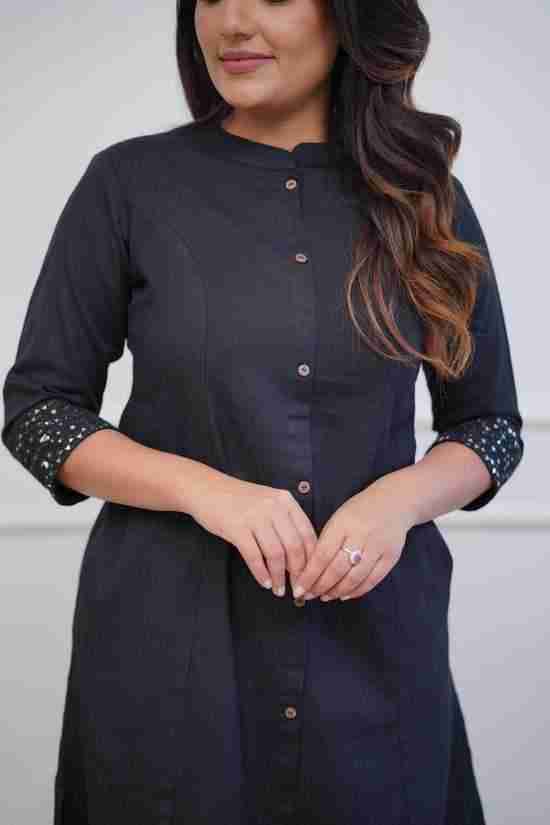
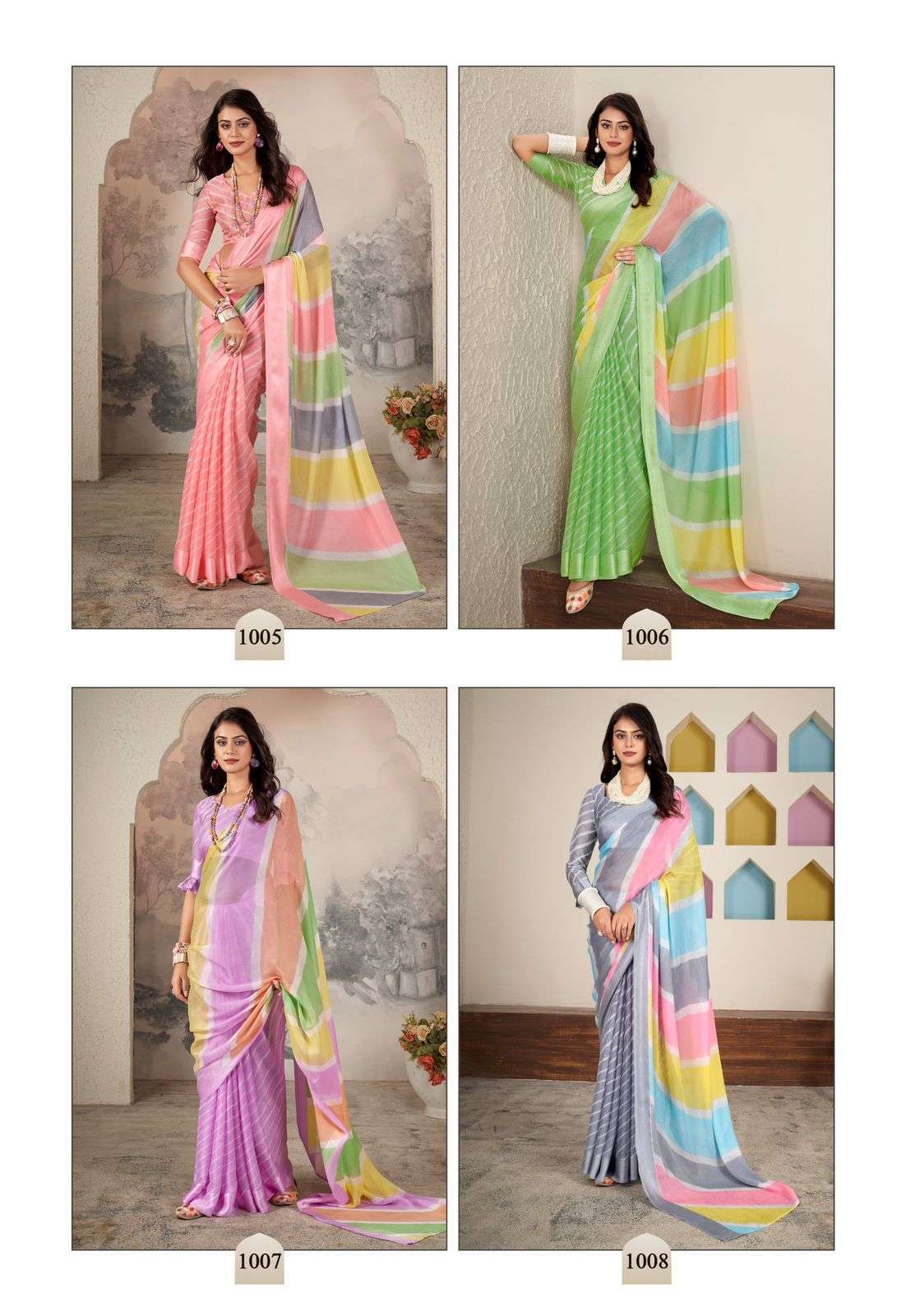
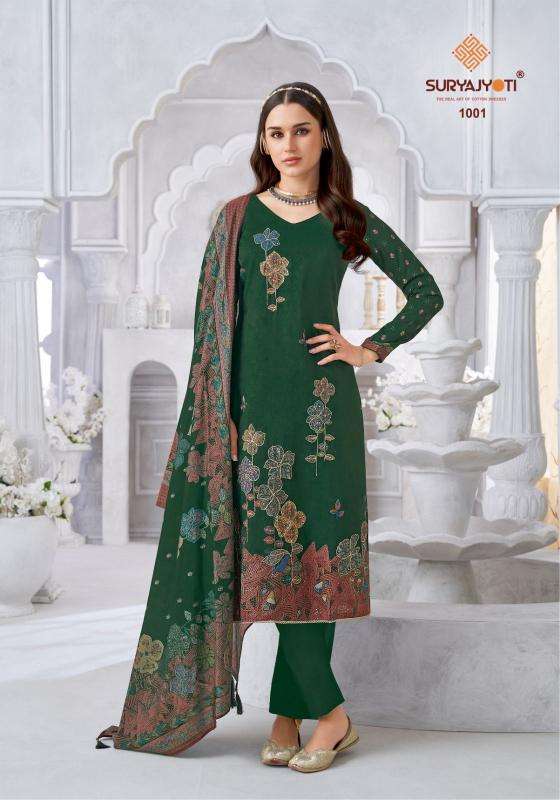
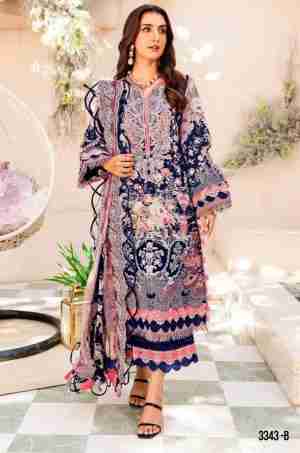
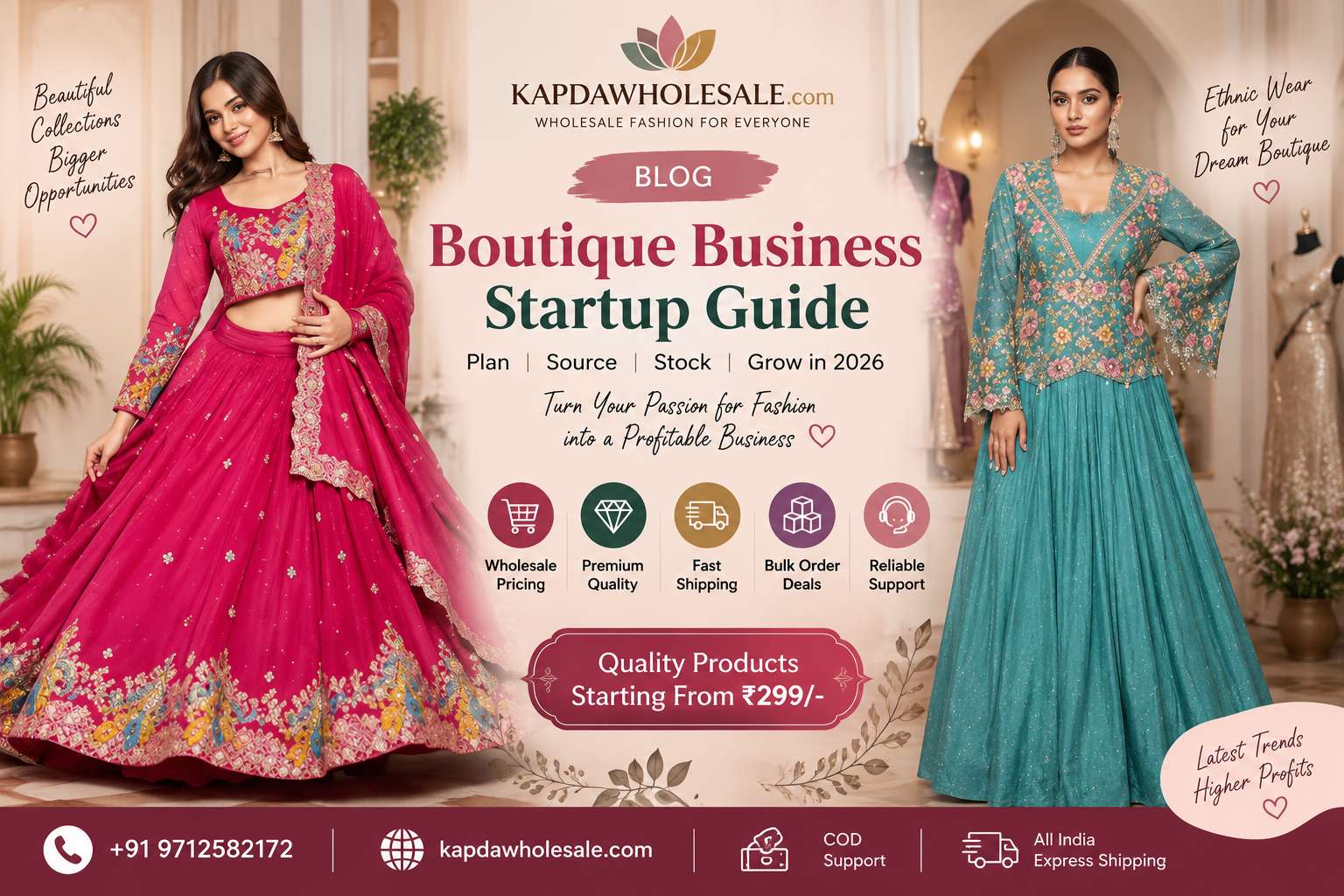
<h1><strong>Best Products for Boutique Business in 2026 – Wholesale Buying Guide</strong></h1> <p>A profitable boutique starts with the right merchandise. Customers may discover a store through Instagram, WhatsApp, Google or a local recommendation, but the collection ultimately decides whether they purchase and return. For boutique owners, resellers and showroom buyers, choosing products with strong visual appeal, practical price points and repeat demand can make stock movement considerably easier. From Surat-sourced ethnic collections to premium occasion wear, a carefully planned product mix gives sellers more opportunities to serve different customer budgets and buying occasions.</p> <h2><strong>Introduction</strong></h2> <p>The Indian ethnic wear business continues to create opportunities for retailers who can combine fresh designs with sensible wholesale buying. In 2026, buyers are not limited to traditional physical sourcing. Boutique owners can compare catalogues, select collections and place wholesale orders online while building a product range suitable for their local market.</p> <p>For anyone searching for the <strong>best products for boutique business</strong>, the objective should not be to fill shelves with as many designs as possible. A better approach is to build a balanced collection across daily wear, festive wear, party wear and premium ethnic categories. This allows a boutique to serve customers looking for affordable pieces as well as buyers willing to spend more for distinctive designs.</p> <p>Surat remains an important sourcing destination because of its textile ecosystem, variety of suppliers and access to <strong>manufacturing</strong> networks. Buyers sourcing around the <strong>surat textile market</strong>, Ring Road and Sahara Darwaza can find extensive choices across ethnic wear categories. Online wholesale sourcing makes this same market opportunity more accessible to buyers who cannot travel to Surat frequently.</p> <p>Through kapdawholesale.com, boutique owners, home-based sellers, shop owners, showroom owners, resellers and wholesale buyers can explore multiple categories without depending entirely on traditional offline market visits. This is particularly useful when a business needs regular new arrivals instead of purchasing stock only once or twice during a season.</p> <h2><strong>Which Products Should a Boutique Buy in 2026?</strong></h2> <p>A strong boutique inventory usually contains more than one product category. A customer shopping for a casual kurti today may return for a wedding gown, festive suit or lehenga later. Maintaining complementary categories increases the potential lifetime value of each customer and gives the seller more opportunities for cross-selling.</p> <h3><strong>Designer Gowns for Premium Occasion Sales</strong></h3> <p><strong>Wholesale designer gowns</strong> are an attractive category for boutiques serving engagement, wedding, reception, festive and party customers. Gowns create strong visual impact both inside a showroom and on social media, which makes them especially suitable for boutiques that generate sales through reels, catalogue sharing and WhatsApp.</p> <p>The ideal gown inventory should contain different price levels rather than only premium pieces. Entry-level festive gowns can attract price-conscious customers, while elaborate embroidered, satin, georgette and designer gowns can serve customers searching for a more premium appearance.</p> <p>When buying <strong>gowns wholesale in Surat</strong>, retailers should compare fabric, flare, lining, finishing, embroidery, stitching and size availability along with the wholesale price. A lower buying price does not automatically mean better stock if the design does not match the boutique's customer profile.</p> <h3><strong>Kurti Sets for Regular Boutique Turnover</strong></h3> <p>Kurti sets are valuable because they can serve office wear, casual outings, small functions, gifting and everyday ethnic fashion. Cotton sets, rayon sets, printed kurti-pant combinations and kurti-pant-dupatta sets give a boutique several selling opportunities throughout the year.</p> <p>For retailers, <strong>kurti wholesale suppliers</strong> offering regular catalogue updates can be particularly useful. Instead of committing too much capital to one pattern, sellers can maintain variety through smaller rotations of fresh designs. This strategy can also help home-based sellers whose customers expect new WhatsApp or Instagram catalogue updates frequently.</p> <h3><strong>Pakistani Suits for Fashion-Focused Customers</strong></h3> <p>Pakistani-style suits have developed a distinctive place in ethnic fashion because of their silhouettes, embroidery, prints, sleeves, coordinated bottoms and dupatta styling. A boutique can use these collections to differentiate its merchandise from ordinary local-market inventory.</p> <p><strong>Pakistani suits wholesale</strong> collections can include lawn-inspired designs, cotton suits, embroidered suits, festive suits, readymade sets and premium party styles. The category can work particularly well when the boutique's customer base follows new ethnic fashion through social media.</p> <p>Buyers should examine the complete set rather than judging only the kurta. Dupatta presentation, bottom fabric, embroidery placement and overall colour coordination influence how premium the final product looks to the retail customer.</p> <h2><strong>Create a Profitable Boutique Product Mix</strong></h2> <p>The <strong>best products for boutique business</strong> are not necessarily identical for every seller. A boutique in a residential market may need a different stock ratio from a premium showroom or an Instagram-based seller shipping nationwide. Product selection should therefore begin with the customers the business expects to serve.</p> <h3><strong>Keep Fast-Moving Everyday Products</strong></h3> <p>Daily and semi-casual products create regular transactions between major festive seasons. Cotton kurtis, printed kurtis, kurti sets, dress materials, simple salwar suits and comfortable ethnic sets can provide this base. These collections are especially relevant for customers who buy clothing for office, college, routine outings and everyday use.</p> <p>For this portion of inventory, the boutique should prioritize comfortable fabric, wearable colours and competitive <strong>price</strong> points. Retail margins matter, but repeat purchase potential is equally important. Customers who are satisfied with an everyday product can later become buyers of higher-value festive merchandise.</p> <h3><strong>Add Mid-Range Fashion Collections</strong></h3> <p>The next stock layer can include designer kurtis, embroidered suit sets, stylish co-ord sets, Anarkali suits, sharara sets and attractive ready-to-wear ethnic outfits. These products provide a bridge between basic daily wear and expensive occasion wear.</p> <p>Mid-range products are useful for customers who want a noticeable upgrade in design without moving into a very high retail budget. For many boutique owners, this category can form an important part of the collection because it works across birthdays, family functions, festive gatherings and gifting.</p> <h3><strong>Reserve Space for Premium Occasion Wear</strong></h3> <p>Premium inventory can include designer gowns, lehenga choli collections, heavily embroidered suits and distinctive festive sets. These products may sell less frequently than everyday wear, but their higher ticket value can make them important to overall boutique positioning.</p> <p>A boutique does not need dozens of similar premium designs. A smaller number of visually powerful pieces can create a premium impression while protecting working capital. Buyers can then replenish styles based on actual customer response.</p> <img src="https://kapdawholesale.com/images/product/2026/02/sayuri-aaradhana-gown-kurti-retailers-in-bangalore-2026-02-02_14_07_20.jpeg"/> <h2><strong>Wholesale Ethnic Wear Categories Worth Stocking</strong></h2> <p>A broader ethnic assortment gives a boutique more reasons to communicate with customers throughout the year. Instead of promoting only one type of garment, sellers can create different campaigns around weddings, festivals, office wear, summer collections, gifting and seasonal fashion.</p> <h3><strong>Anarkali Suits</strong></h3> <p><strong>Anarkali suits wholesale</strong> collections can serve festive buyers, wedding guests and customers looking for a graceful traditional silhouette. The category works across multiple fabric and price levels, from relatively simple printed styles to elaborate embroidered and occasion-ready pieces.</p> <p>When selecting Anarkali inventory, boutique owners should consider flare, length, dupatta quality, colour combinations and size options. Designs that photograph well are particularly useful for online resellers because customers often make their first selection from catalogue photographs or videos.</p> <h3><strong>Lehenga Choli Collections</strong></h3> <p><strong>Lehenga choli wholesale</strong> stock can give a boutique access to wedding, Navratri, engagement and festive demand. The category can range from lightweight fashionable lehengas to heavily worked premium designs. Rather than buying only the most expensive pieces, sellers can create several retail price brackets.</p> <p>Colour selection also matters. Classic shades can provide stable demand, while trending seasonal colours can make the collection feel current. Boutique owners should monitor customer enquiries and reorder patterns rather than relying entirely on personal preference.</p> <h3><strong>Dress Materials and Salwar Suits</strong></h3> <p>Unstitched dress materials remain useful for customers who prefer customized fitting and styling. Cotton dress materials, embroidered suit materials, festive sets and premium fabrics can complement a boutique's readymade inventory.</p> <p><strong>Salwar suits wholesale</strong> collections can provide another dependable category for customers who prefer traditional coordinated dressing. Sellers can stock simple daily designs alongside more decorative pieces for festive and family occasions.</p> <h2><strong>Source Boutique Stock from Surat</strong></h2> <p>Surat's extensive textile trade gives retailers access to numerous categories within one sourcing ecosystem. Businesses visiting <strong>Ring Road</strong>, <strong>Sahara Darwaza</strong> and surrounding textile areas can encounter wholesalers, traders, distributors and manufacturing-linked suppliers serving different segments of the garment business.</p> <p>However, travelling for every replenishment may not be practical for a boutique located elsewhere in India or overseas. Online wholesale purchasing can reduce this limitation. Through kapdawholesale.com, buyers can evaluate fresh product options remotely and plan replenishment according to sales instead of waiting for the next physical market trip.</p> <p>For boutique owners purchasing from outside Surat, catalogue quality and product information become particularly important. A supplier relationship should help the buyer understand what is available, which categories are newly launched and what type of merchandise fits the required price bracket.</p> <h3><strong>Why Manufacturing Access Matters</strong></h3> <p>A sourcing ecosystem connected with <strong>manufacturing</strong> can offer retailers broader design choices and more frequent collection changes. This matters because boutique customers often notice when the same products remain on display for too long.</p> <p>Fresh stock also creates new marketing content. Every new catalogue can become a WhatsApp update, Instagram reel, Facebook post or direct customer message. In this way, inventory purchasing and digital marketing can support each other.</p> <h2><strong>Wholesale Buying for Home-Based Sellers and Resellers</strong></h2> <p>Not every fashion business begins with a physical boutique. Home-based sellers and online resellers can start with controlled stock and expand based on actual orders. The key is selecting products that are easy to present digitally and suitable for the seller's target customer group.</p> <p>For an online seller, attractive catalogue photography, clear product details and predictable sourcing are valuable. Instead of attempting to offer every category immediately, a seller can begin with a focused mix such as kurtis, suits and gowns and then introduce lehengas or other premium products after understanding customer demand.</p> <p>The <strong>best wholesale clothing for boutiques</strong> should provide enough variation to keep the catalogue interesting without creating unnecessary inventory pressure. Sellers should evaluate design diversity, size availability, fabric, expected retail margin and reorder potential before increasing quantity.</p> <h2><strong>Boutique Wholesale Buying for India, Nepal and Australia</strong></h2> <p>Ethnic fashion is not limited to one domestic market. Wholesale and <strong>export</strong> buyers serving Indian communities overseas can build collections around cultural events, weddings, festivals and traditional occasions. For this guide, India, Nepal and Australia represent three useful markets with different customer environments.</p> <h3><strong>Buying for India</strong></h3> <p>Indian boutiques can segment stock according to regional preferences, local spending capacity and seasonal demand. A shop in a wedding-focused market may allocate more budget to gowns, suits and lehengas, while a neighbourhood boutique may maintain a larger base of kurtis and everyday sets.</p> <h3><strong>Buying for Nepal</strong></h3> <p>Retailers and resellers serving Nepal can combine fashionable Indian ethnic wear with festive and occasion collections. Anarkali suits, kurti sets, designer suits and lehengas can provide multiple retail opportunities depending on location and customer profile.</p> <h3><strong>Buying for Australia</strong></h3> <p>For ethnic boutiques serving customers in Australia, curated festive and wedding collections can be important because buyers may want Indian outfits for cultural functions without having to source them individually from India. Export-oriented wholesale purchasing allows retailers to assemble a more specialized selection.</p> <p>Vastralife's wholesale and export experience since 2017 contributes industry understanding of serving retailers, resellers and wholesale buyers across different markets. This experience, combined with attention to premium product quality and changing fashion demand, supports buyers looking for dependable ethnic wear sourcing.</p> <h2><strong>How to Plan Boutique Inventory by Price Range</strong></h2> <p>A boutique that buys only one price segment can unintentionally limit its customer base. Inventory planning becomes stronger when products are divided into practical retail brackets. Entry-level products can encourage first purchases, mid-range pieces can form the core assortment and premium garments can strengthen the boutique's image.</p> <p>For example, <strong>quality products starting from ₹299</strong> can provide an accessible entry point in selected categories, while designer pieces can be positioned at higher values according to fabric, workmanship and styling. Actual wholesale and retail prices naturally vary by product and collection.</p> <p>Retailers should calculate the complete landed cost before setting the selling price. Product cost, transport, packaging, payment charges and other business expenses can affect the final margin. For export orders, logistics and destination-related costs should also be considered.</p> <h3><strong>Do Not Buy Only Because the Wholesale Price Is Low</strong></h3> <p>A low price is valuable only when the product can sell. Slow-moving inventory purchased cheaply still locks working capital. Boutique owners should therefore evaluate design relevance, fabric quality, finishing and customer demand alongside price.</p> <p>Conversely, premium merchandise should have a clear reason for commanding a higher retail value. Better embroidery, fabric, styling, detailing and presentation can help customers understand the difference between standard and premium products.</p> <p>As the boutique grows, sales records should guide purchasing decisions. Identify which sizes, colours, categories and price ranges move quickly and use that information when placing the next wholesale order. This creates a more disciplined buying cycle and reduces dependence on guesswork.</p>
<p>Once the first buying cycle is complete, the next step is to compare actual sales with the original inventory plan. A boutique may discover that affordable kurti sets move faster than expected, while another store may receive stronger enquiries for gowns, Pakistani suits or wedding collections. Reordering according to this real demand can gradually turn a general inventory into a collection that closely matches the store's customers.</p> <p>Retailers should also keep part of their purchasing budget available for new launches. Using the entire budget on one bulk purchase can make it difficult to add trending designs later. In 2026, customers regularly discover new ethnic styles through reels, influencers, marketplaces and social media, so the ability to introduce fresh merchandise can be a meaningful advantage.</p> <p>For wholesale buyers searching online, <strong>kapdawholesale.com</strong> provides access to multiple ethnic wear categories suitable for boutiques, showrooms, resellers and home-based fashion businesses. Buyers can use this variety to create different price segments instead of depending on a single product category.</p> <img src="https://kapdawholesale.com/images/product/2026/01/ethnic-gown-set-satin-gown-manufacturers-in-mumbai-2026-01-21_14_00_52.jpeg" /> <h2><strong>Choose Products That Can Sell Online and Offline</strong></h2> <p>Modern boutique inventory should ideally perform in both physical and digital selling environments. A product displayed inside a showroom should also look attractive when presented through Instagram, WhatsApp, Facebook or a digital catalogue. This makes visual appeal an increasingly important part of wholesale selection.</p> <p>Products with distinctive embroidery, attractive colour combinations, coordinated dupattas and recognizable silhouettes are easier to showcase through photographs and short videos. Designer gowns, Anarkali suits, lehenga cholis, Pakistani suits and premium kurti sets naturally offer strong visual presentation, while cotton kurtis and everyday sets can support frequent repeat purchases.</p> <h3><strong>Buy Products That Give Customers a Clear Choice</strong></h3> <p>Too many nearly identical designs can make a boutique collection appear repetitive. A better wholesale order provides meaningful variety. One customer may prefer understated pastel colours, another may want bright festive shades, while another may specifically search for embroidery, prints or traditional styling.</p> <p>Variety should extend to price as well. Maintaining entry, middle and premium ranges allows the boutique owner to answer different budgets without immediately losing the customer. This approach is particularly valuable for shop owners and showroom owners who receive customers with different purchase intentions throughout the day.</p> <h3><strong>Maintain Size Variety in Readymade Stock</strong></h3> <p>Size availability can directly influence conversion. A popular design creates little value when the customer's required size is unavailable. Boutique buyers should therefore examine size sets carefully when purchasing readymade kurtis, gowns, suit sets and other stitched garments.</p> <p>Stores that understand their local size demand can allocate inventory more intelligently. After several sales cycles, retailers should know which sizes require deeper stock and which can be purchased in smaller quantities.</p> <h2><strong>Wholesale Categories for Different Boutique Customers</strong></h2> <p>Rather than treating every shopper as one customer type, boutique owners can build mini-collections around specific buying intentions. This makes both stock management and promotion easier.</p> <h3><strong>Products for Everyday Customers</strong></h3> <p>For customers purchasing regularly, retailers can prioritize cotton kurtis, printed kurtis, rayon kurtis, casual kurti sets, cotton suits and comfortable ethnic sets. These categories can generate recurring business because customers do not need to wait for a wedding or festival to purchase them.</p> <p>A strong <strong>cotton kurti wholesale</strong> selection is particularly useful during warmer months and in markets where customers prioritize comfort. Printed designs, breathable fabrics and wearable silhouettes can provide consistent options for office and everyday dressing.</p> <h3><strong>Products for Festive Customers</strong></h3> <p>Festive inventory can include embroidered suits, Anarkali suits, sharara sets, designer kurtis, lehengas and embellished gowns. These products should ideally begin arriving before the actual festive demand peaks, giving the boutique enough time to photograph, display and promote the collection.</p> <p>Retailers can also create coordinated festive campaigns instead of promoting products individually. A "Festive Edit," "Wedding Guest Collection" or "New Season Ethnic Collection" can make several wholesale products feel like one thoughtfully selected boutique range.</p> <h3><strong>Products for Wedding and Occasion Buyers</strong></h3> <p>Wedding customers often expect a stronger visual impact and may accept a higher retail price when the product justifies it. Designer gowns, embroidered lehengas, premium Pakistani suits and sophisticated ethnic sets can serve this segment.</p> <p>Boutiques targeting wedding demand should keep enough differentiation between products. Multiple pieces with nearly identical embroidery or colours can reduce perceived variety. A smaller but carefully curated premium collection can often look stronger than a large repetitive assortment.</p> <h2><strong>Internal Linking for Wholesale Product Discovery</strong></h2> <p>Boutique buyers looking specifically for occasion merchandise can explore <a href="https://www.kapdawholesale.com/gowns-wholesaler-in-surat">gowns wholesaler in Surat</a> collections to compare styles suited to weddings, parties and festive retail demand. This category can complement regular kurti and suit inventory when a store wants to introduce higher-value products.</p> <p>Retailers looking to expand into another high-demand ethnic segment can also explore <a href="https://www.kapdawholesale.com/pakistani-suits">Pakistani suits</a> for fashionable silhouettes, coordinated sets and distinctive boutique merchandise. Combining these categories can help create a broader assortment for customers seeking both contemporary and traditional ethnic fashion.</p> <h2><strong>How Much Stock Should a New Boutique Purchase?</strong></h2> <p>There is no single quantity that works for every boutique. A home-based seller, established showroom and newly opened retail store have very different inventory requirements. The safer approach is to connect purchasing quantity with expected customer traffic, available capital, selling channels and replenishment speed.</p> <h3><strong>Start with Variety Before Increasing Depth</strong></h3> <p>New boutique owners can often learn more by testing several designs in controlled quantities than by buying a large quantity of one untested pattern. Once customers begin responding, the seller can identify the categories worth repeating.</p> <p>This approach can be particularly useful for online resellers because social engagement gives early signals. Products receiving more catalogue enquiries, saves, shares and direct messages may deserve greater attention in the next purchase cycle, although actual sales should remain the strongest indicator.</p> <h3><strong>Use Reorders to Increase Winning Categories</strong></h3> <p>Once a category proves itself, the boutique can gradually increase its allocation. If kurti sets consistently move quickly, purchase more variations within that category. If premium gowns receive strong wedding-season demand, increase the gown range before the next occasion cycle.</p> <p>This turns wholesale purchasing into an ongoing process rather than a one-time decision. It also helps protect cash flow because money is increasingly directed toward products supported by actual customer behaviour.</p> <h2><strong>Surat Wholesale Sourcing for Boutique Businesses</strong></h2> <p>For Indian fashion retailers, Surat continues to offer an extensive textile sourcing ecosystem. The <strong>surat textile market</strong> and surrounding commercial areas near <strong>Ring Road</strong> and <strong>Sahara Darwaza</strong> connect buyers with suppliers across sarees, dress materials, kurtis, suits, gowns, lehengas and other ethnic categories.</p> <p>For buyers unable to visit Surat regularly, digital sourcing provides an alternative route. Online catalogues allow boutique owners to evaluate merchandise without repeatedly spending time and money travelling to wholesale markets.</p> <p>This model can be especially useful for businesses outside Gujarat and for international <strong>export</strong> buyers. A boutique in Nepal or Australia, for example, may need regular access to Indian ethnic collections but cannot physically visit the market for every new launch.</p> <p>Vastralife's wholesale and export experience since 2017 brings practical industry knowledge to sourcing and supply. Experience across textile products, wholesale requirements and premium product quality can be valuable for buyers who need more than a one-time purchase and are looking to develop a continuing supply relationship.</p> <h2><strong>How Boutique Owners Can Improve Profitability</strong></h2> <p>Profitability is not simply the difference between wholesale and retail price. Unsold inventory, discounting, packaging, logistics, returns and operating costs can all influence the final result. Successful boutique buying therefore focuses on stock movement as much as margin percentage.</p> <h3><strong>Calculate Landed Cost Before Setting Retail Price</strong></h3> <p>Retailers should know what a product actually costs after reaching their store. Transport and other applicable expenses should be included before deciding the selling price. International buyers should similarly account for shipping and destination-related costs when calculating margins.</p> <p>Once the landed cost is clear, the boutique can establish appropriate retail positioning. Entry products can support customer acquisition, while premium products can provide stronger absolute margins when demand exists.</p> <h3><strong>Reduce Slow-Moving Inventory</strong></h3> <p>Every boutique eventually encounters designs that sell more slowly than expected. The objective is not to eliminate this completely but to prevent slow stock from accumulating. Sellers can bundle selected products, run limited promotions or feature slower designs more actively through social content.</p> <p>More importantly, the reason for slow movement should influence the next wholesale purchase. If a particular colour, silhouette or price range repeatedly underperforms, reduce its future allocation rather than automatically buying similar merchandise again.</p> <h3><strong>Use New Arrivals to Bring Customers Back</strong></h3> <p>Regular new arrivals create a natural reason to reconnect with existing customers. Instead of repeatedly sending generic promotional messages, boutiques can communicate something specific: a new gown catalogue, fresh kurti designs, new festive suits or a wedding collection.</p> <p>This makes wholesale replenishment part of customer retention. The more consistently a boutique can introduce relevant products, the more frequently customers have a reason to check its catalogue or visit the store.</p> <h2><strong>Build a Boutique Collection for 2026</strong></h2> <p>The <strong>best products for boutique business</strong> in 2026 should reflect three priorities: customer demand, healthy inventory rotation and enough differentiation to make the boutique memorable. Retailers do not need every available ethnic product. They need the right combination for their own audience.</p> <p>A practical starting assortment can combine everyday kurtis and kurti sets with salwar suits and Pakistani suits, followed by selective Anarkali suits, gowns and lehengas for higher-value occasions. Dress materials can further expand the selection for customers who prefer customized stitching.</p> <p>Seasonal planning should then adjust this mix. Wedding periods may justify more premium occasion wear, while everyday categories can remain active throughout the year. Festivals create opportunities to introduce colour, embroidery and traditional designs, while summer demand may favour lighter fabrics and comfortable cotton collections.</p> <p>Wholesale buyers should continue evaluating fabric, workmanship, finishing, design freshness, price, size range and expected retail demand before committing capital. This disciplined approach is more sustainable than simply buying whatever appears newest in the market.</p> <h2><strong>Customer FAQs</strong></h2> <h3><strong>1. What are the best products for starting a boutique?</strong></h3> <p>A balanced starting range can include kurtis, kurti sets, salwar suits, Pakistani suits and a limited selection of gowns or lehengas. The exact combination should match the boutique's customer budget, location and selling channel.</p> <h3><strong>2. Where can boutique owners buy ethnic wear wholesale from Surat?</strong></h3> <p>Boutique owners can source through Surat's textile markets or explore wholesale collections online through kapdawholesale.com. Online purchasing can be useful for retailers, resellers and showroom owners who require regular new collections without visiting Surat for every order.</p> <h3><strong>3. Can home-based sellers buy wholesale ethnic wear?</strong></h3> <p>Yes. Home-based sellers can build a focused catalogue around selected categories and gradually increase stock according to actual sales. Starting with variety and monitoring customer response can help control inventory risk.</p> <h3><strong>4. Which ethnic products are suitable for premium boutique customers?</strong></h3> <p>Designer gowns, embroidered lehengas, premium Pakistani suits, festive Anarkali suits and detailed ethnic sets can suit premium customers. Fabric, finishing, embroidery and presentation should justify the higher retail positioning.</p> <h3><strong>5. Can international boutique owners source Indian ethnic wear?</strong></h3> <p>Yes. Wholesale and export sourcing can serve boutiques and resellers outside India, including markets such as Nepal and Australia. Buyers should confirm product availability, order requirements, shipping options and applicable destination costs before finalizing an export purchase.</p> <h3><strong>6. How often should a boutique introduce new stock?</strong></h3> <p>The frequency should depend on sales velocity and customer expectations. Instead of waiting for the entire existing collection to sell, many boutiques benefit from introducing smaller batches of fresh products regularly while continuing to sell proven designs.</p> <h3><strong>7. Should a boutique buy cheap products or premium products?</strong></h3> <p>A balanced range is generally more flexible. Affordable products can attract price-conscious shoppers and support volume, while premium collections can serve occasion buyers and improve the boutique's positioning. Buying decisions should be based on expected sell-through rather than price alone.</p> <h2><strong>Order Wholesale Boutique Collections</strong></h2> <p>If you are building a new boutique, expanding an existing showroom or adding products to your online reselling business, kapdawholesale.com can help you explore multiple ethnic wear categories from one wholesale sourcing platform.</p> <p>Buyers can explore <strong>Latest Collections</strong>, request <strong>Wholesale Pricing</strong>, source <strong>Trendy Ethnic Wear</strong> and select products for different customer budgets. Wholesale services include <strong>Fast Shipping</strong>, available <strong>COD Support</strong>, <strong>Bulk Order Deals</strong> and selected <strong>Quality Products Starting From ₹299</strong>.</p> <p>Whether you are a home-based seller testing your first collection, a shop owner expanding categories, a boutique owner looking for regular new arrivals, a showroom building a premium range, a reseller sourcing online or an established wholesale buyer, the goal is the same: purchase products your customers are ready to buy.</p> <p><strong>Contact:</strong> +91 9712582172<br> <strong>Website:</strong> kapdawholesale.com</p> <p>Build your 2026 boutique inventory around fresh designs, sensible wholesale buying and products matched to real customer demand. Select the right categories, monitor what sells, replenish winning styles and keep introducing new collections to create a boutique customers want to revisit.</p>